


 English
  中文简体
中文简体
Content
- 1 What Are Bipolar Plates?
- 2 Materials Used in Bipolar Plate Manufacturing
- 3 Flexible Graphite Bipolar Plates: Properties and Manufacturing
- 4 Flexible Graphite Bipolar Plate Market: Size, Growth, and Drivers
- 5 Technical Challenges and Development Directions
- 6 Bipolar Plates in Flow Batteries and Electrolyzers
What Are Bipolar Plates?
Bipolar plates are structural and functional components at the core of electrochemical cells — primarily proton exchange membrane (PEM) fuel cells and flow batteries. Each plate simultaneously contacts the anode of one cell and the cathode of the adjacent cell, stacking them electrically in series while physically separating the reactant gases. In a PEM hydrogen fuel cell, bipolar plates manage three simultaneous functions: distributing hydrogen and oxygen through machined or molded flow field channels, conducting electrons between cells, and removing heat and water produced by the electrochemical reaction.
Bipolar plates account for 60–80% of the total weight and approximately 30–40% of the total cost of a PEM fuel cell stack, making material selection and manufacturing method the dominant factors in stack performance, durability, and commercial viability. The ideal bipolar plate material combines high electrical conductivity, low gas permeability, strong corrosion resistance in acidic electrolyte environments (pH 2–4), sufficient mechanical strength to handle assembly compression, and low enough density to meet gravimetric power density targets in transport applications.
Materials Used in Bipolar Plate Manufacturing
Three main material categories compete in bipolar plate production, each with distinct trade-offs in conductivity, weight, corrosion resistance, manufacturability, and cost.
| Material | Electrical Conductivity | Corrosion Resistance | Density | Key Advantage |
|---|---|---|---|---|
| Machined Graphite | High (~700–1000 S/cm) | Excellent | ~1.8 g/cm³ | Proven longevity; research standard |
| Flexible Graphite (Expanded) | High (in-plane ~200–400 S/cm) | Excellent | ~1.0–1.3 g/cm³ | Formable; low permeability; no binder |
| Carbon Composite (Polymer-bound) | Moderate (10–300 S/cm) | Good | ~1.6–2.0 g/cm³ | Injection-moldable; high volume scalability |
| Metallic (Stainless / Ti / Al) | Very High (>1000 S/cm) | Requires coating | ~2.7–7.9 g/cm³ | Thin, strong; suited to automotive stacks |
Machined graphite remains the benchmark for laboratory and stationary applications where cost and weight are secondary to performance consistency. Metallic plates — thin-stamped stainless steel with PVD or gold coatings — dominate automotive fuel cell stacks (Toyota Mirai, Hyundai NEXO) because their high mechanical strength allows plates as thin as 0.1–0.2 mm, enabling compact, high-power-density stacks. Flexible graphite and polymer-bound composites occupy the middle ground for stationary power generation, backup power, and emerging electrolyzer markets.
Flexible Graphite Bipolar Plates: Properties and Manufacturing
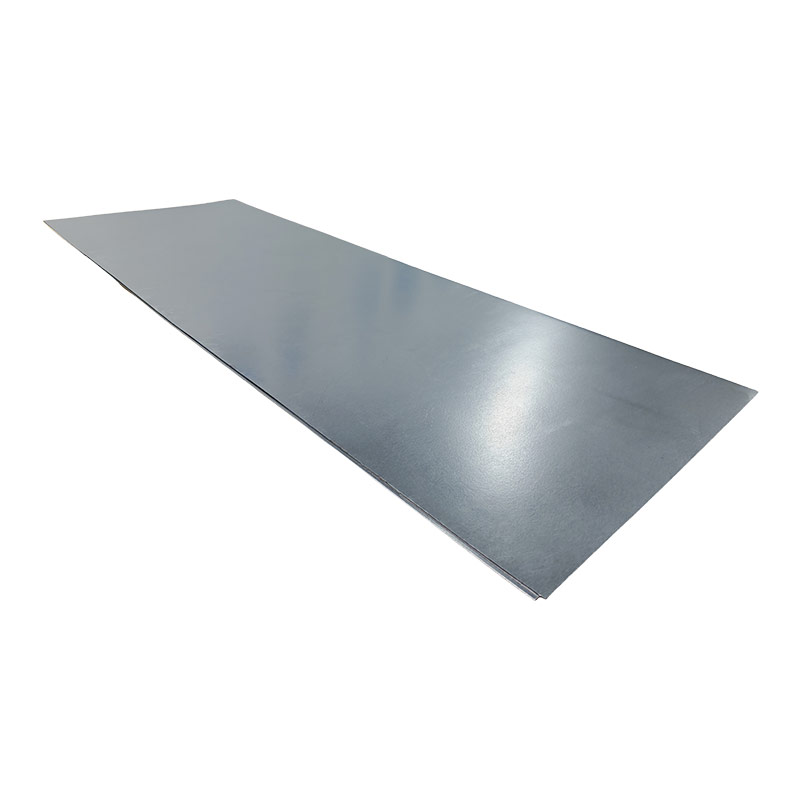
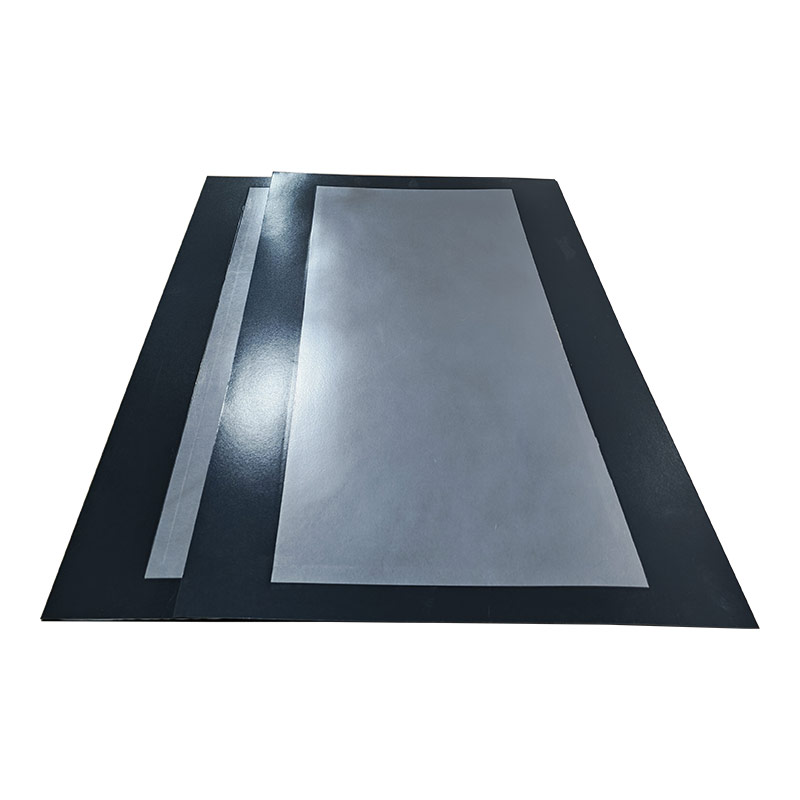
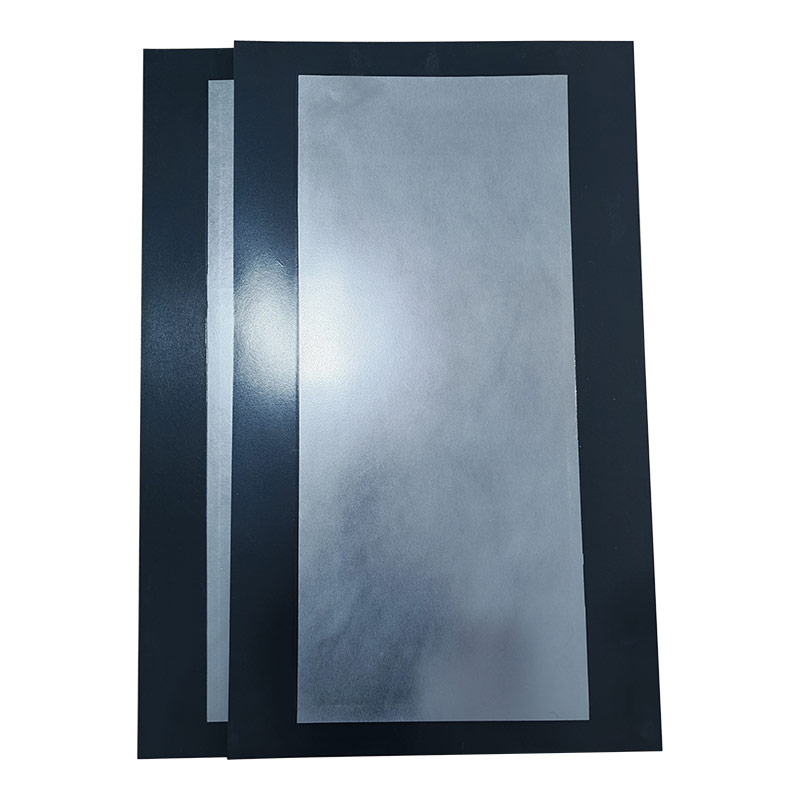
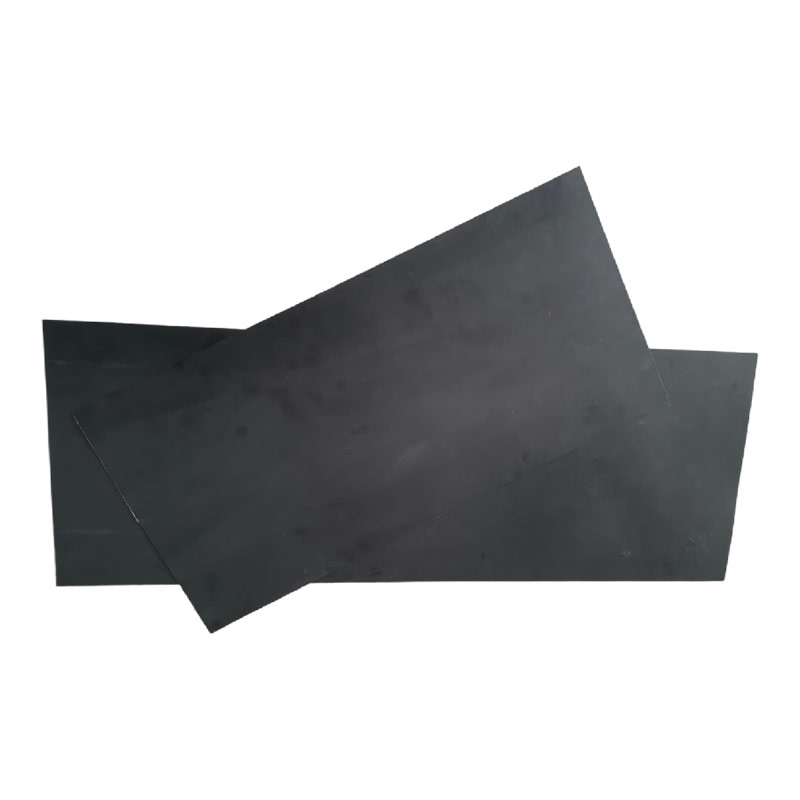
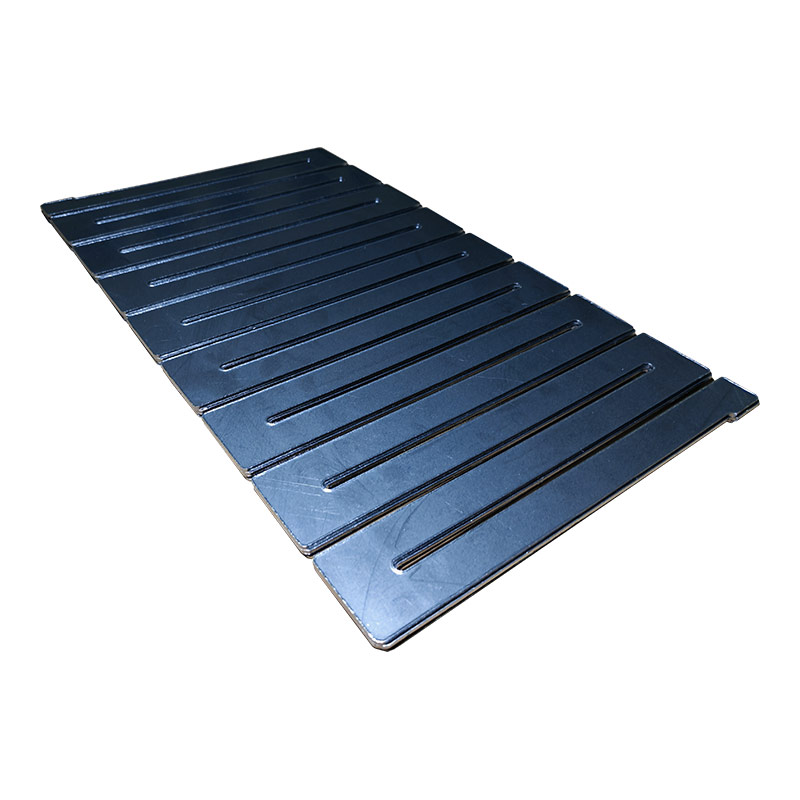
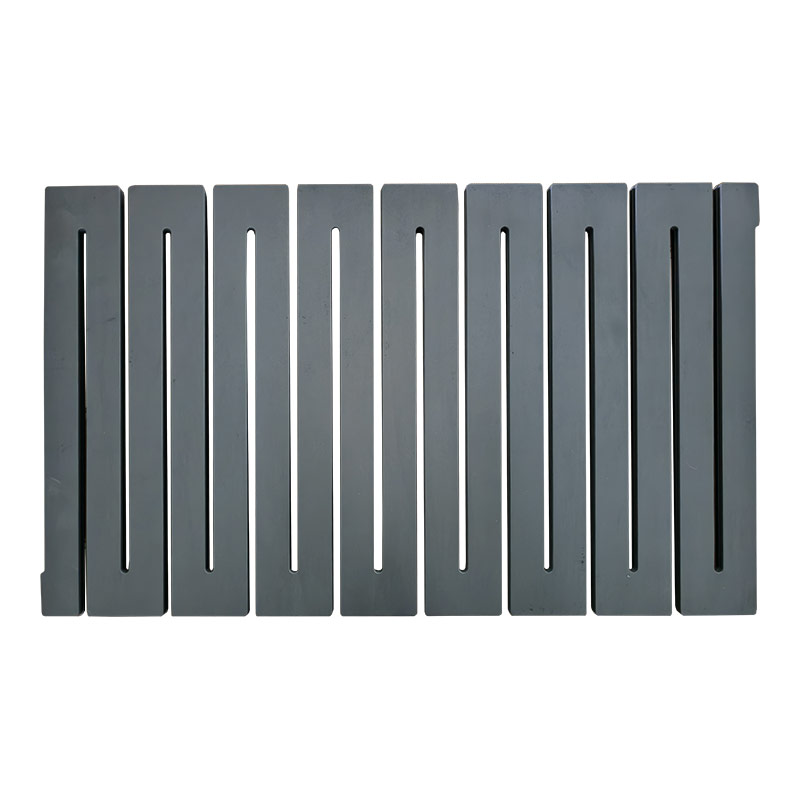
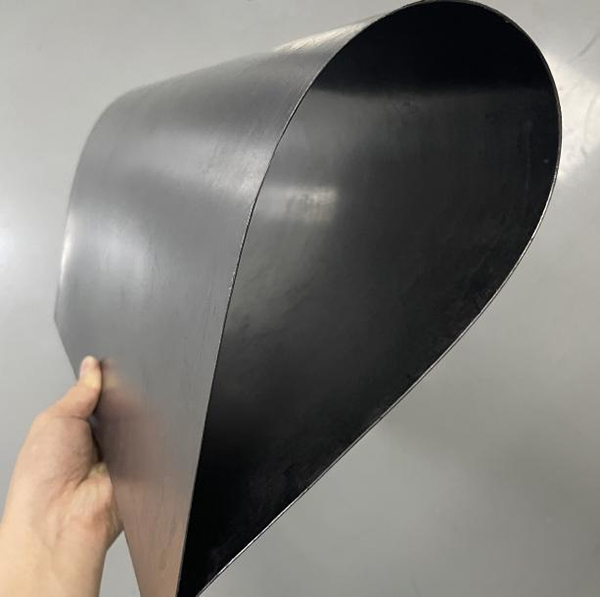
Flexible graphite — also called expanded graphite or exfoliated graphite — is produced by intercalating natural flake graphite with sulfuric or nitric acid, then rapidly heating it to temperatures above 800°C. The thermal shock causes the graphite layers to expand perpendicular to the basal plane by a factor of 200–400×, producing a vermicular, accordion-like structure that can be roll-compressed into dense, self-bonding foil sheets without any polymer binder.
This binder-free composition is a key differentiator. Polymer-bound graphite composites contain 20–40% resin by weight, which reduces conductivity and introduces an organic phase that can degrade under the oxidizing conditions inside a fuel cell. Flexible graphite sheet, by contrast, is 99%+ pure carbon, giving it chemical stability across the full operating pH range of PEM fuel cells and flow batteries, as well as thermal stability to over 450°C in non-oxidizing atmospheres.
Flow Field Formation Methods
The channels that distribute reactant gases across the membrane electrode assembly (MEA) surface can be formed in flexible graphite through several processes:
- Compression molding — the most common method. A machined steel die presses the channel pattern into the flexible graphite sheet under heat and pressure. Cycle times of 1–3 minutes enable moderate production volumes.
- Roll embossing — continuous process using engraved rollers to imprint channel geometry into sheet stock. Suited to high-volume production and consistent cross-section profiles.
- CNC machining — used for prototype and low-volume work where tooling investment for molding is not justified. Slower and more wasteful than molding but offers maximum design flexibility.
A critical manufacturing challenge with flexible graphite is its anisotropic conductivity: in-plane conductivity (parallel to the sheet surface) is substantially higher than through-plane conductivity (perpendicular to the surface). Since current flows through-plane in a fuel cell stack, optimizing compressed density and surface contact resistance is essential. Plates are typically compressed to densities of 1.0–1.3 g/cm³, with higher density improving through-plane conductivity but reducing the compressibility that allows the plate to conform to MEA surface irregularities.
Flexible Graphite Bipolar Plate Market: Size, Growth, and Drivers
The global bipolar plate market was valued at approximately USD 1.2–1.5 billion in 2023 and is projected to grow at a compound annual growth rate (CAGR) of 18–24% through 2030, driven primarily by scaling PEM fuel cell deployment in transportation, stationary power, and hydrogen production via electrolysis. Within this broader market, flexible graphite bipolar plates hold a meaningful share in stationary and backup power segments, where their corrosion resistance, manufacturing simplicity, and absence of costly surface coatings offer a cost advantage over metallic alternatives.
Key Market Drivers
- Hydrogen economy expansion — government hydrogen strategies across the EU (REPowerEU), US (Inflation Reduction Act hydrogen production tax credits), Japan, South Korea, and China are driving fuel cell deployment at a scale that was commercially marginal five years ago. Each megawatt of installed PEM capacity requires hundreds to thousands of bipolar plates.
- Electrolyzer scale-up — PEM electrolyzers for green hydrogen production use bipolar plates with similar material requirements to fuel cells but under different operating conditions (higher voltage, oxygen evolution at the anode). The electrolyzer market is growing faster than the fuel cell market in some projections, creating parallel demand for graphite plate materials.
- Flow battery deployment — vanadium redox flow batteries (VRFBs) and other flow chemistry systems use bipolar plates to separate electrolyte compartments. Flexible graphite's resistance to vanadium electrolyte (highly acidic and oxidizing) makes it a preferred material for long-duration storage applications paired with renewable generation.
- Cost reduction pressure on metallic plates — while stamped metallic plates dominate automotive stacks, their requirement for platinum-group-metal or gold-based corrosion coatings adds cost that manufacturers are working to eliminate. This creates ongoing evaluation of graphite-based alternatives in non-automotive segments where stack power density is less critical.
Regional Landscape
Asia-Pacific — led by China, Japan, and South Korea — holds the largest share of current bipolar plate production capacity, underpinned by vertically integrated fuel cell supply chains. China alone has set national targets for over 50,000 hydrogen fuel cell vehicles by 2025 and is investing heavily in domestic graphite material processing for both bipolar plates and battery anodes. Europe is the fastest-growing market by installed electrolyzer capacity, with projects such as the European Clean Hydrogen Alliance accelerating demand. North America is scaling primarily through stationary power, heavy transport (Hyzon, Nikola, Plug Power), and defense applications.
Key industry participants active in the flexible graphite and graphite composite bipolar plate segment include SGL Carbon, Toray Industries, Dana Incorporated, Schunk Carbon, Mersen, and GrafTech International. Several of these companies are simultaneously material producers and plate fabricators, giving them vertical integration advantages as volumes scale.
Technical Challenges and Development Directions
Despite strong market momentum, flexible graphite bipolar plates face several technical and commercial challenges that are shaping current R&D priorities:
- Gas permeability at low thickness — as designers push plate thickness below 1 mm to reduce stack volume, hydrogen crossover through the graphite sheet becomes a reliability concern. Resin impregnation or thin barrier coatings can mitigate permeability but reintroduce polymer phases that compromise the material's chemical stability advantage.
- Mechanical fragility — flexible graphite sheet is brittle in the through-plane direction and susceptible to delamination under repeated thermal cycling or assembly mishandling. Composite laminates — thin flexible graphite bonded to carbon fiber or polymer backing — are being developed to improve handleability without sacrificing conductivity.
- Through-plane conductivity improvement — achieving through-plane conductivity above 100 S/cm at commercially viable compressed densities remains an active materials science challenge. Oriented graphite nanoplatelet additions and thermal treatment protocols are among the approaches under investigation.
- Scaling manufacturing yield — flow field channel formation by compression molding produces acceptable yields in laboratory settings, but maintaining dimensional tolerances of ±0.05 mm across high-volume production runs requires precision tooling and process control that adds cost at current production scales.
The U.S. Department of Energy's technical targets for bipolar plates set a through-plane electrical resistivity goal of below 10 mΩ·cm² and a corrosion current density below 1 µA/cm² — benchmarks that flexible graphite meets inherently for corrosion but approaches only with careful density and surface treatment optimization for resistivity. Meeting both simultaneously in a sub-1 mm plate at scale is the central engineering challenge for the segment over the next five years.
Bipolar Plates in Flow Batteries and Electrolyzers
While PEM fuel cells command most bipolar plate attention, the component plays an equally critical role in two adjacent electrochemical technologies with substantial market growth trajectories of their own.
Vanadium Redox Flow Batteries
In VRFBs, bipolar plates separate positive and negative half-cells and must withstand continuous exposure to vanadium pentoxide in sulfuric acid — one of the more chemically aggressive electrolytes in commercial energy storage. Flexible graphite and carbon-polymer composites both perform well here, with flexible graphite favored for its absence of polymer phases that vanadium can oxidatively degrade. VRFB deployments for grid-scale long-duration energy storage (4–12 hour discharge) represent a growing bipolar plate demand stream that is largely independent of the hydrogen economy, providing market diversification for graphite plate producers.
PEM Electrolyzers
PEM electrolyzers split water into hydrogen and oxygen under applied voltage, operating at higher current densities (2–3 A/cm²) and higher anode potentials than fuel cells. The oxygen evolution environment at the anode is highly oxidizing, which eliminates most graphite-based plates on the anode side — titanium with platinum or iridium coatings is currently standard. However, the cathode side (hydrogen evolution) is more benign, and graphite-based plates are used in cathode-side applications in some designs. As electrolyzer manufacturers seek cost reduction, cathode-side graphite plates are a live commercial opportunity, particularly for megawatt-scale installations where material cost per unit area is significant.