


 English
  中文简体
中文简体
Content
- 1 What Carbon Black Powder Is and How Particle Size Defines Its Use
- 2 Rubber Reinforcement: The Largest Volume Application
- 3 Pigment and Coloring Grades for Plastics, Inks, and Coatings
- 4 Conductive and Specialty Grades for Electronics and Energy
- 5 Handling, Storage, and Quality Considerations for Bulk Purchasing
What Carbon Black Powder Is and How Particle Size Defines Its Use
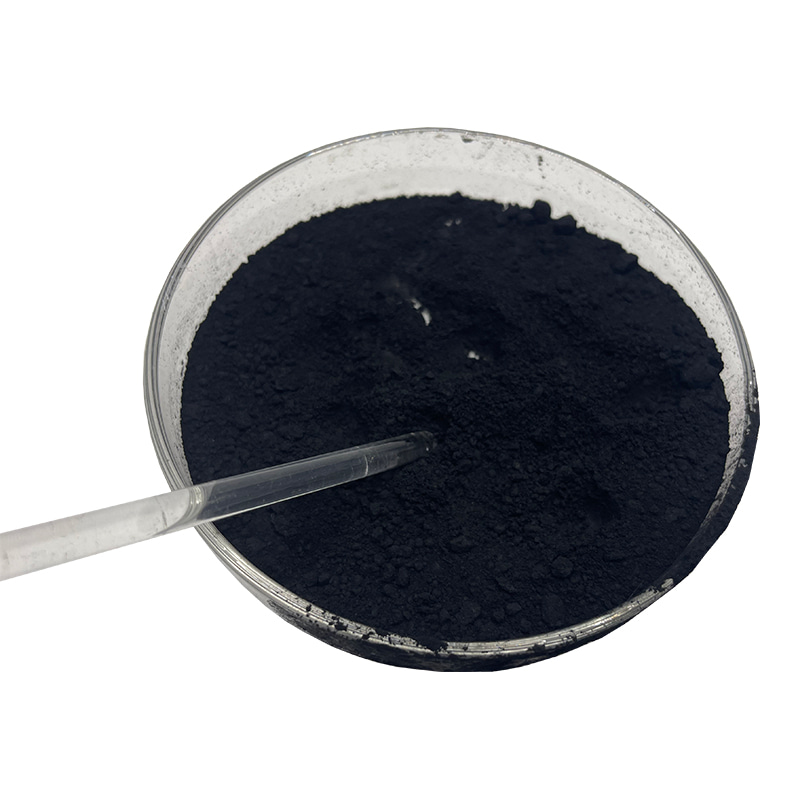
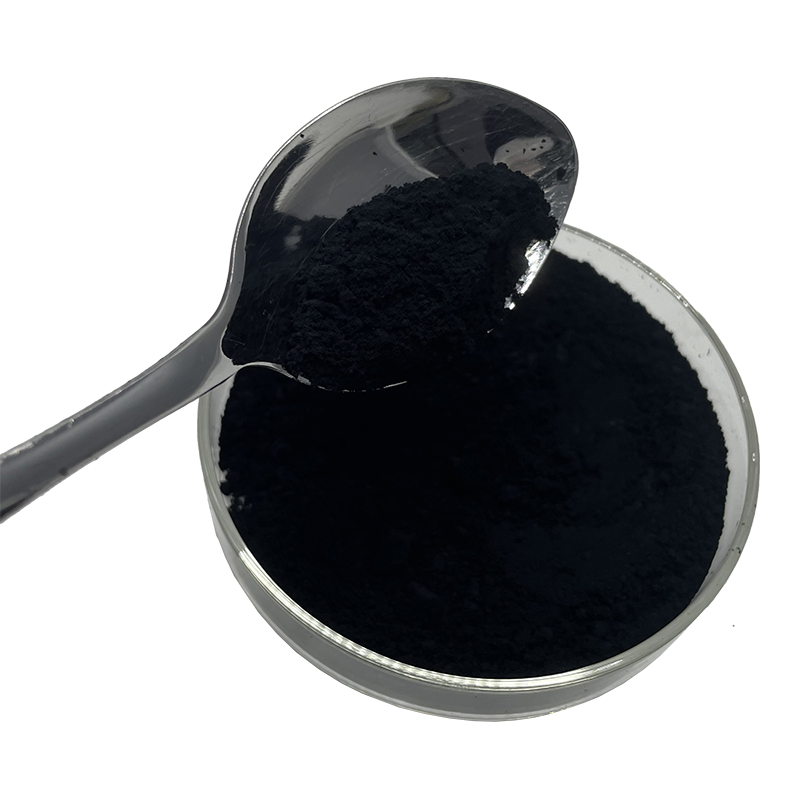
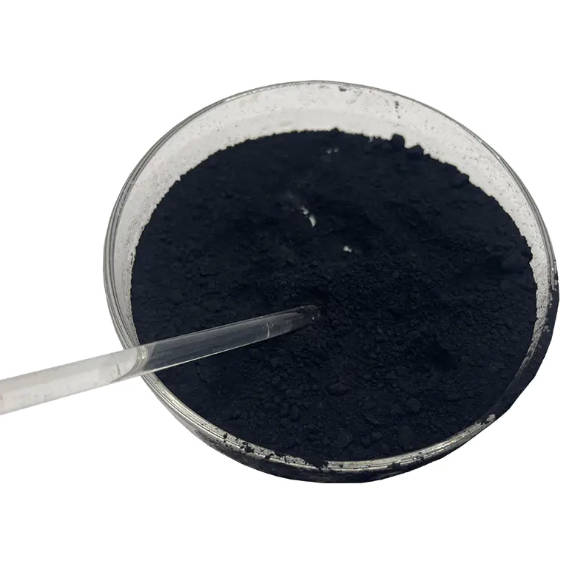
Carbon black powder is a finely divided form of nearly pure elemental carbon produced through the incomplete combustion or thermal decomposition of hydrocarbon feedstocks such as coal tar, ethylene cracking residue, or natural gas. It differs fundamentally from soot in that its production is tightly controlled to yield consistent particle size, structure, and surface chemistry, which is what makes it useful as an industrial material rather than a combustion byproduct.
Particle size is the single largest factor determining application fit, with primary particle diameters ranging from roughly 10 nanometers to over 300 nanometers depending on grade. Finer particles, typically under 30nm, deliver higher tinting strength and are favored in inks and coatings where color intensity per unit weight matters, while coarser grades in the 60-100nm range are more common in rubber compounding, where reinforcement and abrasion resistance take priority over jetness.
Structure, referring to how primary particles fuse into branched aggregates, also shapes performance. High-structure carbon black increases compound viscosity and electrical conductivity at lower loading levels, which is why conductive grades used in antistatic packaging or battery electrodes are selected specifically for their aggregate morphology rather than particle size alone.
Rubber Reinforcement: The Largest Volume Application
Roughly 70% of global carbon black production goes into rubber compounding, primarily for tires, where it reinforces the polymer matrix and dramatically improves tensile strength, tear resistance, and abrasion resistance compared to unfilled rubber. A typical passenger tire tread compound contains carbon black at loadings of 25-35 phr (parts per hundred rubber), directly influencing rolling resistance and wear life.
Different tire zones call for different grades. Tread compounds generally use higher-reinforcing grades such as N220 or N234 for wear resistance, while sidewall compounds often specify N330 or N550 grades that prioritize flex fatigue resistance and weathering stability over raw hardness. Selecting the wrong grade for a given compound can shorten tire service life or compromise handling characteristics.
Beyond tires, carbon black reinforces industrial rubber goods including conveyor belts, hoses, seals, and gaskets, where its role shifts toward improving cut and chip resistance under repeated mechanical stress. Compounders in these segments often favor mid-structure grades that balance processability with the mechanical durability required for continuous industrial use.
Pigment and Coloring Grades for Plastics, Inks, and Coatings
Pigment-grade carbon black is engineered for color performance rather than mechanical reinforcement, with key metrics being jetness (depth of black), tint strength, and dispersibility. High-color furnace blacks with particle sizes under 20nm achieve the deep, blue-black tone preferred in premium printing inks and automotive coatings, where even small variations in undertone are visible to the eye.
In plastics, carbon black serves a dual role as both colorant and UV stabilizer. Polyethylene pipe and cable jacketing commonly incorporate 2-2.5% carbon black loading specifically because it absorbs UV radiation and prevents polymer chain degradation, extending outdoor service life by a factor that can exceed 15-20 years compared to unprotected resin under sustained sun exposure.
| Grade Type | Typical Particle Size | Primary Use |
|---|---|---|
| High-color pigment black | 10-20nm | Inks, premium coatings |
| UV-stabilizing black | 20-30nm | Pipe, cable jacketing |
| Reinforcing rubber black | 60-100nm | Tires, industrial rubber |
Conductive and Specialty Grades for Electronics and Energy
Conductive carbon black, characterized by high structure and high surface area, is engineered to form continuous conductive networks within a polymer or coating matrix at relatively low loading levels, often between 5-15% by weight depending on the resin system. This property makes it a standard additive in antistatic packaging films, EMI shielding compounds, and conductive coatings used in electronics manufacturing environments.
In lithium-ion battery production, conductive carbon black serves as a critical additive in both cathode and anode formulations, creating electron pathways between active material particles and the current collector. Battery-grade carbon black typically requires tighter purity specifications, particularly lower sulfur and ash content, since trace impurities can degrade cell performance and cycle life over the battery's operational lifespan.
Specialty grades also extend to printing toner, where carbon black provides both color and the electrostatic charge characteristics needed for consistent transfer in laser printing systems. These grades are typically surface-treated to control resistivity precisely, since even minor batch-to-batch variation can produce visible print density inconsistencies.
Handling, Storage, and Quality Considerations for Bulk Purchasing
Carbon black powder presents dust management challenges in bulk handling due to its extremely fine particle size and low bulk density, which can range from 0.15 to 0.5 g/cm³ depending on grade. Facilities handling large volumes typically require enclosed pneumatic conveying systems and appropriate dust collection to manage both housekeeping and combustible dust safety requirements, since carbon black dust clouds can present an explosion risk under certain concentration and ignition conditions.
Moisture content is a key quality parameter buyers should verify before large-volume purchasing, as excess moisture can cause caking in storage and inconsistent dispersion during compounding. Reputable suppliers typically specify moisture content below 1% for standard industrial grades, along with ash content, pH, and iodine adsorption number as core specification parameters on a certificate of analysis.
Pelletized carbon black, produced by lightly binding powder into small beads, is increasingly preferred over loose powder for bulk transport and automated dosing systems because it reduces dust generation and improves flow characteristics in production environments. Buyers sourcing for high-throughput compounding lines should weigh the handling benefits of pelletized product against the powder form's typically lower cost and faster dispersion in certain wet-mixing processes.