


 English
  中文简体
中文简体
Content
- 1 What Sets Viscose-Based Graphite Felt Apart from Other Carbon Felts
- 2 Density and Purity: The Two Specs That Actually Predict Performance
- 3 Thermal Performance in Real Furnace Conditions
- 4 Comparing Viscose-Based, PAN-Based, and Pitch-Based Graphite Felt
- 5 Handling, Cutting, and Installation Considerations
What Sets Viscose-Based Graphite Felt Apart from Other Carbon Felts
Viscose-based graphite felt starts as viscose rayon fiber that's carbonized and then graphitized at temperatures above 2000°C, which produces a higher degree of crystalline graphite structure than PAN-based (polyacrylonitrile) felts typically achieve. That higher graphitization level gives viscose-based felt better thermal conductivity along the fiber axis and lower ash content after processing, both of which matter directly in vacuum furnace insulation where outgassing and contamination control are critical.
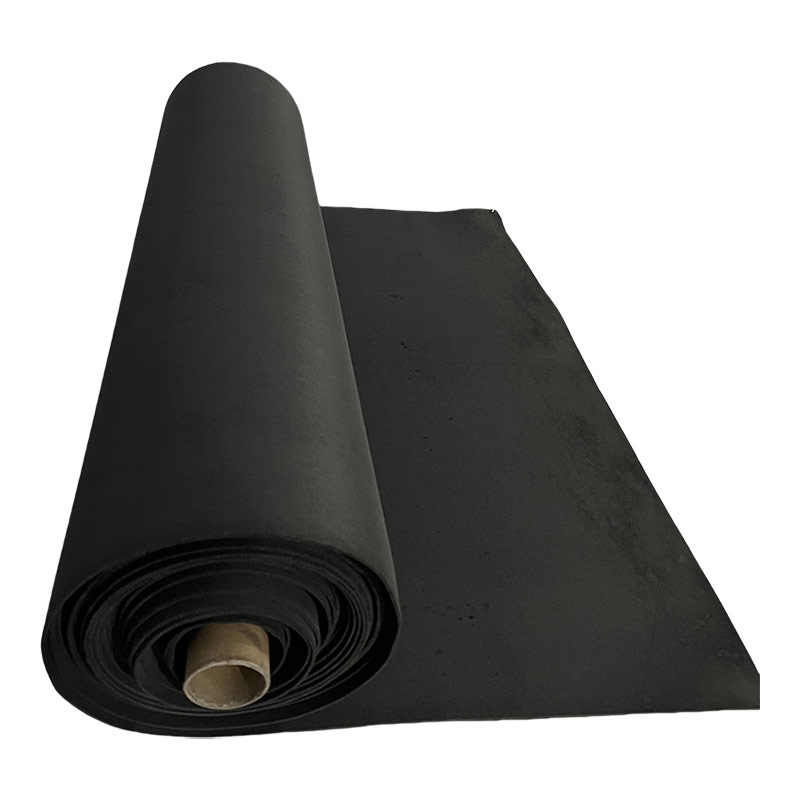
The fiber itself also behaves differently under mechanical stress. Viscose-based felt tends to be softer and more flexible than pitch-based graphite felt, making it easier to cut and shape around curved furnace walls or crucible linings without cracking. Pitch-based felt, by contrast, generally offers higher bulk density and compressive strength but is more brittle, which limits its use in tight-radius or multi-layer insulation packages.
The manufacturing route also affects fiber diameter consistency. Because viscose rayon is a regenerated cellulose fiber spun through a controlled wet-spinning process before carbonization, the resulting graphite fiber tends to have a more uniform diameter along its length than fibers derived from pitch, which can vary more due to differences in the melt-spinning process. This uniformity translates into more predictable porosity and, in turn, more consistent insulation performance from batch to batch — a detail that matters for furnace builders trying to hold tight thermal tolerances across a production run.
Density and Purity: The Two Specs That Actually Predict Performance
Bulk density, usually specified between 0.09 and 0.20 g/cm³, is the single number that most affects both insulation value and mechanical durability. Lower-density felt insulates better because it traps more still air within the fiber matrix, but it also compresses more easily under repeated furnace loading and unloading, which shortens service life in high-cycle production environments. Higher-density felt sacrifices some thermal efficiency for a longer usable lifespan in furnaces that run continuously at high temperature.
Ash content and purity level matter just as much in applications like sapphire crystal growth or silicon ingot production, where even trace metallic impurities can contaminate the melt. High-purity viscose-based felt, graphitized and purified to reduce ash content below 0.1%, costs more than standard industrial grades but avoids the yield losses that come from impurity-related defects in semiconductor and photovoltaic manufacturing. Sulfur and iron content are often specified separately from total ash, since these two elements are the most common contributors to melt contamination in single-crystal silicon growth.
Resistivity is a third, less commonly discussed spec that still affects performance in resistance-heated furnaces. Felt with lower electrical resistivity can behave more like a parasitic conductive path if it's positioned too close to the heating element, so furnace designers often specify a minimum resistivity range alongside density and ash content when the felt sits directly adjacent to graphite heating elements rather than acting purely as a passive outer insulation layer.
- Standard grade: General furnace insulation, non-critical thermal barriers
- High-purity grade: Crystal growth, semiconductor and photovoltaic furnaces
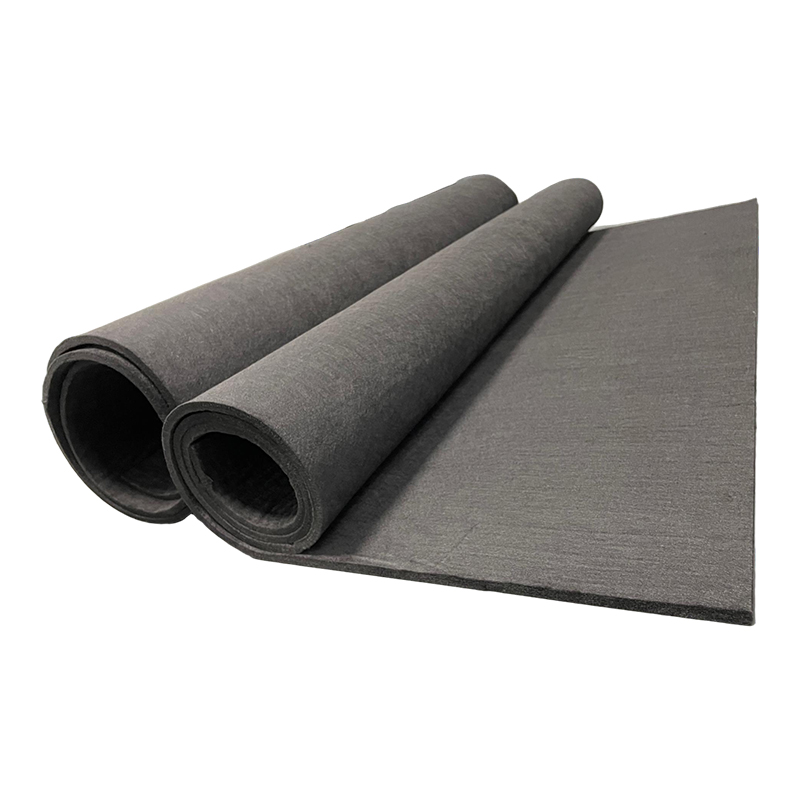
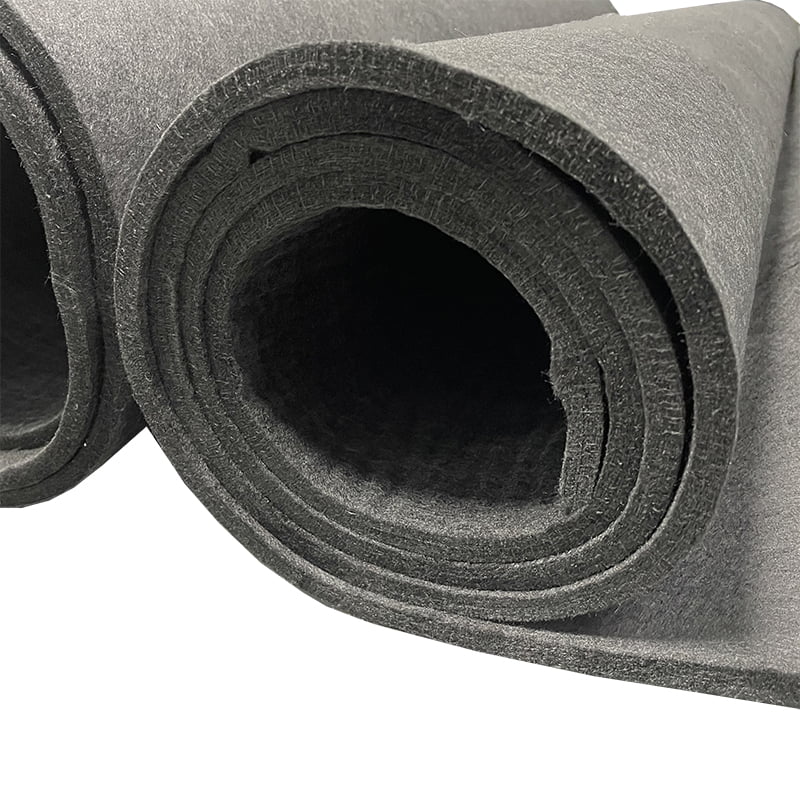
- Rigid/laminated board form: Structural hot-zone components, crucible supports
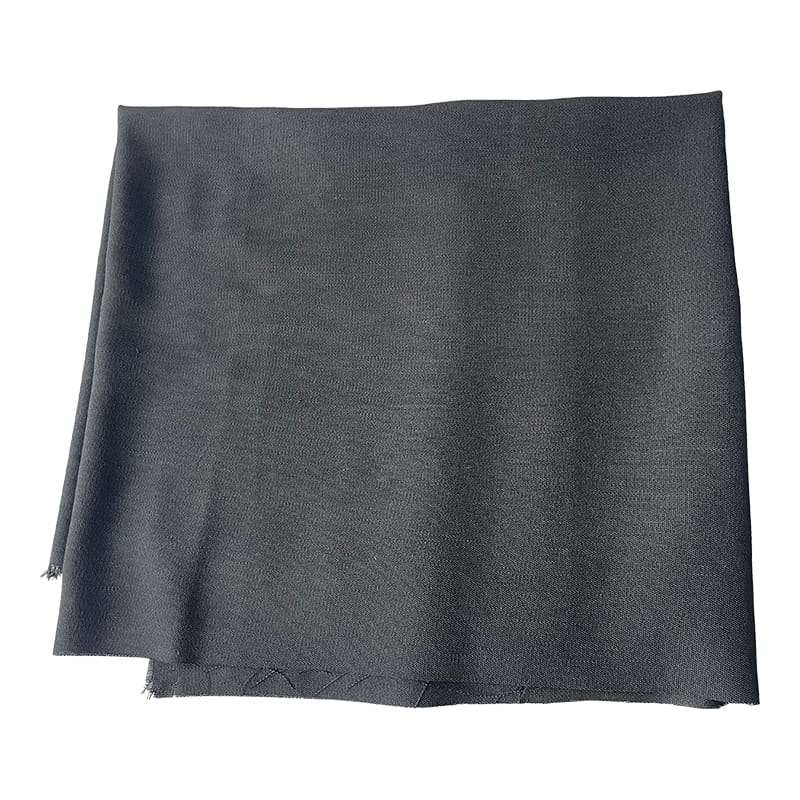
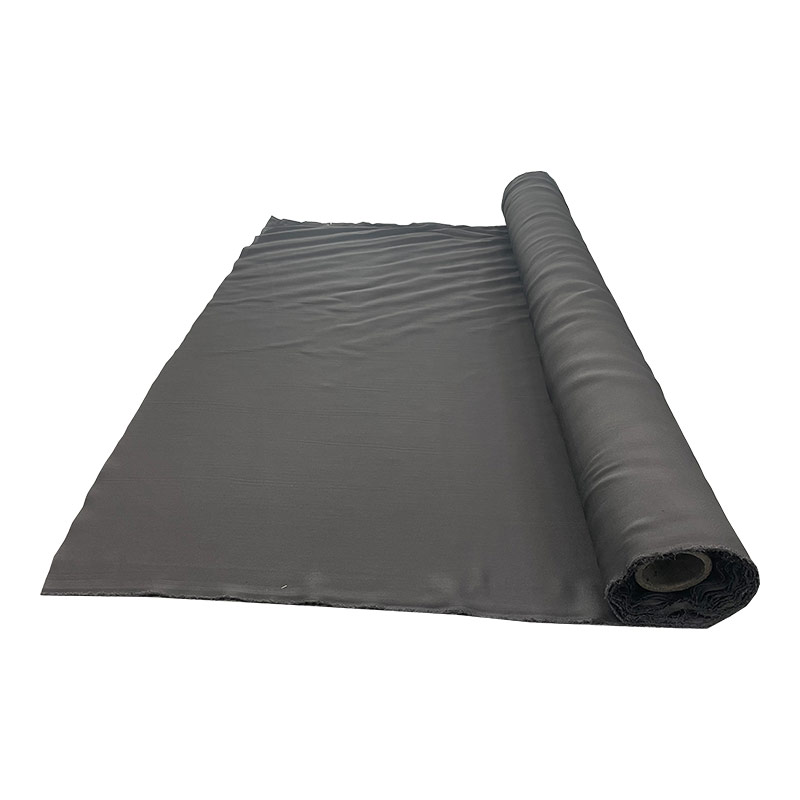
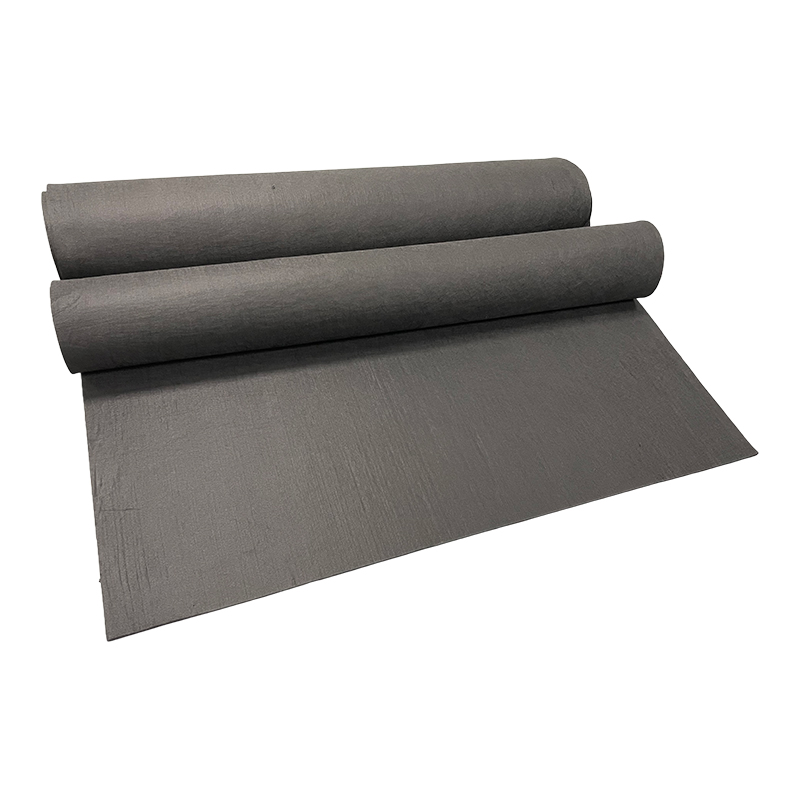
- Soft felt roll form: Wraparound insulation, gap filling around irregular shapes
Thermal Performance in Real Furnace Conditions
Graphite felt made from viscose precursor typically holds stable thermal conductivity up to around 3000°C in inert or vacuum atmospheres, well beyond the working range of most refractory ceramics used for the same purpose. This stability under extreme heat, combined with low thermal mass, allows furnace hot zones to reach target temperature faster and cool down more quickly between production cycles, which shortens overall cycle time in batch processing.
Oxidation resistance is the main limiting factor rather than raw temperature tolerance. In an oxygen-present environment, graphite felt begins to oxidize noticeably above roughly 400-450°C, so its use is almost always restricted to vacuum, inert gas, or reducing atmospheres. Furnace designs that maintain a stable argon or nitrogen purge around the felt insulation avoid this degradation entirely and can run the material near its full temperature rating for years without significant mass loss.
Thermal shrinkage after repeated high-temperature cycling is another factor that affects long-term insulation value. Viscose-based felt that has been properly stabilized during graphitization typically shows lower post-shrinkage rates than under-processed material, meaning the insulation layer maintains its thickness and density more consistently across hundreds of heating and cooling cycles. Felt with poor dimensional stability can shrink several percent after the first few thermal cycles, opening gaps at seams that let heat escape and forcing furnace operators to compensate with higher power draw.
Comparing Viscose-Based, PAN-Based, and Pitch-Based Graphite Felt
Precursor fiber choice shapes nearly every downstream property of the finished felt. Furnace builders typically select between the three main precursor types based on which properties matter most for a given application — flexibility and purity, mechanical strength, or raw cost.
| Precursor | Key Advantage | Limitation |
|---|---|---|
| Viscose-based | High purity, flexible, uniform fiber | Lower compressive strength |
| PAN-based | Higher mechanical strength | Lower graphitization degree, higher cost |
| Pitch-based | High bulk density, low raw material cost | Brittle, harder to shape |
Comparison of graphite felt precursor types by advantage and limitation.
Handling, Cutting, and Installation Considerations
Graphite fiber dust generated during cutting is electrically conductive and can cause short circuits if it settles on nearby electrical equipment or control panels, so cutting is generally done with local dust extraction and, where possible, outside the immediate vicinity of sensitive electronics. A sharp blade or laser cutting method produces cleaner edges with less loose fiber shedding than tearing or using a dull blade, which matters for maintaining a consistent insulation gap in the finished hot zone.
Layering multiple thinner sheets of felt, rather than using a single thick layer, generally improves overall insulation performance because each layer boundary adds a small additional thermal resistance. This approach also makes it easier to replace only the innermost layer once it shows the most wear from direct heat exposure, extending the usable life of the outer layers that see less thermal stress.
Storage conditions before installation also affect performance, since graphite felt readily absorbs ambient moisture if left unsealed in humid environments. Moisture trapped in the fiber matrix converts to steam during the first furnace heat-up, which can cause localized outgassing spikes that disrupt vacuum stability or, in severe cases, contaminate a sensitive crystal growth process. Keeping felt sealed in its original packaging until immediately before installation, and pre-baking it under vacuum if it has been exposed to humid storage for an extended period, avoids this issue.