


 English
  中文简体
中文简体
Content
- 1 What Is Carbon Graphite Felt
- 2 Carbon Felt vs. Graphite Felt: Key Differences
- 3 PAN vs. Rayon Graphite Felt: Precursor Materials
- 4 Rigid vs. Soft Graphite Felt
- 5 High Purity Graphite Felt
- 6 High Temperature Performance and Thermal Conductivity
- 7 Graphite Felt Insulation for Vacuum Furnaces
- 8 Vacuum Furnace Insulation Materials: Where Graphite Felt Fits
- 9 Graphite Felt Applications
What Is Carbon Graphite Felt
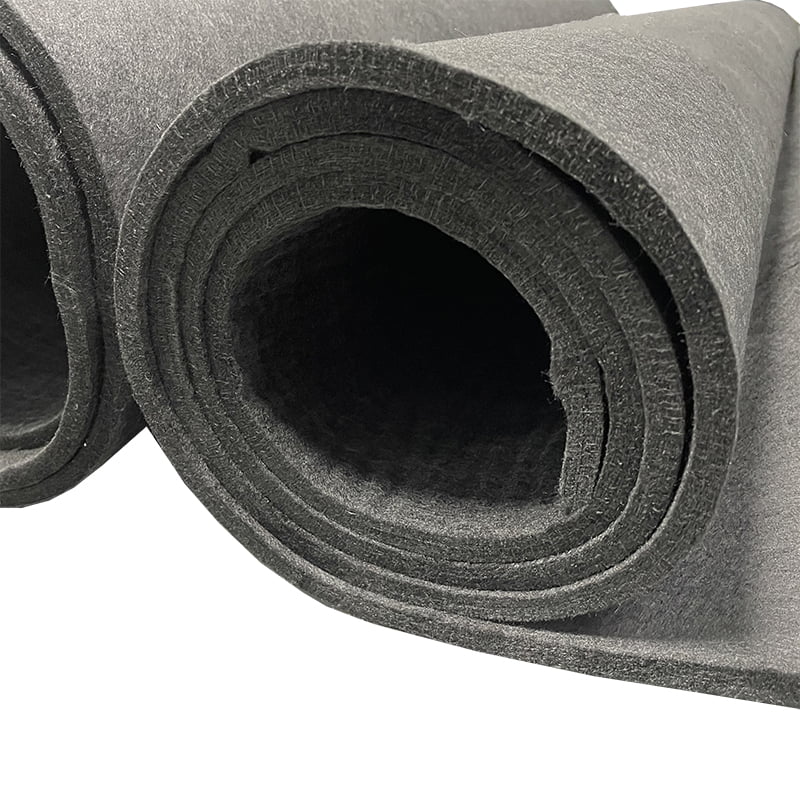
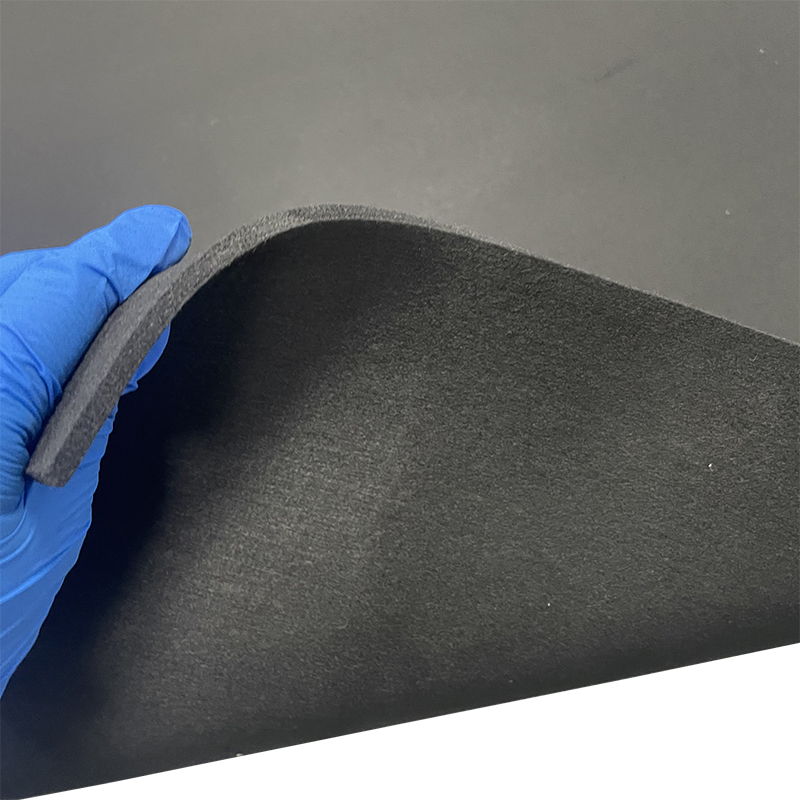
Carbon graphite felt is a lightweight, porous thermal insulation material made from carbon fibers processed into a non-woven felt structure, then further heat-treated to convert the carbon into a more ordered graphite crystal structure. The felt's fibrous, air-trapping construction is what makes it such an effective insulator at extreme temperatures — the same low-density, high-porosity structure that makes conventional insulation materials work at room temperature, but built from a material stable enough to survive environments where organic and even most mineral insulation materials would break down entirely.
The broader category is sometimes referred to as carbon fiber felt insulation, which technically spans both the carbonized (carbon) and graphitized (graphite) versions of the material — the distinction between these two processing stages is significant enough that it's worth understanding on its own, covered in the next section, since it directly affects both performance and price.
Carbon Felt vs. Graphite Felt: Key Differences
The comparison of carbon felt vs graphite felt comes down to how far the fiber's heat treatment process was carried. Both start from the same precursor fiber and go through an initial carbonization step, typically around 1000-1600°C, which drives off non-carbon elements and leaves a carbon-rich fiber structure. Carbon felt is the product at this stage.
| Factor | Carbon Felt | Graphite Felt |
|---|---|---|
| Processing temperature | Carbonized around 1000-1600°C | Further graphitized above 2000°C, often up to 3000°C |
| Crystal structure | Amorphous, disordered carbon | More ordered graphitic crystal structure |
| Maximum use temperature | Lower | Higher, suited to more extreme thermal environments |
| Cost | Lower | Higher, due to the additional high-temperature processing step |
In practice, graphite felt is the more commonly specified material for the most demanding high-temperature industrial applications, since its higher graphitization pushes both maximum service temperature and thermal stability meaningfully beyond what carbon felt can reliably handle — carbon felt remains a viable, lower-cost option for applications that don't push into the most extreme temperature ranges where graphite felt's added processing cost is harder to justify.
PAN vs. Rayon Graphite Felt: Precursor Materials
Graphite felt's properties trace back further than just processing temperature — the starting fiber, or precursor, also plays a significant role. PAN graphite felt starts from polyacrylonitrile fiber, the same precursor widely used in high-performance carbon fiber production, and generally yields felt with higher mechanical strength and better structural integrity, making it a common choice where the felt needs to hold its shape and resist mechanical stress during handling and installation.
Rayon graphite felt uses rayon (a cellulose-based fiber) as its precursor instead, and tends to produce a felt with a different pore structure and generally lower cost than PAN-based material, though often at the expense of some mechanical strength compared to PAN-derived felt. Rayon-based felt has a long history in the industry as one of the earlier precursor materials used for carbon and graphite felt production, and remains in use today particularly where cost is a bigger driver than maximum mechanical robustness.
Choosing between precursor types isn't purely about cost, though — different precursor chemistries also affect the felt's ash content and impurity profile after processing, which matters significantly for applications sensitive to contamination, covered further in the high-purity section below.
Rigid vs. Soft Graphite Felt
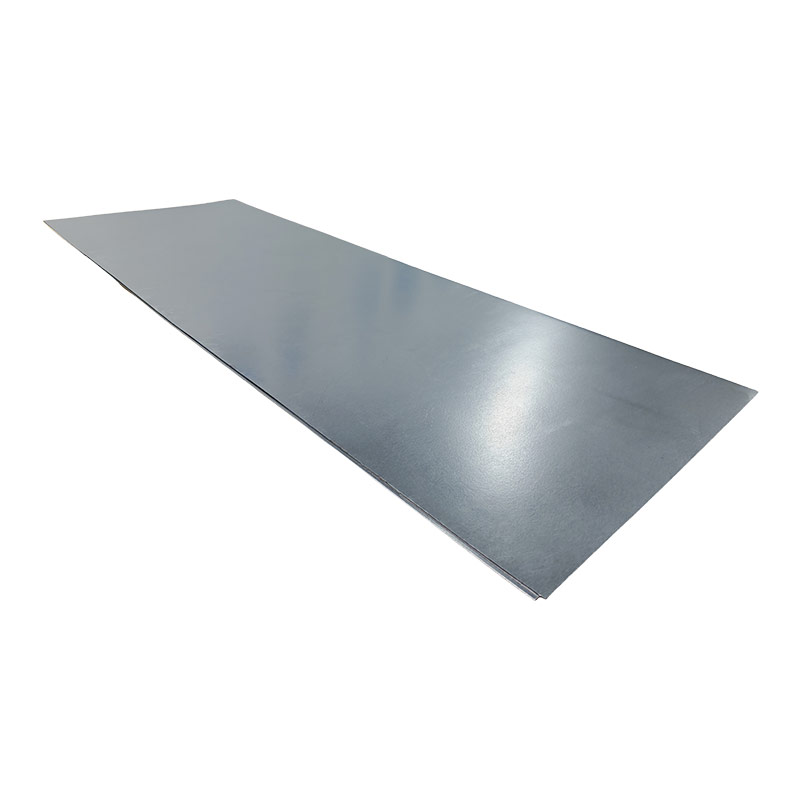
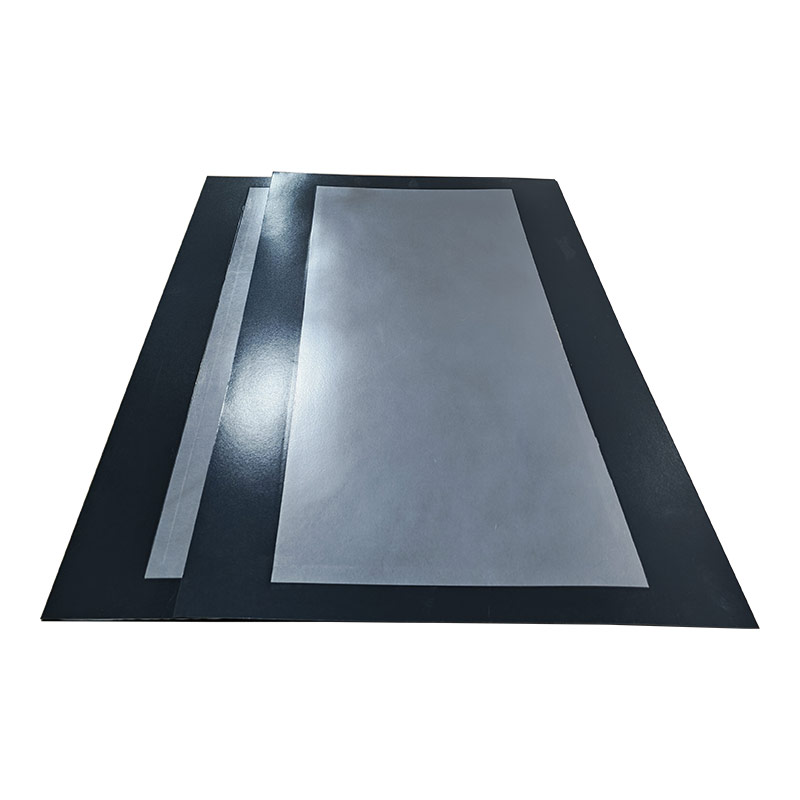
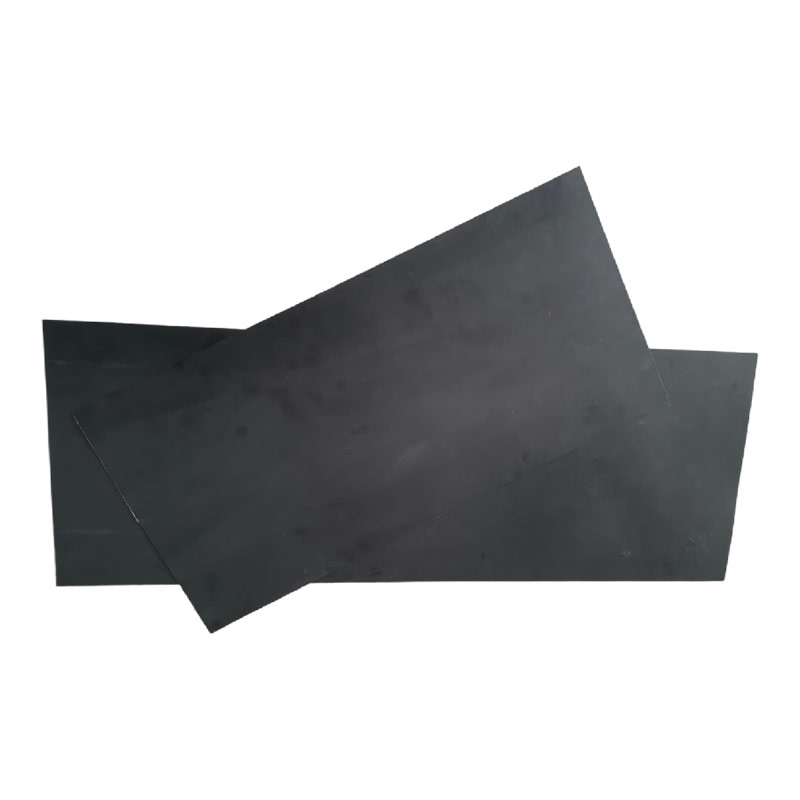
Beyond precursor and processing temperature, graphite felt is also produced in different physical forms suited to different installation methods. Rigid graphite felt is bonded or processed into a self-supporting board or panel form that holds its shape without external support, making it easier to install as structural insulation panels that don't require a separate frame or backing to stay in place within a furnace hot zone.
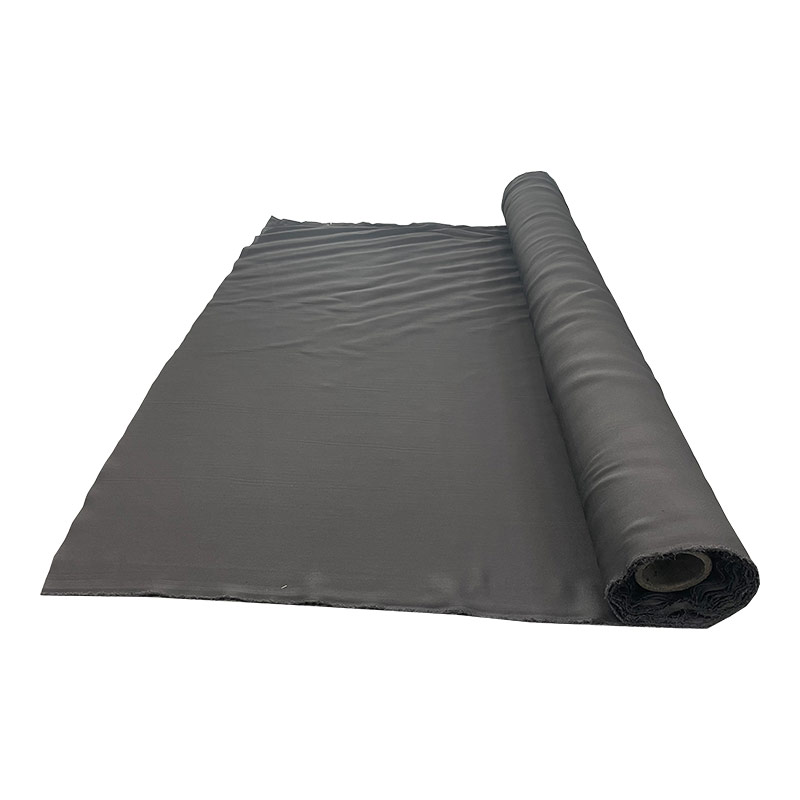
Soft graphite felt, by contrast, remains flexible and conformable, similar in handling characteristics to a thick blanket material, which makes it better suited to wrapping irregular shapes, filling gaps between rigid components, or lining curved furnace geometries where a rigid panel wouldn't conform properly to the surface. Many furnace insulation designs actually combine both forms — rigid felt for the main structural insulation layers and soft felt for gap-filling and sealing around penetrations, doors, or irregular fixtures — rather than relying on a single form throughout the entire insulation package.
High Purity Graphite Felt
High purity graphite felt refers to material processed and, in many cases, further purified to remove trace metallic and mineral impurities left over from the precursor fiber and manufacturing process. Purity matters because trace contaminants — even at very low concentrations — can volatilize at extreme processing temperatures and contaminate whatever material is being processed inside the furnace, which is a critical concern in applications like semiconductor crystal growth or high-purity metal processing, where even minor contamination can compromise the entire batch.
Purification typically involves additional high-temperature treatment in a controlled atmosphere or halogen gas purification step specifically designed to volatilize and remove residual impurities beyond what standard graphitization alone achieves. This additional processing adds cost, which is why high-purity grades are generally reserved for applications where contamination sensitivity genuinely justifies the premium, rather than being used as a default across all graphite felt applications regardless of purity requirements.
High Temperature Performance and Thermal Conductivity
What makes high temperature graphite felt genuinely useful as insulation isn't just its ability to survive extreme heat without degrading — it's the combination of that thermal stability with deliberately low graphite felt thermal conductivity. The felt's porous, fibrous structure traps gas (or vacuum, in vacuum furnace applications) between fibers, and since gas conducts heat far less effectively than solid graphite, this trapped-air structure is what actually provides the insulating effect rather than the graphite fiber material's own thermal conductivity, which is actually relatively high in the fiber direction.
This distinction matters for understanding felt performance: a solid block of graphite would be a poor insulator due to graphite's inherently good thermal conductivity along its crystal planes, but the felt's low-density, fibrous architecture disrupts continuous heat conduction paths through the material, achieving effective insulation despite being made from a material that isn't naturally a good insulator in solid form. Felt density and fiber orientation both affect the final thermal conductivity value, which is why manufacturers typically publish density-specific conductivity figures rather than a single blanket number across all felt grades.
Graphite Felt Insulation for Vacuum Furnaces
Vacuum furnaces represent one of the largest and most demanding application areas for graphite felt insulation. In this setting, graphite felt for vacuum furnace use serves as the primary hot-zone insulation lining, surrounding the heating elements and work chamber to minimize heat loss to the furnace's outer shell while withstanding direct exposure to process temperatures that can exceed 2000°C in demanding applications like sintering or crystal growth.
A vacuum environment is actually favorable for graphite felt in one specific way — with no oxygen present, graphite (which oxidizes and degrades at elevated temperatures in the presence of air) can be used safely at temperatures that would cause rapid oxidative degradation in an ambient-air furnace. This is a major reason graphite-based graphite felt insulation for furnaces and graphite furnace insulation systems are so strongly associated specifically with vacuum and inert-atmosphere furnace designs rather than furnaces operating in open air, where a different insulation material resistant to oxidation would typically be required instead.
Vacuum Furnace Insulation Materials: Where Graphite Felt Fits
Graphite felt is one of several vacuum furnace insulation materials used across different temperature ranges and furnace designs, and it's worth understanding where it fits relative to alternatives. Ceramic fiber insulation and rigid ceramic board materials handle lower-to-moderate temperature ranges at a generally lower cost than graphite felt, and remain common in furnace zones that don't reach graphite felt's upper temperature advantage.
Molybdenum and other refractory metal heat shields are sometimes used as an alternative or complement to felt insulation in certain vacuum furnace designs, offering excellent reflective insulation performance but at a significantly higher material cost than graphite felt for equivalent insulating coverage. In practice, graphite felt tends to dominate the highest-temperature vacuum and inert-atmosphere furnace applications specifically because of its combination of extreme temperature tolerance, relatively low cost per unit of insulating coverage, and compatibility with the carbon-rich, oxygen-free environments common in these furnace types.
Graphite Felt Applications
Beyond vacuum furnace hot-zone insulation, graphite felt applications extend across a range of high-temperature industrial processes:
- Crystal growth furnaces — insulating the hot zone in silicon, sapphire, and other single-crystal growth processes, where both thermal stability and purity are critical.
- Sintering furnaces — insulating hot zones in powder metallurgy and advanced ceramics sintering processes that run at extreme temperatures.
- Graphitization furnaces — used within the very process (extreme high-temperature furnaces) that produces graphite felt and other graphite materials in the first place.
- Battery material processing — insulating furnaces used in the production and processing of battery-grade graphite and other electrode materials.
- Vanadium redox flow battery electrodes — a distinct, non-insulation application where carbon/graphite felt itself serves as the electrode material rather than as thermal insulation.
This range illustrates a useful distinction: most graphite felt use cases involve it functioning purely as thermal insulation, but a smaller set of applications — like flow battery electrodes — use the felt's porous, conductive fiber structure for an entirely different functional purpose, which is worth being aware of since "graphite felt" as a search term can sometimes surface results relevant to electrode applications rather than insulation specifically.