


 English
  中文简体
中文简体
Content
- 1 What Carbon Fiber Materials Actually Are — and Why Grade Matters More Than Brand
- 2 Carbon Fiber Fabrication Methods: Processes, Trade-offs, and When to Use Each
- 3 Prepreg Carbon Fiber: Material Forms, Storage, and Processing Requirements
- 4 Resin Systems for Carbon Fiber Composites: Epoxy, BMI, PEEK, and Beyond
- 5 Carbon Fiber in Industrial and Structural Applications: Performance Benchmarks
What Carbon Fiber Materials Actually Are — and Why Grade Matters More Than Brand
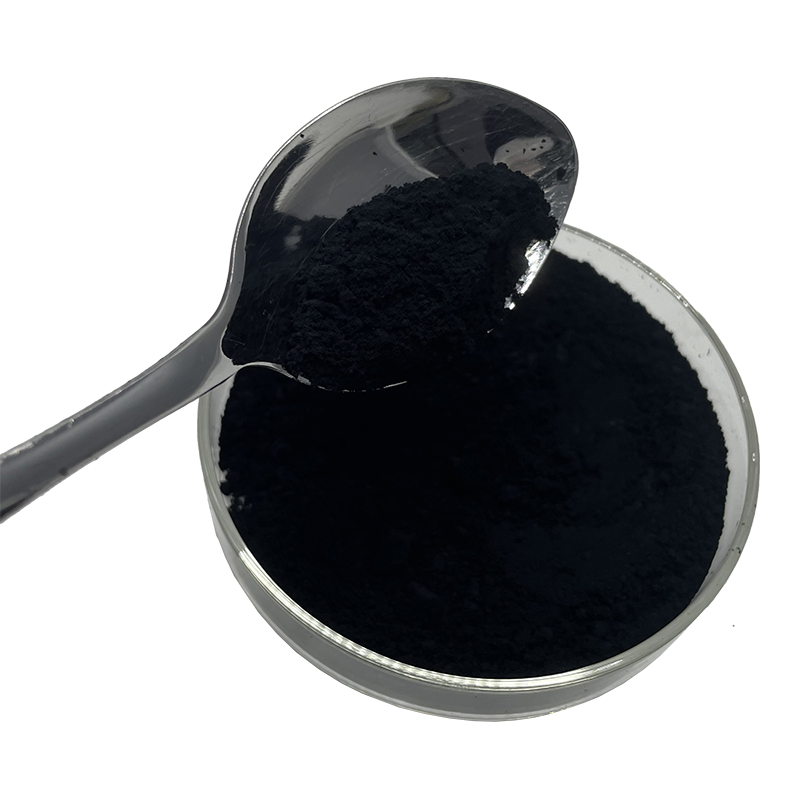
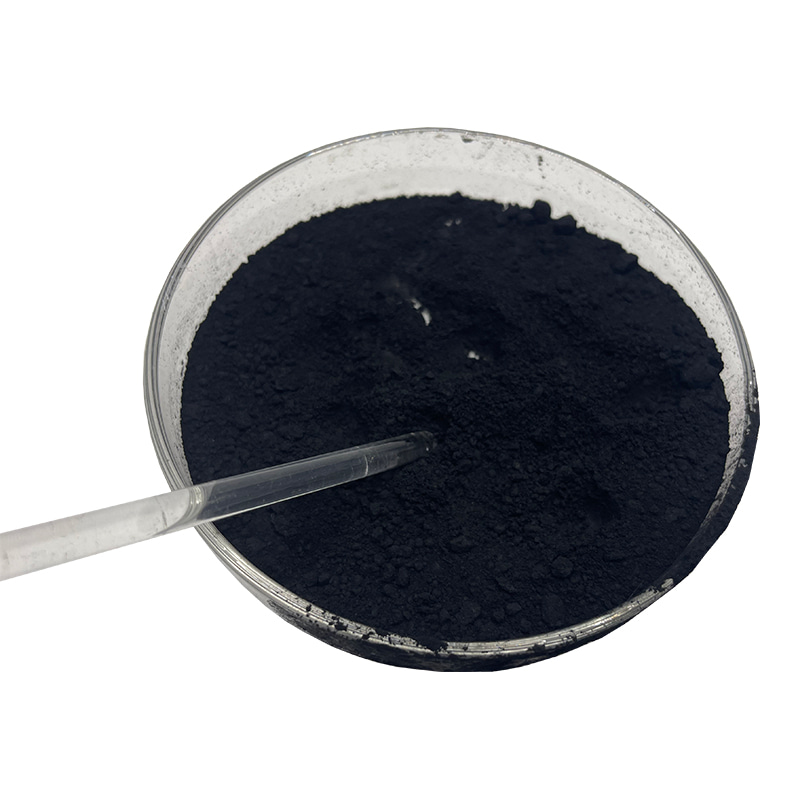
Carbon fiber materials are composite reinforcements built from thin crystalline carbon filaments — each strand typically 5–10 microns in diameter, roughly one-tenth the width of a human hair — bundled into tows and woven or laid into sheets, fabrics, or preimpregnated systems. The material itself is not a single substance but a category spanning dozens of fiber grades, resin systems, weave architectures, and processing routes, each optimized for different performance envelopes.
The defining mechanical properties of carbon fiber — high tensile strength, high stiffness, and low density — originate at the microstructural level. During the manufacturing process, polyacrylonitrile (PAN) precursor fiber is oxidized and then carbonized at temperatures exceeding 1,000°C, aligning carbon atoms into a graphitic lattice that gives the fiber its characteristic strength-to-weight ratio. Standard modulus (SM) fiber delivers tensile moduli around 230–240 GPa; intermediate modulus (IM) fiber reaches 270–310 GPa; high modulus (HM) and ultra-high modulus (UHM) grades extend to 450–900 GPa at increasing cost and brittleness.
For structural engineers and buyers, the practical implication is this: specifying "carbon fiber" without referencing fiber grade, tow count, and resin system provides insufficient information to predict part performance. A 3K plain weave fabric in an aerospace-grade epoxy system will behave very differently from a 12K twill in a standard industrial vinylester — even if both are accurately described as carbon fiber composite materials.
Carbon Fiber Fabrication Methods: Processes, Trade-offs, and When to Use Each
Carbon fiber fabrication encompasses a range of manufacturing processes, each suited to different part geometries, production volumes, mechanical requirements, and budget constraints. Selecting the wrong fabrication method is one of the most common and costly errors in composite part development.
Wet Layup (Hand Layup)
Dry carbon fiber fabric is placed into an open mold and wetted out manually with liquid resin using rollers or brushes. Wet layup is the most accessible and lowest-cost entry point into carbon fiber fabrication, requiring minimal tooling investment. Its limitations are significant: fiber volume fractions rarely exceed 40–45%, void content is relatively high, and part-to-part consistency depends heavily on operator skill. It remains viable for low-volume cosmetic parts, prototypes, and repair applications.
Vacuum Infusion (VARTM)
Dry fiber preforms are laid into a mold, sealed under a vacuum bag, and resin is drawn through the dry reinforcement under vacuum pressure. Vacuum infusion achieves fiber volume fractions of 50–60% and significantly lower void content than wet layup, with less resin waste and improved laminate consistency. It is widely used for large structural panels, marine hulls, wind turbine blades, and automotive structural components where autoclave processing is cost-prohibitive.
Prepreg Layup and Autoclave Cure
Preimpregnated carbon fiber fabric or tape is laid up in a temperature-controlled environment, vacuum bagged, and cured under elevated temperature and pressure in an autoclave. This combination consistently yields fiber volume fractions of 55–65% with void contents below 1% — the benchmark for aerospace-grade structural laminates. The process is time- and capital-intensive, but for load-critical structures where consistent mechanical properties are non-negotiable, it remains the gold standard.
Resin Transfer Molding (RTM) and Compression Molding
Closed-mold processes such as RTM and compression molding offer faster cycle times and higher repeatability than open-mold methods, making them suitable for medium-to-high volume production of structural components. High-pressure RTM (HP-RTM) has become the preferred route for structural automotive parts in the premium vehicle segment, with cycle times as low as 3–5 minutes per part. Compression molding of prepreg or sheet molding compound (SMC) is used for semi-structural panels and complex geometries.
Filament Winding and Pultrusion
Filament winding applies resin-wetted continuous fiber tows onto a rotating mandrel in precise angular patterns, producing pressure vessels, drive shafts, tubes, and cylinders with excellent hoop and axial strength. Pultrusion draws continuous fiber reinforcements through a resin bath and a heated die, producing constant cross-section profiles — rods, I-beams, angles — at high speed and low cost. Both processes are highly automated and suited to high-volume production of their respective geometries.
| Process | Fiber Volume Fraction | Void Content | Tooling Cost | Best For |
|---|---|---|---|---|
| Wet Layup | 35–45% | High | Low | Prototypes, cosmetic parts |
| Vacuum Infusion | 50–60% | Medium | Low–Medium | Large panels, marine, wind |
| Prepreg / Autoclave | 55–65% | <1% | High | Aerospace, motorsport |
| RTM / HP-RTM | 50–60% | Low | High | Automotive structural parts |
| Filament Winding | 60–70% | Low | Medium | Pressure vessels, tubes |
| Pultrusion | 55–65% | Low | Medium | Constant-section profiles |
Prepreg Carbon Fiber: Material Forms, Storage, and Processing Requirements
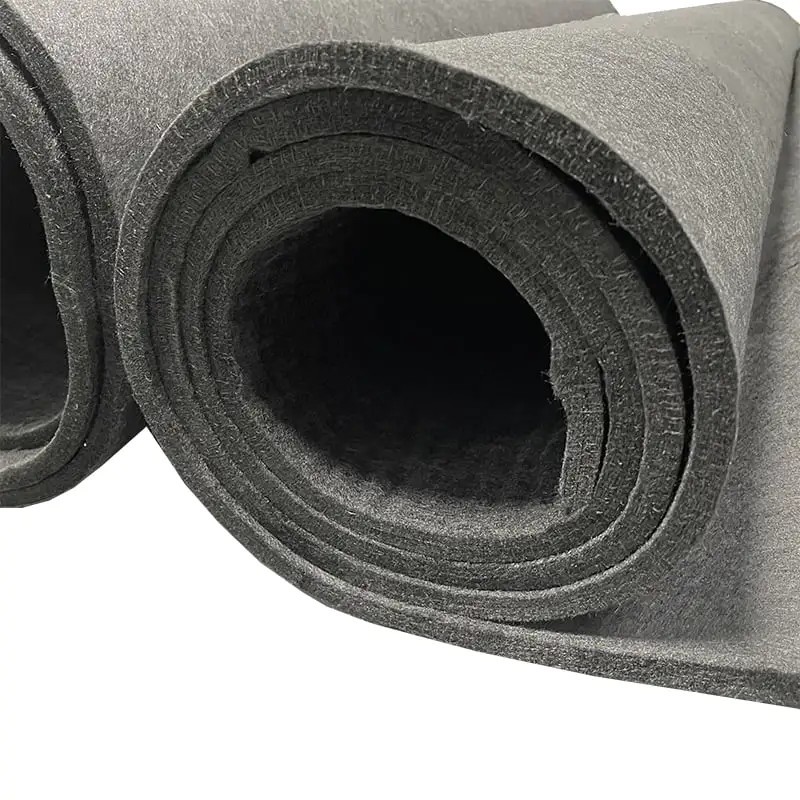
Prepreg carbon fiber — short for pre-impregnated carbon fiber — consists of carbon fiber reinforcement (woven fabric, unidirectional tape, or non-crimp fabric) pre-combined with a precisely metered, partially cured resin system. The resin is advanced to a B-stage, leaving it tacky and pliable at room temperature but requiring elevated temperature to complete the cure cycle. This pre-metered resin content is the central advantage of prepreg: it eliminates the resin variability inherent in wet layup and infusion processes, delivering consistent fiber-to-resin ratios from ply to ply and part to part.
Prepreg Material Forms
Prepreg carbon fiber is available in several distinct forms, each suited to different layup strategies and part geometries:
- Unidirectional (UD) tape — all fibers run in a single direction, providing maximum stiffness and strength along the fiber axis; used where load paths are well-defined and predictable
- Woven prepreg — plain weave, twill (2×2 or 4H satin), and harness satin fabrics offer improved drapability over complex mold surfaces and quasi-isotropic in-plane properties
- Non-crimp fabric (NCF) prepreg — fiber layers are stitched rather than woven, preserving fiber straightness and delivering higher mechanical properties than woven alternatives at comparable areal weights
- Tow prepreg (towpreg) — individual tows pre-impregnated for use in filament winding or automated fiber placement (AFP) systems
Out-Life, Shelf Life, and Frozen Storage
Managing prepreg material life is a critical operational requirement that distinguishes prepreg fabrication from dry-fiber processes. Most standard epoxy prepregs carry a frozen shelf life of 12–24 months at −18°C and an out-life of 30–60 days at room temperature (typically defined as ≤21°C). Out-life tracks the cumulative time the material spends outside frozen storage — once exhausted, the resin has advanced too far for reliable consolidation and cure.
Facilities running prepreg processes must maintain freezer storage capacity, implement first-in-first-out (FIFO) material rotation, and log out-time for every roll. Neglecting out-life tracking is one of the leading causes of void-rich laminates and delamination failures in prepreg-fabricated structures.
Cure Cycles: Autoclave vs. Out-of-Autoclave (OOA)
Conventional aerospace prepregs are designed for autoclave cure, where pressures of 6–7 bar (90–100 psi) combined with elevated temperatures (typically 120°C or 180°C cure cycles) consolidate the laminate and drive void content below 1%. Out-of-autoclave (OOA) prepregs — a rapidly growing product category — are specifically formulated to achieve comparable consolidation under vacuum-bag-only (VBO) pressure (approximately 1 bar / 14.7 psi). OOA systems use resin chemistries with engineered toughening and degassing characteristics, allowing the material to evacuate entrapped air during the early stages of the cure ramp before gelation locks the laminate structure. Void contents of 1–2% are routinely achieved with properly processed OOA prepregs, making them viable for aerospace secondary structures and high-performance non-aerospace applications where autoclave access is unavailable or uneconomical.
Resin Systems for Carbon Fiber Composites: Epoxy, BMI, PEEK, and Beyond
The resin matrix in a carbon fiber composite is not a passive binder — it governs interlaminar shear strength, impact resistance, operating temperature ceiling, moisture absorption, and repairability. Fiber selection and resin selection must be treated as co-dependent decisions, not sequential ones.
- Epoxy — the dominant matrix for structural carbon fiber composites across aerospace, automotive, and sporting goods. Offers an excellent balance of mechanical performance, adhesion to carbon fiber, and processing latitude. Service temperatures typically limited to 120–180°C wet (post-cure dependent). Epoxy is the standard resin system for prepreg carbon fiber in most applications.
- Bismaleimide (BMI) — thermoset resin system for applications requiring dry service temperatures of 175–230°C. Widely used in engine nacelles, military aircraft structures, and high-temperature racing components. More brittle than toughened epoxy; often used with interleaving or toughening additives.
- Cyanate ester — low dielectric loss and excellent moisture resistance make cyanate ester the preferred matrix for radome and antenna structures; service temperatures comparable to BMI.
- PEEK and other thermoplastic matrices (PEKK, PPS, PA12) — thermoplastic carbon fiber composites offer weldability, unlimited shelf life, faster processing in high-volume applications, and superior impact toughness. Processing requires significantly higher temperatures (350–400°C for PEEK). Adoption is growing in aerospace and automotive but equipment investment remains substantial.
- Vinylester and polyester — lower-cost thermoset options used in marine, industrial, and infrastructure applications where temperature performance and mechanical properties can be traded for cost reduction. Not suitable for aerospace or high-load structural applications.
Carbon Fiber in Industrial and Structural Applications: Performance Benchmarks
The adoption of carbon fiber materials across industries has accelerated as fabrication costs have declined and design engineers have accumulated structural confidence with composite behavior. The global carbon fiber market was valued at approximately USD 5.4 billion in 2023 and is projected to exceed USD 9 billion by 2030, driven by demand across aerospace, wind energy, automotive, and pressure vessel sectors.
The fundamental performance case for carbon fiber over competing structural materials rests on specific stiffness and specific strength — mechanical properties normalized by density:
- Standard carbon fiber/epoxy UD laminate: tensile strength ~1,500 MPa, modulus ~135 GPa, density ~1.55 g/cm³
- Aerospace aluminum (7075-T6): tensile strength ~570 MPa, modulus ~72 GPa, density ~2.81 g/cm³
- Structural steel (A36): tensile strength ~400 MPa, modulus ~200 GPa, density ~7.85 g/cm³
Carbon fiber's specific tensile strength is approximately 4–5× that of aluminum and 8–10× that of structural steel, which explains its displacement of metals in weight-sensitive structures. The trade-offs — cost, anisotropy, brittleness in the through-thickness direction, and sensitivity to impact damage — require careful management in structural design and manufacturing quality control.
In wind energy, carbon fiber spar caps have become standard in blades exceeding 80 meters, where glass fiber's lower stiffness requires unacceptable laminate thickness to meet tip deflection limits. In pressure vessel applications (Type IV hydrogen storage vessels), carbon fiber filament winding over a polymer liner enables gravimetric efficiency unachievable with metallic alternatives — a critical enabler for hydrogen fuel cell vehicle programs globally.