


 English
  中文简体
中文简体
Content
Thermal management systems have become integral to a wide range of industries, including energy systems, fuel cells, and electronics cooling. The design and functionality of flow channel plates are critical in optimizing the efficiency, performance, and durability of these systems. The flexible flow channel plate has emerged as a notable innovation compared to traditional fixed-channel designs.
1. Overview of Flow Channel Plate Designs
Flow channel plates are essential components in thermal management systems, used to direct and manage the flow of fluids (typically coolants) across a surface. They come in two main configurations: fixed-channel designs and flexible flow channel plates. Both have their respective advantages and applications, but the introduction of flexibility in flow channel plates brings new opportunities for optimization.
1.1 Fixed-Channel Designs
In traditional fixed-channel designs, the channel geometry is rigidly defined during the manufacturing process. These designs are typically constructed from solid, rigid materials such as metal or composite materials, and the flow channels are precisely engineered to guide fluid in a predictable path.
-
Advantages:
- Stable Channel Geometry: Fixed-channel designs offer a high degree of predictability in fluid flow.
- Durability: The rigid nature of fixed designs makes them resistant to physical deformation under pressure and temperature fluctuations.
- Proven Technology: Fixed-channel designs have been widely used in various industries, offering a well-established and reliable solution.
-
Limitations:
- Limited Adaptability: Once the design is set, there is limited room for adjustments or optimization to accommodate varying operating conditions.
- Manufacturing Complexity: The production of fixed-channel plates often involves more intricate tooling, increasing the cost and time of manufacturing.
1.2 Flexible Flow Channel Plates
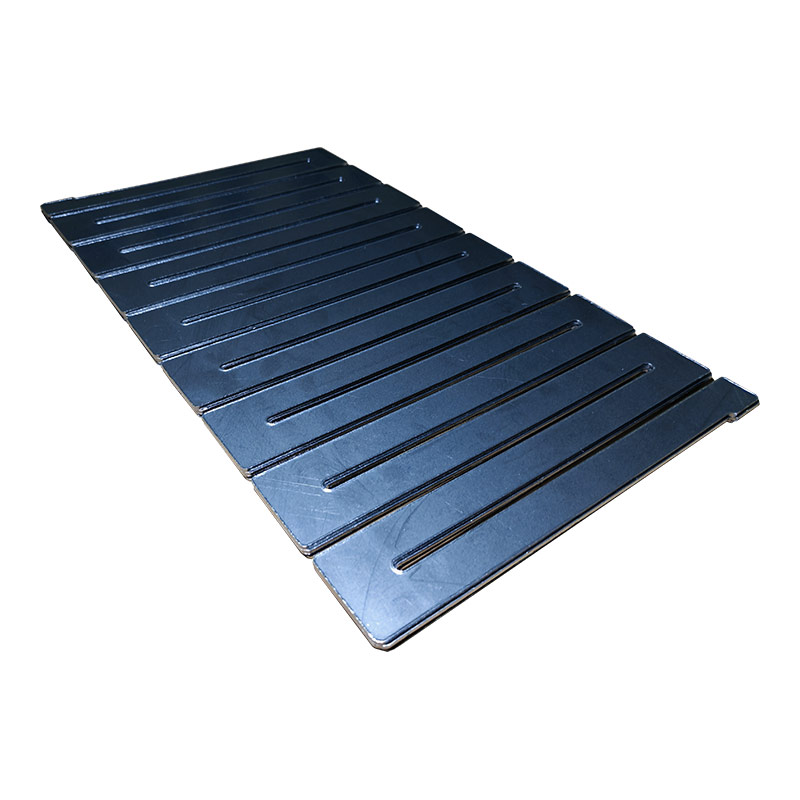
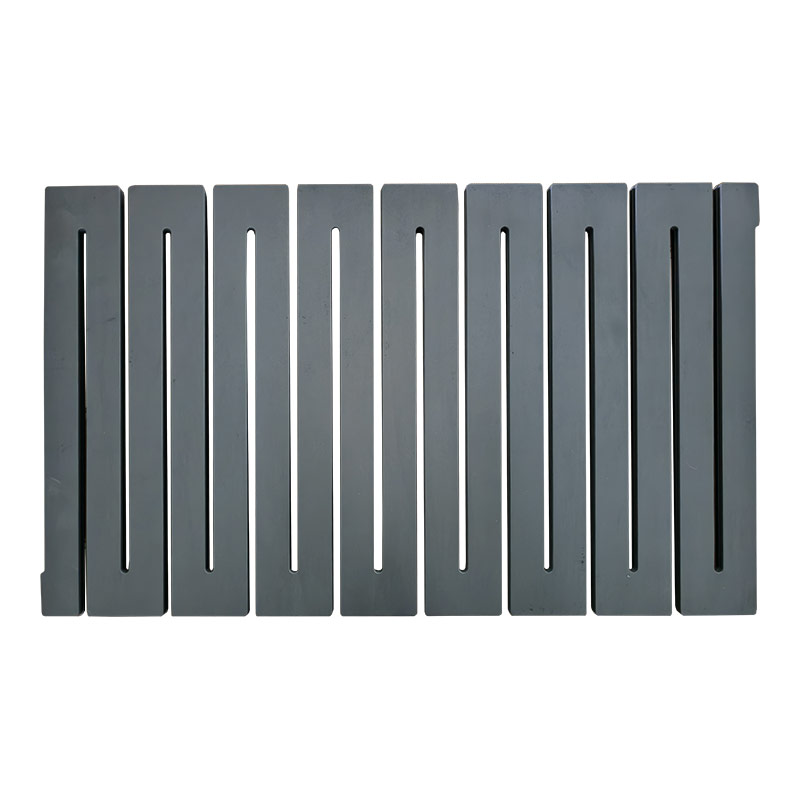
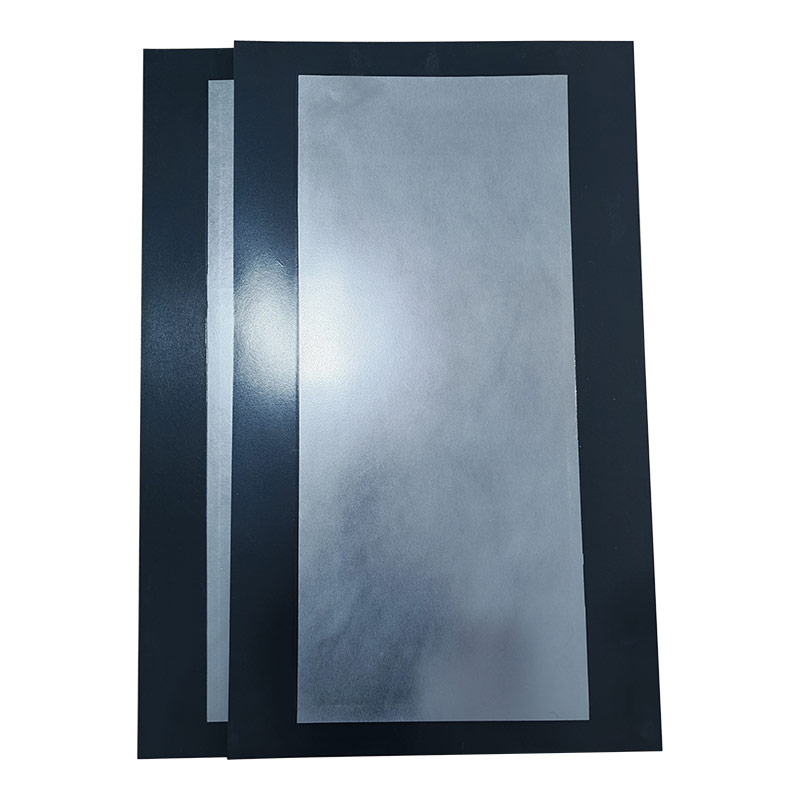
The introduction of flexible flow channel plates allows for more adaptive and customizable solutions. These plates incorporate materials and designs that enable the channel geometries to flex and adjust, depending on the operational conditions.
-
Advantages:
- Adaptability: Flexible flow channel plates can adapt to different operational parameters, including varying pressure, temperature, and fluid flow rates.
- Improved Heat Transfer: Flexibility allows for a more efficient heat exchange, as the channels can adjust to optimize fluid movement.
- Ease of Manufacturing: Flexible designs often require less complex tooling, leading to a more cost-effective and scalable production process.
-
Limitations:
- Potential Deformation: Under extreme conditions, the flexible materials may deform, leading to potential issues with fluid distribution and heat transfer efficiency.
- Material Selection: The choice of materials must ensure that flexibility does not compromise the overall strength and durability of the plate.
2. Performance Comparison
A key consideration when evaluating flexible flow channel plates versus fixed-channel designs is the performance of the system. The efficiency of thermal management and the stability of fluid flow are critical in most applications.
2.1 Heat Transfer Efficiency
Heat transfer efficiency is central to the performance of thermal management systems, and the flow channel design plays a significant role in this aspect.
- Fixed-Channel Designs: Fixed-channel plates are optimized for specific heat transfer coefficients based on the geometrical design. Their rigid structure ensures consistent fluid velocity and heat transfer under steady-state conditions.
- Flexible Flow Channel Plates: Flexible designs allow the channels to adjust according to changing fluid dynamics, leading to enhanced heat transfer in dynamic or fluctuating environments. These plates can accommodate variations in flow rate or pressure, providing more efficient cooling or heating as needed.
| Factor | Fixed-Channel Designs | Flexible Flow Channel Plates |
|---|---|---|
| Heat Transfer Efficiency | Consistent but limited adaptability under varying conditions | Adaptive, optimized for dynamic fluid conditions |
| Design Flexibility | Rigid, cannot easily adapt to changing conditions | Can adjust to flow rate, pressure, and temperature changes |
| Fluid Flow Adjustment | Fixed, optimized for steady-state flow patterns | Adjusts in real-time for better flow distribution |
| Performance in Dynamic Conditions | Limited performance in fluctuating environments | Superior in varying operational conditions |
2.2 Fluid Flow Distribution
Uniform fluid distribution across the surface is crucial to ensure consistent heat exchange.
- Fixed-Channel Designs: These designs offer stable fluid flow patterns but may suffer from inefficiencies when operating conditions deviate from the design parameters.
- Flexible Flow Channel Plates: The ability to adapt to changing conditions makes flexible flow channel plates superior in handling complex fluid flow patterns. They can optimize flow distribution in real-time, leading to improved overall system efficiency.
3. Manufacturing Considerations
Manufacturing flexibility and scalability are essential when comparing these two types of flow channel plates. Flexibility in production processes can lead to cost savings and faster time-to-market.
3.1 Production Process of Fixed-Channel Designs
Manufacturing fixed-channel plates often requires specialized tooling and precise machining, which can increase production costs. Additionally, any required changes to the design may necessitate significant retooling and testing, adding delays to the production process.
- Material Selection: Traditional materials used in fixed-channel designs include metals such as aluminum, stainless steel, and titanium, which can withstand high temperatures and pressure.
- Manufacturing Time: The precision required for fixed-channel designs can lead to longer lead times and higher production costs.
3.2 Production Process of Flexible Flow Channel Plates
Flexible flow channel plates often use advanced polymers, composites, or metal-polymer hybrid materials that can be manufactured using flexible molding techniques. The production of these plates is often faster, and the cost of tooling is generally lower than for fixed-channel designs.
- Material Selection: The choice of flexible materials, such as polymers or elastomers, enables manufacturers to create products that can withstand various environmental conditions while maintaining adaptability.
- Manufacturing Time: The flexibility in material and tooling reduces the overall production time, leading to faster turnaround times for custom orders or new designs.
| Aspect | Fixed-Channel Designs | Flexible Flow Channel Plates |
|---|---|---|
| Tooling and Production Time | Requires intricate tooling and longer lead times | Flexible tooling allows for faster production times |
| Material Selection | Typically metals (e.g., aluminum, titanium) | Advanced polymers, composites, or hybrid materials |
| Customization and Adaptability | Limited customization options | Highly adaptable to varying requirements |
| Production Costs | Higher due to complexity | Lower, more cost-effective due to flexible processes |
4. Applications and Industry Trends
Both fixed-channel designs and flexible flow channel plates serve various industries, but the demand for flexible solutions is growing in specific sectors.
4.1 Applications of Fixed-Channel Designs
Fixed-channel plates are commonly used in industries where the operating conditions are relatively constant, such as automotive and aerospace sectors. These systems benefit from the predictability and stability that fixed-channel designs offer.
- Automotive Applications: Fixed designs are widely used in cooling systems for engines and batteries.
- Aerospace: Fixed-channel plates are used in heat exchangers for aircraft systems, where reliability and performance are critical.
4.2 Applications of Flexible Flow Channel Plates
Flexible flow channel plates are becoming increasingly popular in industries requiring adaptable thermal management solutions. Their ability to adjust to varying conditions makes them ideal for dynamic environments such as fuel cells and renewable energy systems.
- Fuel Cells: Flexible flow channel plates are used in proton exchange membrane fuel cells (PEMFC) to optimize the efficiency of energy conversion by adapting to changing fuel cell loads.
- Renewable Energy Systems: In solar and wind energy systems, flexible plates can accommodate fluctuations in temperature and flow, enhancing the system’s overall efficiency.
5. Summary
In summary, both flexible flow channel plates and fixed-channel designs have their respective strengths and weaknesses. Fixed-channel plates offer stability and reliability in environments with predictable conditions, while flexible flow channel plates provide adaptability, better heat transfer efficiency, and manufacturing flexibility. The choice between the two depends on the specific needs of the application and the operating conditions.
6. Frequently Asked Questions (FAQ)
Q1: What are the main advantages of using flexible flow channel plates over fixed-channel designs?
A: The main advantages include improved heat transfer efficiency, adaptability to changing conditions, and easier manufacturing processes.
Q2: Are flexible flow channel plates more expensive than fixed-channel designs?
A: While the initial material costs may vary, flexible flow channel plates can offer cost savings in terms of manufacturing time and tooling, potentially making them more cost-effective in the long run.
Q3: In which applications are flexible flow channel plates more suitable than fixed-channel designs?
A: Flexible flow channel plates are particularly useful in applications requiring dynamic fluid flow management, such as fuel cells, renewable energy systems, and certain types of cooling systems.
7. References
- J. Smith et al., “Thermal Management in Energy Systems: A Comparison of Flow Channel Plate Designs,” International Journal of Energy Technology, 2023.
- R. Anderson et al., “Manufacturing Techniques for Flexible Flow Channel Plates,” Advanced Materials Processing Journal, 2022.
- L. Johnson, “Optimizing Fluid Flow Distribution in Thermal Systems,” Journal of Mechanical Engineering Science, 2021.