


 English
  中文简体
中文简体
Content
- 1 1. Understanding Carbon Fiber Reinforced Carbon-Plastic Bipolar Plates
- 2 2. Impact on Mechanical Strength and Stiffness
- 3 3. Effect on Durability and Fatigue Resistance
- 4 4. Enhanced Corrosion Resistance
- 5 5. Electrical Conductivity and Performance in Fuel Cell Systems
- 6 6. Cost Efficiency and System Integration
- 7 7. Conclusion
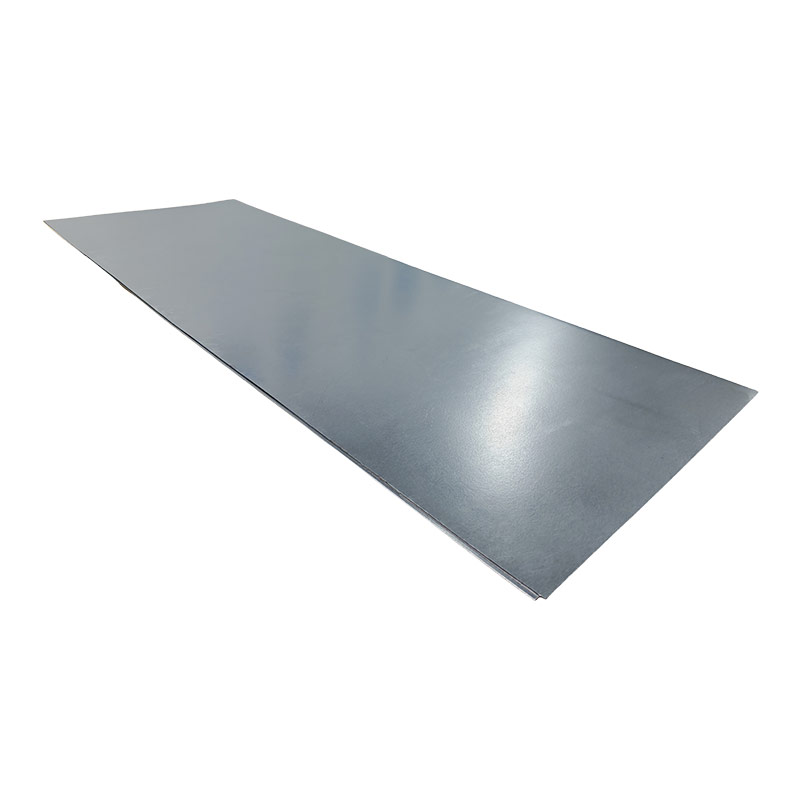
Bipolar plates are essential components in electrochemical devices, particularly in fuel cell systems. These plates serve several functions: they separate the individual cells in a stack, distribute reactant gases across the electrodes, and collect and transfer electrical current. Over time, metals have been the dominant material for bipolar plates, but recent technological advancements have introduced carbon fiber reinforced carbon-plastic bipolar plates. These plates offer significant advantages, including higher mechanical strength, better electrical conductivity, and enhanced cost efficiency.
1. Understanding Carbon Fiber Reinforced Carbon-Plastic Bipolar Plates
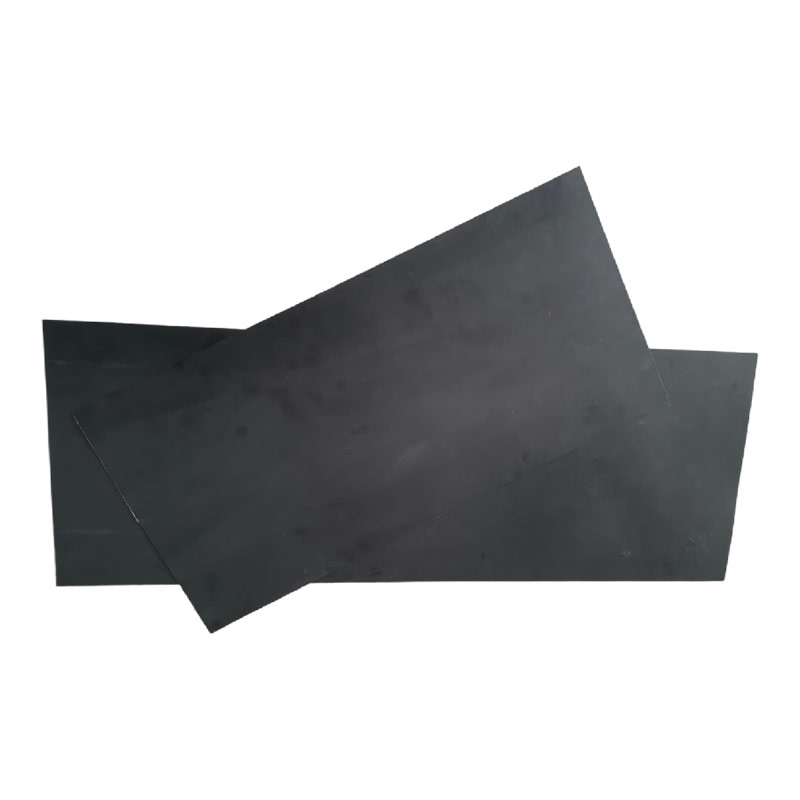
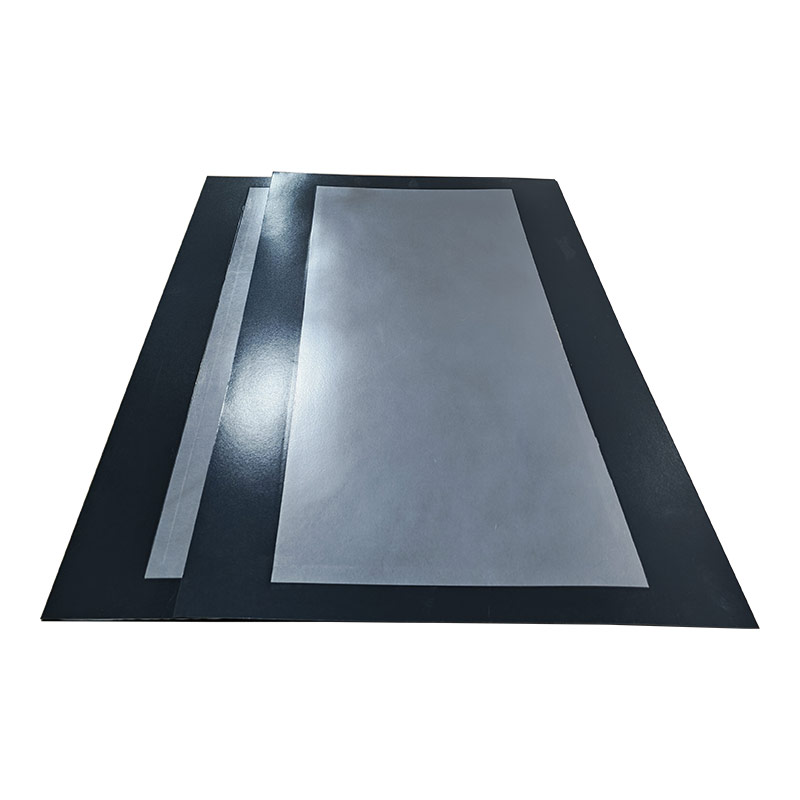
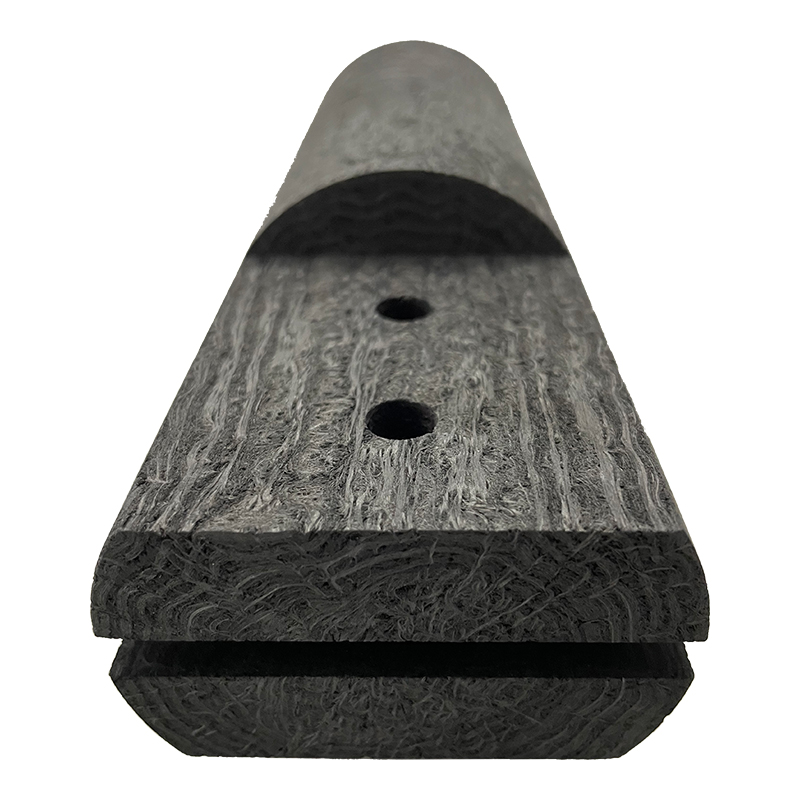
Carbon-plastic bipolar plates combine carbon fibers with polymer resins, resulting in a composite material that combines the properties of both components. The carbon fibers provide high strength and electrical conductivity, while the plastic matrix ensures that the plates are lightweight and resistant to corrosion. The carbon fibers form a conductive network within the plate, enhancing the electrical conductivity and overall performance in fuel cell applications. This reinforcement enhances the mechanical properties of the plates, improving their suitability for use in high-stress, high-performance environments.
The introduction of carbon fiber reinforcement into the carbon-plastic bipolar plate design significantly improves overall mechanical performance, particularly with respect to strength, durability, and stiffness.
2. Impact on Mechanical Strength and Stiffness
2.1 Increased Tensile Strength
Tensile strength refers to the ability of a material to resist tension or pulling forces without breaking. Carbon fiber reinforcement dramatically increases the tensile strength of carbon-plastic bipolar plates. This enhancement enables the plates to withstand higher levels of mechanical stress without cracking or deforming. In fuel cell systems, the bipolar plates are subjected to pressure, mechanical assembly, and thermal cycling, making increased tensile strength essential for maintaining structural integrity.
2.2 Improved Stiffness
The stiffness of a material is its resistance to deformation under load. Carbon fiber reinforcement significantly increases the stiffness of carbon-plastic bipolar plates, making them more resistant to bending, warping, or distortion. This is important in fuel cell systems, where plates are often under mechanical pressure during stack assembly. The increased stiffness of these plates ensures that they maintain their shape and structural integrity, ensuring reliable performance over time.
3. Effect on Durability and Fatigue Resistance
3.1 Resistance to Thermal Cycling
Fuel cells often operate under fluctuating temperature conditions, which can lead to thermal expansion and contraction of materials. Traditional metals, such as stainless steel, are prone to material fatigue and cracking under these conditions. Carbon fiber reinforced carbon-plastic bipolar plates, however, exhibit excellent thermal stability. The carbon fibers enhance the material’s ability to resist thermal expansion, ensuring that the plates maintain their shape and functionality despite extreme temperature fluctuations.
3.2 Improved Fatigue Resistance
Fatigue resistance refers to the ability of a material to withstand repeated stress cycles without failing. In fuel cell applications, the bipolar plates are subject to constant pressure and temperature cycling, which can lead to material degradation over time. The carbon fiber reinforcement significantly improves the fatigue resistance of these plates, allowing them to endure repeated stress cycles without developing cracks or other forms of failure. This enhanced fatigue resistance contributes to the longevity and reliability of the fuel cell system.
4. Enhanced Corrosion Resistance
Corrosion resistance is a crucial factor for materials used in fuel cell systems, particularly for bipolar plates that are exposed to reactive environments. Traditional metal plates, such as those made from stainless steel, are susceptible to corrosion when exposed to the acidic and oxidizing conditions inside a fuel cell. Carbon fiber reinforced carbon-plastic bipolar plates, however, offer superior resistance to corrosion. The carbon fibers themselves are non-corrosive, and the plastic matrix provides additional protection against oxidative damage. This corrosion resistance extends the life of the bipolar plates, reducing the need for frequent replacements or maintenance.
5. Electrical Conductivity and Performance in Fuel Cell Systems
The electrical conductivity of the bipolar plates is a critical factor in determining the overall performance of the fuel cell. The carbon fibers embedded within the composite matrix create a conductive network, enhancing the electrical properties of the bipolar plates.
5.1 Improved Electrical Conductivity
The carbon fibers significantly improve the electrical conductivity of carbon-plastic bipolar plates. This allows for more efficient collection and distribution of electrical current across the fuel cell stack, reducing electrical losses and enhancing overall fuel cell performance. Although carbon fiber reinforced plates may not match the conductivity levels of traditional metal plates, they offer a viable alternative in terms of performance, particularly when optimized design and manufacturing processes are used.
5.2 Optimized Gas Distribution
In addition to electrical conductivity, carbon fiber reinforced carbon-plastic bipolar plates are also designed to optimize the distribution of reactant gases across the electrode surface. The plates are often molded with complex flow-field patterns that direct the flow of gases like hydrogen and oxygen efficiently to the electrochemical cells. This optimized gas distribution, combined with the enhanced mechanical properties, ensures that the fuel cell operates at peak efficiency throughout its lifecycle.
6. Cost Efficiency and System Integration
Although the initial cost of carbon fiber reinforced carbon-plastic bipolar plates may be higher than traditional metal plates, their long-term benefits, including durability and system efficiency, offer a strong value proposition.
6.1 Reduced Weight and Material Costs
The lightweight nature of carbon fiber reinforced plates reduces the overall weight of the fuel cell system. This is particularly important in applications where weight is a critical factor, such as in automotive or portable power generation systems. Furthermore, the cost of raw materials for carbon-plastic composites can be lower than metals, especially when considering the performance advantages of carbon fiber reinforcement.
6.2 System Integration and Manufacturing Efficiency
The integration of carbon fiber reinforced carbon-plastic bipolar plates into fuel cell systems can be achieved with relatively simple manufacturing processes, such as molding and injection molding. These processes allow for flexible designs and cost-effective production, making the plates an attractive option for fuel cell manufacturers. Additionally, the increased durability of these plates reduces maintenance and replacement costs over time, improving the overall cost efficiency of the fuel cell system.
7. Conclusion
Carbon fiber reinforced carbon-plastic bipolar plates offer significant improvements in mechanical strength, durability, electrical conductivity, and cost efficiency compared to traditional materials. The introduction of carbon fiber reinforcement enhances the tensile strength, stiffness, fatigue resistance, and corrosion resistance of the plates, making them a reliable and long-lasting choice for fuel cell applications. Additionally, the plates’ superior electrical conductivity and optimized gas distribution contribute to the overall performance and efficiency of the fuel cell system. The cost benefits, combined with the plates’ ease of integration into existing manufacturing processes, make them a promising solution for the future of fuel cell technology.
8. FAQ
-
What is the primary advantage of using carbon fiber reinforced carbon-plastic bipolar plates?
The primary advantage is improved mechanical strength, durability, and corrosion resistance, which extend the lifespan and reliability of fuel cell systems. -
How does carbon fiber reinforcement improve the electrical conductivity of bipolar plates?
The carbon fibers form a conductive network within the composite material, enhancing the overall electrical conductivity of the plates. -
Are carbon fiber reinforced bipolar plates more expensive than metal plates?
While the initial cost may be higher, the long-term benefits, such as improved durability and reduced maintenance costs, make them a cost-effective solution. -
Can carbon fiber reinforced bipolar plates withstand extreme temperatures?
Yes, these plates exhibit excellent thermal stability, allowing them to withstand significant temperature fluctuations without degrading. -
What are the main challenges of manufacturing carbon fiber reinforced carbon-plastic bipolar plates?
Challenges include ensuring consistent fiber alignment and achieving optimal resin-to-fiber ratios to balance strength and conductivity.
9. References
- Fuel Cell Technologies Office. (2020). Bipolar Plates in Fuel Cells: Key Design Considerations. Department of Energy.
- Guo, Y., et al. (2019). Carbon Fiber Reinforced Composites for Fuel Cell Applications: Material Properties and Performance. Journal of Power Sources.
- Zhang, L., & Sun, S. (2018). Advanced Materials for Bipolar Plates in Fuel Cells. Fuel Cells Research Journal.