


 English
  中文简体
中文简体
Content
What Is Electrode Felt?
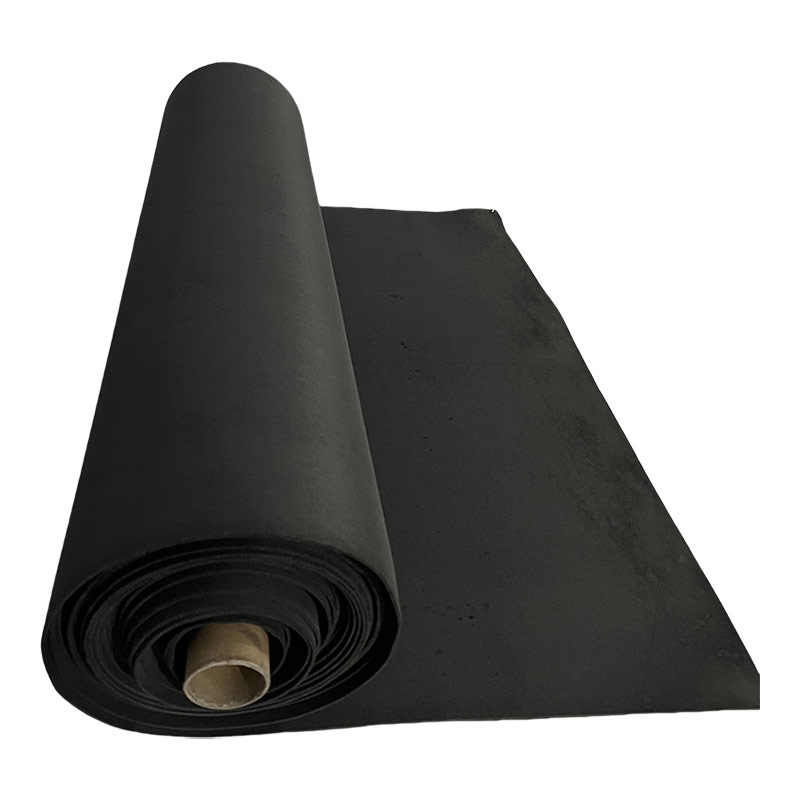
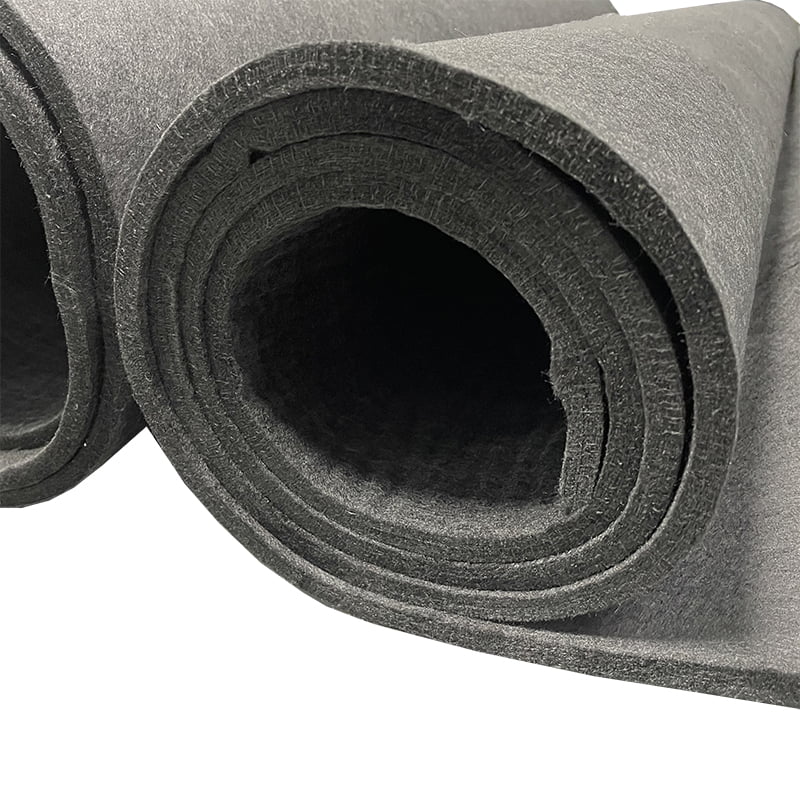
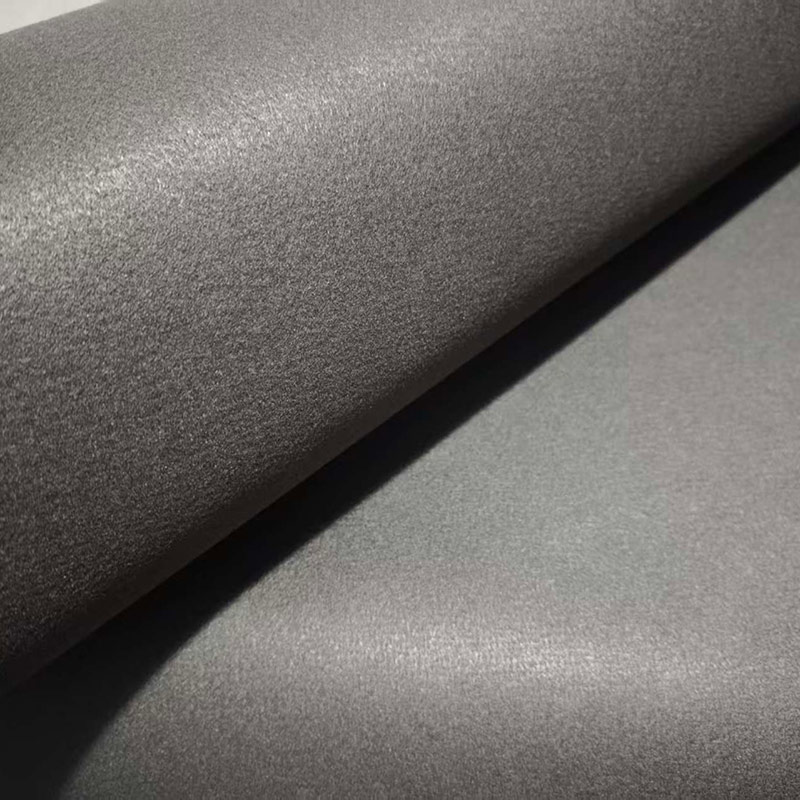
Electrode felt is a porous, non-woven material made from carbon or graphite fibers, used as the electrode substrate in electrochemical systems where a large, accessible surface area is needed for reactions to take place efficiently. Unlike a solid metal electrode, felt's fibrous, interconnected structure gives electrolyte fluid a huge internal surface area to react across while still allowing that fluid to flow through the material rather than only across its outer face.
The felt is produced by carbonizing (and, for graphite felt, further graphitizing) a precursor fiber — typically rayon or polyacrylonitrile (PAN) — into a randomly oriented fiber mat, then needling or bonding that mat into a coherent felt sheet that can be cut and shaped for a specific electrode application.
Carbon Felt vs. Graphite Felt Electrodes
Carbon felt and graphite felt start from the same fiber precursor but diverge based on the temperature of their final heat treatment. Carbon felt is carbonized at a lower temperature, typically in the range of 1,000°C to 1,600°C, leaving a more disordered, amorphous carbon structure. Graphite felt goes through an additional, much higher-temperature graphitization step — often above 2,000°C and sometimes as high as 3,000°C — which reorganizes the carbon into a more ordered, crystalline graphite structure.
That structural difference translates directly into performance: graphite felt has higher electrical conductivity and generally better chemical stability under prolonged electrochemical cycling, while carbon felt is less expensive to produce and, for some applications, its more disordered surface actually provides more active reaction sites before any surface treatment is applied. Many flow battery and electrochemical applications use surface-treated (oxidized) carbon or graphite felt specifically to boost reaction kinetics beyond what either material offers untreated.
Carbon Felt for Vanadium Redox Flow Batteries
Carbon and graphite felt are the standard electrode material in vanadium redox flow batteries (VRFBs), where they serve as the porous electrode through which vanadium electrolyte flows during charge and discharge. The felt's role is purely as a reaction surface and conductive pathway — it doesn't store the energy itself, since that's held in the liquid vanadium electrolyte, but the felt's surface area and conductivity directly determine how efficiently the electrochemical reactions at the electrode can proceed.
Felt properties that matter most for VRFB performance include specific surface area (more surface area generally means faster reaction kinetics and lower cell resistance), pore structure (which affects electrolyte flow resistance through the felt), and wettability, since untreated carbon felt can be hydrophobic and resist full electrolyte penetration until it's surface-activated through thermal, chemical, or electrochemical treatment.
Porous Structure of Carbon Electrode Material
The porous structure of carbon felt is what gives it a functional surface area far beyond what its outer dimensions would suggest — a felt sheet just a few millimeters thick can present a specific surface area on the order of tens of square meters per gram, spread across a network of interconnected fibers and voids. This structure serves two roles simultaneously: it provides reaction surface for the electrochemical process, and it forms flow channels that let electrolyte pass through the material rather than simply pooling against a solid face.
Pore size distribution and fiber density are engineered characteristics, not incidental ones — a felt with pores too small restricts electrolyte flow and increases pumping energy requirements, while pores too large reduce the total reactive surface area available per unit volume. Manufacturers control these characteristics through fiber diameter, needling density, and felt thickness to hit a target balance between flow resistance and surface area for a given application.
Applications of Carbon Felt Electrode Material
- Redox flow batteries: The primary large-scale application, where carbon and graphite felt serve as the electrode in vanadium and other flow battery chemistries used for grid-scale and industrial energy storage.
- Fuel cells: Carbon felt and related carbon fiber materials are used as gas diffusion layers and electrode substrates in certain fuel cell designs, taking advantage of the same porosity that benefits flow batteries.
- Electrolysis and electrochemical synthesis: The high surface area and chemical stability of carbon and graphite felt make them useful electrodes for various industrial electrochemical processes beyond energy storage.
- High-temperature thermal insulation: Beyond electrochemical uses, graphite felt's low thermal conductivity and high-temperature stability make it a common insulation material inside vacuum furnaces and crystal growth equipment.
- Water and wastewater treatment: Carbon felt electrodes are used in some electrochemical water treatment systems, where its surface area supports processes like electro-oxidation of contaminants.