


 English
  中文简体
中文简体
Content
- 1 Electrode Materials in Flow Batteries and Bipolar Plates
- 2 Understanding Flow Batteries and Their Components
- 3 Electrode Materials in Flow Batteries
- 4 Bipolar Plates in Flow Batteries
- 5 Selecting the Right Electrode and Bipolar Plate Materials
- 6 Applications of Flow Batteries and Electrode Materials
- 7 Conclusion on Electrode Materials and Bipolar Plates
Electrode Materials in Flow Batteries and Bipolar Plates
The electrode materials in flow batteries play a crucial role in energy storage efficiency, longevity, and overall performance. These materials directly influence the chemical reactions that occur during the charge and discharge cycles. Bipolar plates serve as essential components, enabling the efficient flow of electrolytes and electrical current between electrodes.
In flow batteries, the choice of electrode materials significantly affects energy density, cycle life, and cost. Bipolar plates, typically made from conductive materials, help optimize the performance of these batteries by maintaining structural integrity and facilitating the required electrical connections.
Understanding Flow Batteries and Their Components
A flow battery operates by using two electrolyte solutions that flow through the system. The electrodes serve as the site for electrochemical reactions, where energy is stored during charging and released during discharging.
Key Components of Flow Batteries
- Electrodes - Conduct the chemical reactions required for energy conversion
- Electrolyte - Carries ions between the electrodes
- Bipolar Plates - Provide electrical connections and electrolyte flow management
Advantages of Flow Batteries
- Scalable energy storage capacity
- Long cycle life
- Ability to store large amounts of energy for grid stabilization and off-grid applications
Electrode Materials in Flow Batteries
The electrode materials in flow batteries are selected for their ability to facilitate high-efficiency charge and discharge cycles. The primary role of the electrode is to conduct electrical current while supporting the redox (reduction-oxidation) reactions that store and release energy.
Common Electrode Materials
- Graphite - High conductivity and stability, commonly used in vanadium redox flow batteries
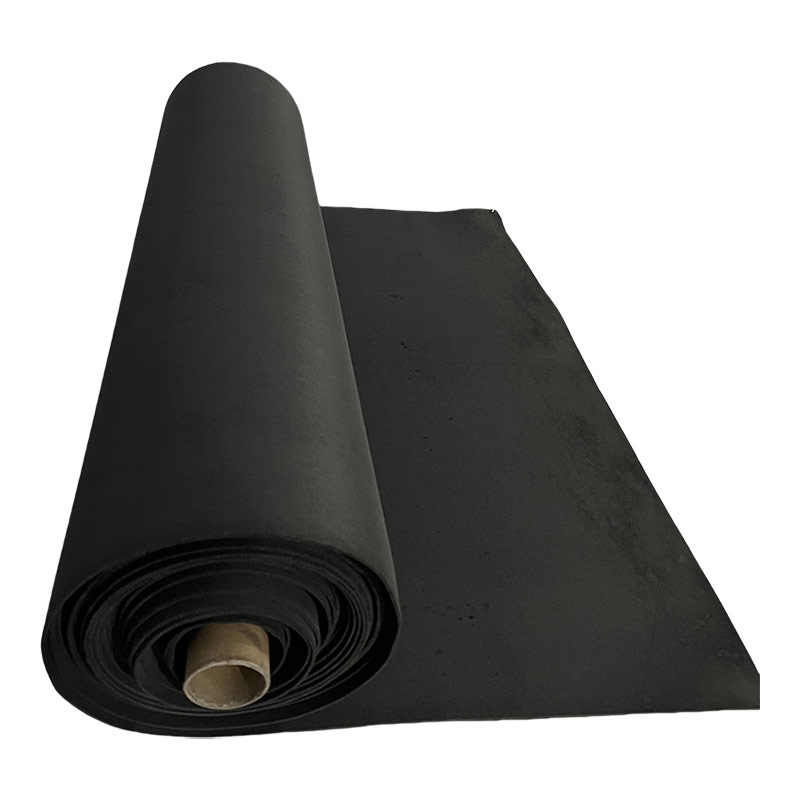
- Carbon-based materials - Including carbon felt, offering a balance of conductivity and porosity
- Platinum and Gold - Used in some advanced flow batteries for their high corrosion resistance
The choice of material impacts the battery's efficiency, lifespan, and cost. For instance, platinum electrodes are highly efficient but costly, while carbon-based electrodes offer a more affordable alternative with reasonable performance.
Bipolar Plates in Flow Batteries
Bipolar plates are vital components in flow batteries, serving to electrically connect adjacent cells and manage the flow of electrolytes. These plates must be made from conductive materials that can withstand the harsh environments created by the electrolyte solutions.
Materials Used for Bipolar Plates
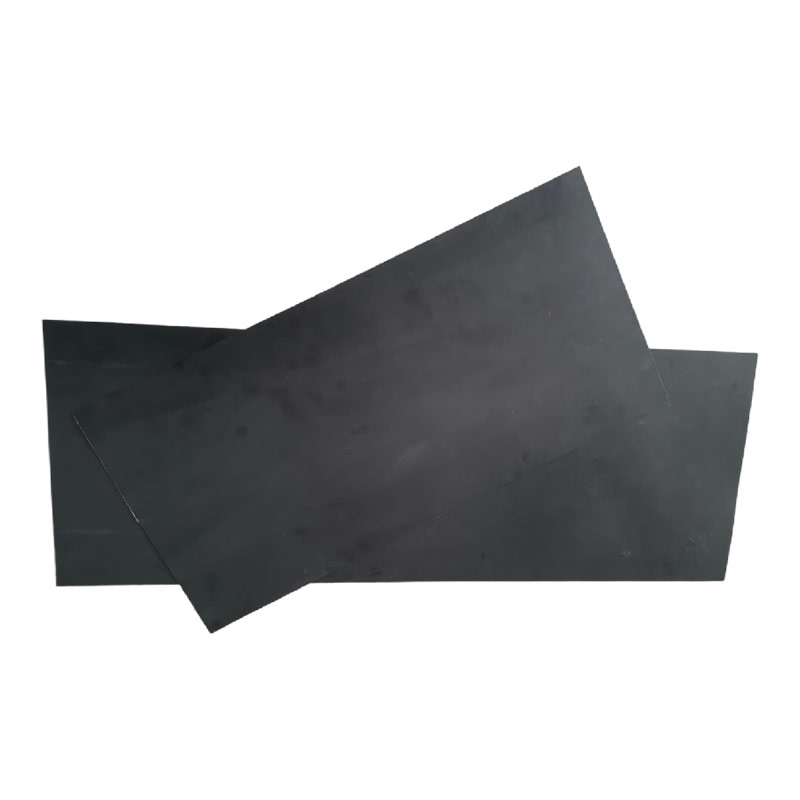
- Graphite - Excellent conductivity but can be brittle
- Metallic alloys - Often used with coatings to prevent corrosion
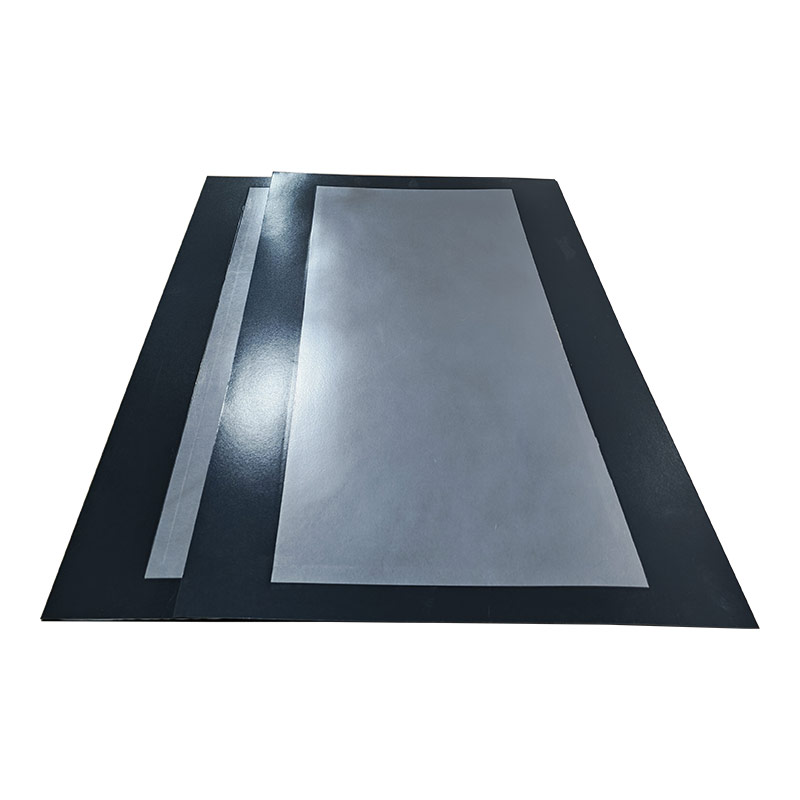
- Composites - Offer a balance of durability and conductivity
Performance Considerations
The materials selected for bipolar plates must exhibit low electrical resistance, high corrosion resistance, and minimal degradation over time. This ensures the longevity and efficiency of the flow battery system.
Selecting the Right Electrode and Bipolar Plate Materials
The selection of materials for electrodes and bipolar plates depends on several factors, including the desired battery performance, environmental conditions, and cost constraints.
Key Selection Criteria
- Conductivity - High conductivity is essential for efficient energy conversion
- Corrosion resistance - The materials must endure exposure to electrolytes without degradation
- Cost - High-performance materials may increase the upfront cost of the battery
- Durability - The ability to withstand repeated charge/discharge cycles without significant degradation
Cost vs. Performance Trade-Offs
In many cases, a balance must be struck between cost and performance. While platinum-based electrodes offer superior performance, carbon-based materials provide a more cost-effective solution for large-scale applications.
Applications of Flow Batteries and Electrode Materials
Flow batteries are ideal for large-scale energy storage applications, particularly in renewable energy integration, such as wind and solar farms. The electrodes and bipolar plates used in these systems must be capable of handling the high demands of grid storage and off-grid power solutions.
Key Applications
- Grid-scale energy storage systems for renewable energy
- Emergency backup power for industrial and commercial sectors
- Off-grid energy solutions in remote locations
Conclusion on Electrode Materials and Bipolar Plates
The performance of flow batteries heavily depends on the quality of electrode materials and bipolar plates. By selecting the right combination of materials, flow batteries can be optimized for efficiency, durability, and cost-effectiveness, ensuring their widespread adoption in energy storage and renewable energy applications.