


 English
  中文简体
中文简体
Content
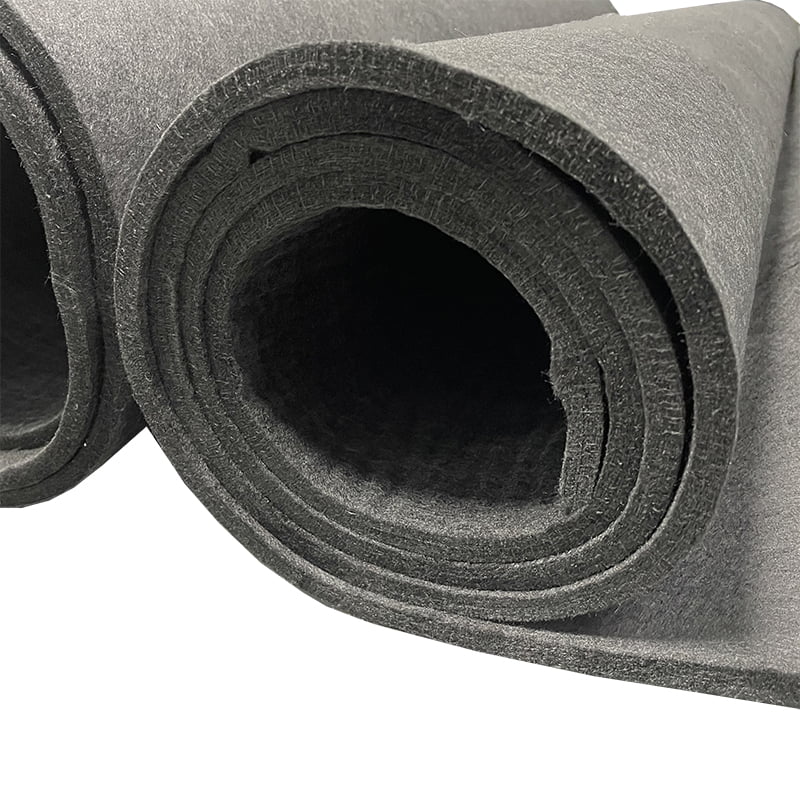
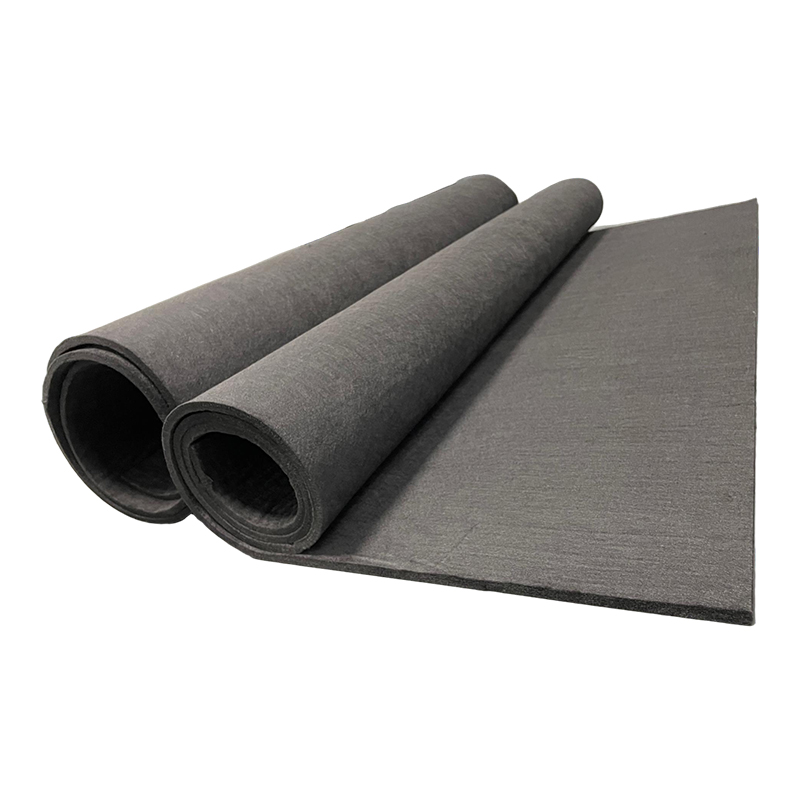
Carbon felt is a versatile and essential material in a variety of high-performance applications, such as energy storage, thermal insulation, and fuel cell technology. Among the different types of carbon felt available, PAN-based carbon felt (Polyacrylonitrile-based carbon felt) stands out due to its unique manufacturing process, structure, and performance characteristics.
1. Overview of Carbon Felt Types
Carbon felt is typically categorized into two primary types based on the precursor material used for manufacturing: PAN-based carbon felt and pitch-based carbon felt. While both are used in similar applications, such as fuel cells, batteries, and thermal insulation, their properties differ significantly due to the nature of the precursors and their respective manufacturing processes.
1.1 PAN-Based Carbon Felt
PAN-based carbon felt is produced using polyacrylonitrile as the precursor material. The polymer is first processed into a felt-like structure and then carbonized at high temperatures to achieve a high-performance carbon material. PAN-based carbon felt is known for its excellent mechanical properties, porosity, and electrical conductivity. These characteristics make it particularly suitable for applications in energy storage, fuel cells, and high-temperature environments.
1.2 Pitch-Based Carbon Felt
Pitch-based carbon felt is derived from petroleum pitch, a byproduct of the oil refining process. The precursor material is carbonized in a similar manner to PAN-based carbon felt but typically at a lower temperature. This results in a material with a lower density, reduced mechanical strength, and slightly different thermal and electrical properties. Pitch-based carbon felt is often used in applications where mechanical strength is less critical, but high thermal conductivity is required, such as in industrial furnaces and insulation systems.
2. Key Differences in Manufacturing Process
The manufacturing process of PAN-based and pitch-based carbon felt plays a critical role in determining their final properties. Each process impacts the material’s strength, porosity, electrical conductivity, and heat resistance.
2.1 PAN-Based Carbon Felt Manufacturing
The production of PAN-based carbon felt involves several stages:
- Polymerization: Polyacrylonitrile (PAN) is first polymerized to form long chains of the polymer.
- Spinning: The PAN is then spun into fibers, which are formed into a felt structure.
- Stabilization: The PAN fibers are stabilized by heating them in an oxygen-rich environment to avoid decomposition.
- Carbonization: Finally, the stabilized fibers are heated to high temperatures (typically 1000-3000°C) in an inert atmosphere, which results in the formation of carbon atoms and the creation of a porous structure.
This process gives PAN-based carbon felt high tensile strength, electrical conductivity, and porosity, making it ideal for high-performance applications such as fuel cells and energy storage devices.
2.2 Pitch-Based Carbon Felt Manufacturing
Pitch-based carbon felt is produced using petroleum pitch, which is first heated and spun into fibers. These fibers are then subjected to a low-temperature carbonization process. The key stages of the pitch-based carbon felt manufacturing process are:
- Pitch Selection: High-quality petroleum pitch is selected as the precursor material.
- Spinning: The pitch is spun into fibers, which are then formed into a felt structure.
- Carbonization: The pitch fibers are heated at lower temperatures (around 800-1000°C) compared to PAN-based carbon felt, leading to a less graphitic structure with lower mechanical strength.
The resulting pitch-based carbon felt typically has lower mechanical strength and conductivity than PAN-based carbon felt but offers advantages in specific thermal applications.
3. Structural Properties Comparison
When comparing PAN-based carbon felt to pitch-based carbon felt, several structural properties come into play, including density, porosity, and thermal conductivity.
| Property | PAN-Based Carbon Felt | Pitch-Based Carbon Felt |
|---|---|---|
| Density | Higher density, providing greater mechanical strength | Lower density, making it more flexible |
| Porosity | Higher porosity, improving thermal and electrical conductivity | Lower porosity, more suitable for insulation |
| Thermal Conductivity | Moderate to high thermal conductivity | High thermal conductivity, suitable for insulation |
| Electrical Conductivity | High electrical conductivity, ideal for energy storage applications | Lower electrical conductivity, not suitable for electrical applications |
| Mechanical Strength | High tensile strength, offering durability under stress | Lower tensile strength, less durable |
4. Performance in Key Applications
Both PAN-based and pitch-based carbon felt are used in a wide range of applications, but their performance varies depending on the specific requirements of the application. Here, we compare the two types of carbon felt in their performance in key areas:
4.1 Fuel Cells
PAN-based carbon felt is the preferred material for fuel cells due to its superior mechanical strength and electrical conductivity. The material’s porosity facilitates the efficient transport of reactant gases and enhances electrochemical performance. On the other hand, pitch-based carbon felt is less commonly used in fuel cell applications due to its lower conductivity and mechanical strength.
4.2 Energy Storage
In energy storage systems, particularly in supercapacitors and lithium-ion batteries, PAN-based carbon felt is favored because of its high electrical conductivity and ability to form a highly porous structure. The increased surface area provided by the porosity of PAN-based carbon felt allows for better charge storage capacity.
4.3 Thermal Insulation
While PAN-based carbon felt offers some thermal insulation properties, pitch-based carbon felt is more commonly used in high-temperature thermal insulation applications. The lower density and higher thermal conductivity of pitch-based carbon felt make it ideal for industrial furnaces and other high-temperature environments.
4.4 Automotive and Aerospace Applications
PAN-based carbon felt is often used in automotive and aerospace applications, particularly for parts that require both high mechanical strength and electrical conductivity. Its resistance to high temperatures and chemical stability make it suitable for engine components, exhaust systems, and other high-performance parts.
5. Cost Considerations
The production costs of PAN-based and pitch-based carbon felt differ significantly due to the raw materials and manufacturing processes involved. PAN-based carbon felt typically has a higher production cost due to the use of polyacrylonitrile, a more expensive precursor material, and the complex carbonization process. In contrast, pitch-based carbon felt benefits from the relatively low cost of petroleum pitch and simpler manufacturing, resulting in a more cost-effective solution for applications where mechanical strength and conductivity are less critical.
6. Summary
PAN-based carbon felt and pitch-based carbon felt serve different purposes in various industrial applications. PAN-based carbon felt excels in applications that require high mechanical strength, electrical conductivity, and porosity, such as fuel cells, energy storage devices, and certain automotive and aerospace components. Pitch-based carbon felt, with its lower density and higher thermal conductivity, is better suited for thermal insulation and certain high-temperature applications.
The decision between PAN-based and pitch-based carbon felt should be guided by the specific requirements of the application, including mechanical strength, electrical conductivity, thermal conductivity, and cost considerations. Engineers and system integrators must carefully evaluate these factors when selecting the appropriate type of carbon felt for their projects.
FAQ
Q1: What is the primary difference between PAN-based and pitch-based carbon felt?
The primary difference lies in the precursor material used: PAN-based carbon felt is made from polyacrylonitrile, offering high mechanical strength and conductivity, while pitch-based carbon felt is made from petroleum pitch, which provides better thermal insulation properties.
Q2: Can PAN-based carbon felt be used for thermal insulation applications?
While PAN-based carbon felt has some thermal insulation properties, pitch-based carbon felt is generally preferred for high-temperature insulation due to its lower density and higher thermal conductivity.
Q3: How does the porosity of PAN-based carbon felt affect its performance?
The high porosity of PAN-based carbon felt increases its surface area, which enhances its ability to store charge in energy storage applications and facilitates the efficient transport of gases in fuel cells.
Q4: Why is PAN-based carbon felt more expensive than pitch-based carbon felt?
PAN-based carbon felt is more expensive due to the use of polyacrylonitrile as a precursor, which is costlier than petroleum pitch, as well as the more complex manufacturing process.
References
- “The Role of Carbon Felt in Fuel Cell Technology,” Journal of Energy Materials, 2023.
- “Carbon Felt in Energy Storage Systems,” International Journal of Power Sources, 2022.
- “Thermal Insulation Properties of Carbon Felt,” Materials Science Review, 2021.