


 English
  中文简体
中文简体
Content
- 1 What Is the Distribution Structure of Bipolar Plates in Fuel Cells
- 2 Core Functions of Bipolar Plate Distribution Structures
- 3 Main Flow Field Types and Their Distribution Characteristics
- 4 Hard Flow Channel Plate: Structure and Advantages
- 5 Comparison of Bipolar Plate Distribution Structures
- 6 Key Design Parameters Affecting Distribution Performance
- 7 Impact of Distribution Structure on Fuel Cell Durability
- 8 Frequently Asked Questions
- 8.0.1 Q1: What is the primary role of bipolar plate distribution structure in a fuel cell?
- 8.0.2 Q2: Why are hard flow channel plates preferred over soft or flexible plates in high-performance stacks?
- 8.0.3 Q3: Which flow field pattern provides the best water management?
- 8.0.4 Q4: How does channel depth affect fuel cell performance?
- 8.0.5 Q5: Can the same bipolar plate distribution structure be used for both hydrogen and air sides?
- 8.0.6 Q6: What materials are commonly used for hard flow channel plates?
What Is the Distribution Structure of Bipolar Plates in Fuel Cells
The distribution structure of bipolar plates in fuel cells refers to the geometric arrangement and channel design that governs how reactant gases (hydrogen and air/oxygen), coolant, and electrical current are distributed across the active membrane electrode assembly (MEA). The flow field pattern on the bipolar plate directly determines fuel cell efficiency, durability, and power density. Common distribution structures include parallel, serpentine, interdigitated, and pin-type flow fields, each with distinct mass transport and pressure drop characteristics.
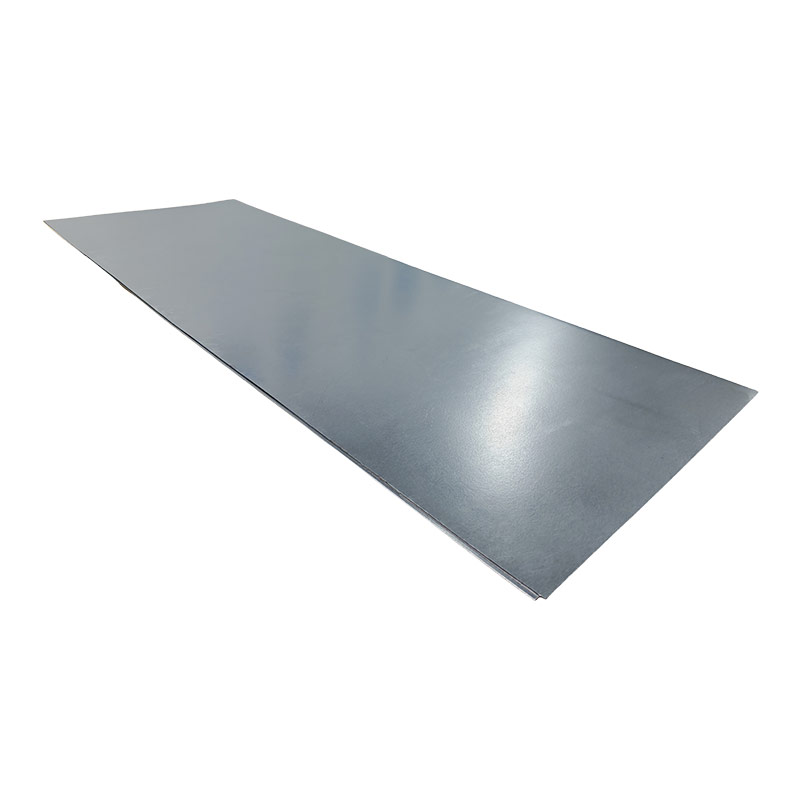
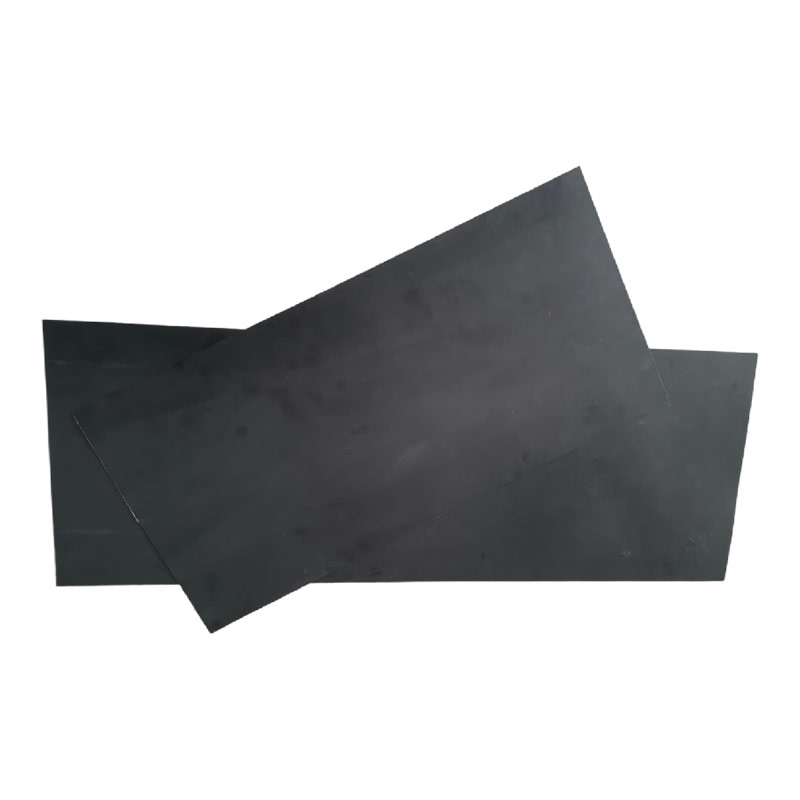
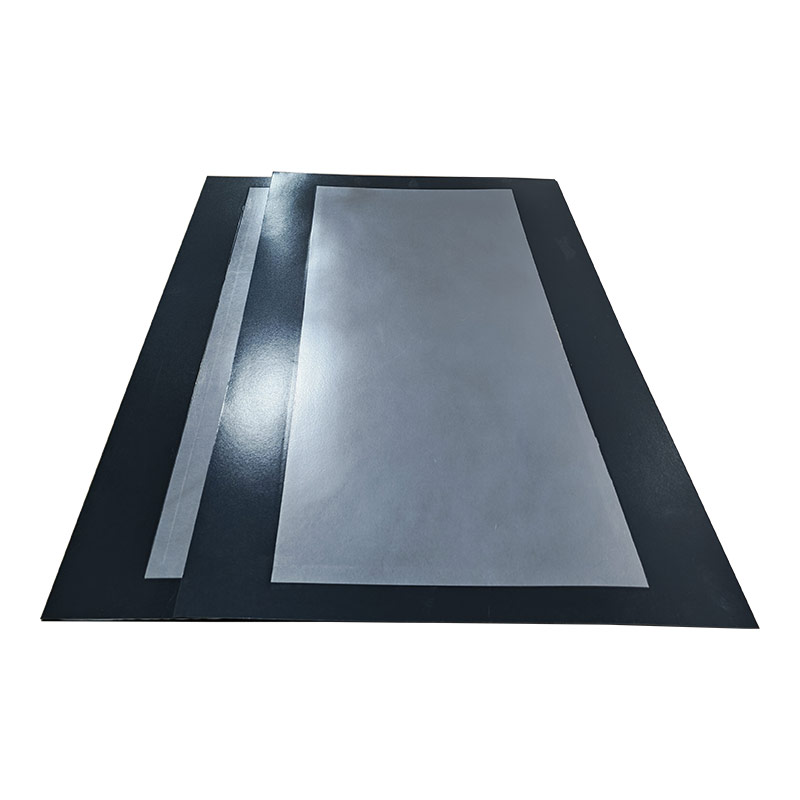
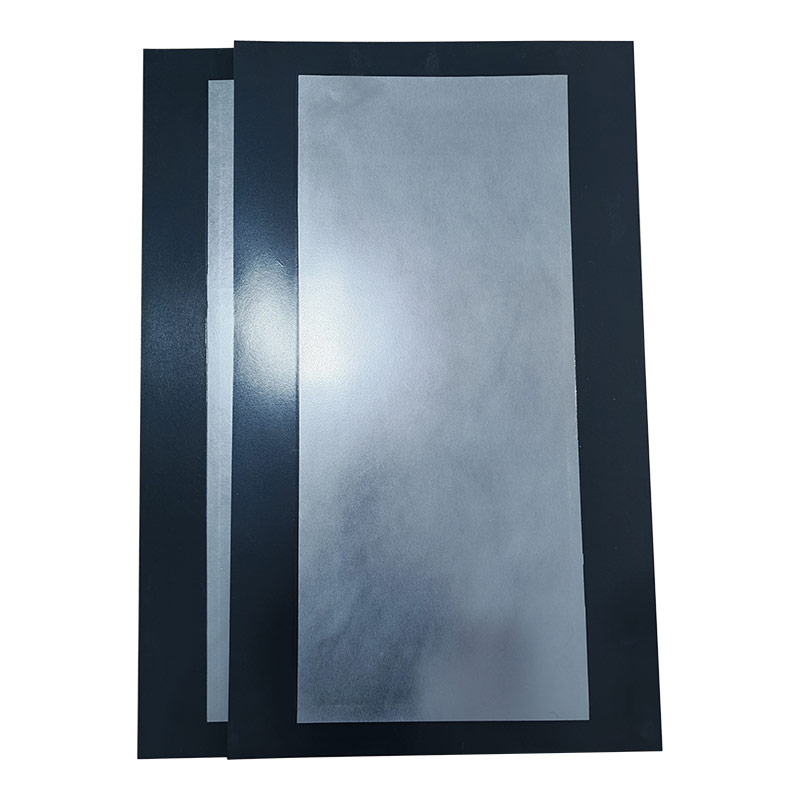
Among these, the hard flow channel plate has emerged as a high-performance solution, offering rigid, precisely machined channels that maintain dimensional stability under the compressive forces and thermal cycling typical in fuel cell stacks. Its structural integrity ensures consistent gas distribution throughout the cell's operational life.
Core Functions of Bipolar Plate Distribution Structures
Bipolar plates serve multiple simultaneous roles within a fuel cell stack. Their distribution structure must be optimized to fulfill all these functions without compromise:
- Gas distribution: Deliver hydrogen and oxidant uniformly across the entire MEA active area to prevent reactant starvation in any cell zone.
- Water management: Remove product water efficiently to prevent flooding while maintaining adequate membrane hydration—critical for proton conductivity.
- Thermal management: Conduct heat away from reaction zones via integrated cooling channels, maintaining cell temperature within the optimal 60–80°C range for PEM fuel cells.
- Electrical conduction: Provide a low-resistance path for electron transport between adjacent cells, with contact resistance ideally below 10 mΩ·cm².
- Structural support: Bear the mechanical clamping load (typically 1–3 MPa) that ensures electrical contact throughout the stack.
Main Flow Field Types and Their Distribution Characteristics
The flow field pattern is the most critical design variable in bipolar plate distribution structure. Each pattern produces a fundamentally different distribution profile:
Parallel Flow Field
Multiple straight channels run in parallel between inlet and outlet manifolds. Pressure drop is low (typically under 5 kPa at standard operating flow rates), making it suitable for large active areas. However, non-uniform flow distribution between channels is a significant weakness—channels with slightly lower resistance receive disproportionately more gas, leading to local reactant depletion and hot spots.
Serpentine Flow Field
A single continuous channel winds back and forth across the plate. This design forces consistent flow velocity through every part of the active area and generates sufficient pressure differential to expel liquid water from the channels. Pressure drops of 20–80 kPa are common depending on channel length and cross-section, which imposes a parasitic pumping load but substantially improves water removal and gas utilization.
Interdigitated Flow Field
Inlet and outlet channels are interleaved but not connected—gas is forced to flow through the gas diffusion layer (GDL) to reach the outlet channels. This convective mass transport enhances oxygen delivery to catalyst sites, boosting performance at high current densities (peak power density improvements of 15–30% compared to serpentine designs have been reported). The trade-off is higher manufacturing complexity and sensitivity to GDL compression.
Pin-Type and 3D Flow Field
Arrays of pins or posts replace conventional channels, creating a highly tortuous flow path. Three-dimensional flow fields, including biomimetic designs inspired by lung structures, achieve excellent uniformity with moderate pressure drop. These structures are increasingly enabled by precision machining of hard flow channel plates, where tight tolerances (±0.01 mm) can be held across complex geometries.
Hard Flow Channel Plate: Structure and Advantages
Hard flow channel plates are manufactured from rigid materials—typically high-density graphite composites, metallic alloys (stainless steel, titanium), or carbon-reinforced polymers—and feature flow channels machined or stamped with high dimensional accuracy. Channel depths typically range from 0.3 mm to 1.5 mm, with rib widths of 0.5–2.0 mm, depending on target power density and operating conditions.
Key structural advantages include:
- Dimensional stability: Hard plates resist deformation under stack clamping pressure, maintaining designed channel cross-sections and preventing flow maldistribution caused by plate warping.
- Surface corrosion resistance: Coated metallic hard plates achieve corrosion current densities below 1 µA/cm² in acidic fuel cell environments, extending stack service life beyond 10,000 hours.
- High thermal conductivity: Graphite-based hard plates achieve in-plane thermal conductivity of 150–300 W/(m·K), enabling rapid heat redistribution and preventing thermal gradients that degrade MEA performance.
- Electrical conductivity: Bulk resistivity of quality hard flow channel plates is typically below 10 mΩ·cm, minimizing ohmic losses across the stack.
- Manufacturability of complex geometries: CNC machining of hard materials allows implementation of advanced distribution structures—including multi-pass serpentine, biomimetic, and gradient channel designs—that are not feasible with soft or flexible plate materials.
Comparison of Bipolar Plate Distribution Structures
| Flow Field Type | Pressure Drop | Water Management | Gas Uniformity | Best Application |
|---|---|---|---|---|
| Parallel | Low (<5 kPa) | Poor | Moderate | Large-area, low-load cells |
| Serpentine | Medium–High (20–80 kPa) | Good | Good | General purpose PEM stacks |
| Interdigitated | High | Excellent | Very Good | High current density operation |
| Pin / 3D | Medium | Good | Excellent | Advanced stack designs |
Key Design Parameters Affecting Distribution Performance
Optimizing the distribution structure of a bipolar plate requires careful balance among several interacting parameters:
Channel Geometry
Channel width-to-depth ratio (aspect ratio) influences both pressure drop and water removal. Aspect ratios between 1:1 and 1:2 (width:depth) are common in hard flow channel plates for PEM applications. Narrower channels increase gas velocity and improve water expulsion but raise parasitic losses. A channel width of 1 mm paired with a 0.8 mm depth represents a widely used compromise for automotive-grade stacks.
Rib Width and Contact Area
Ribs between channels serve as both current collectors and structural supports. Wider ribs reduce electrical resistance but block gas access to the GDL beneath them, creating concentration gradients. Rib-to-channel ratios typically range from 0.8:1 to 1.2:1 in optimized designs. Hard plates maintain this ratio consistently under compression, unlike softer materials that may deform.
Manifold and Inlet Design
The manifold distributes flow from external piping to individual channels. Z-type and U-type manifold configurations are most common. Z-type manifolds produce inherently non-uniform distribution but are simpler to fabricate; U-type configurations—where inlet and outlet are on the same side—improve flow uniformity by 30–50% in parallel channel arrays. Hard plate manufacturing enables precision manifold geometries that further homogenize distribution.
Active Area Scaling
As active area increases (from small research cells at 25 cm² to automotive cells at 300–400 cm²), achieving uniform distribution becomes progressively more challenging. Hard flow channel plates with multi-pass or graduated channel designs maintain acceptable uniformity across large active areas, whereas simpler designs suffer increasing non-uniformity with scale.
Impact of Distribution Structure on Fuel Cell Durability
Uneven distribution does not merely reduce efficiency—it accelerates degradation. Zones with insufficient reactant supply experience carbon corrosion and platinum dissolution at the cathode, leading to irreversible MEA damage. Studies indicate that local current density variations exceeding ±20% of the mean value can reduce MEA lifetime by 30–40% under dynamic load cycling conditions.
Hard flow channel plates contribute directly to durability by:
- Maintaining channel geometry throughout thousands of thermal and mechanical cycles, preventing progressive worsening of distribution uniformity.
- Providing corrosion-resistant surfaces that do not contaminate the MEA with metallic ions, which can poison platinum catalysts even at concentrations of parts per billion.
- Enabling precise coolant channel integration alongside reactant channels, preventing localized overheating that accelerates membrane degradation.
Frequently Asked Questions
Q1: What is the primary role of bipolar plate distribution structure in a fuel cell?
It controls how hydrogen, air, and coolant are spread across the MEA. Uniform distribution maximizes active area utilization and prevents local degradation, directly determining cell efficiency and lifespan.
Q2: Why are hard flow channel plates preferred over soft or flexible plates in high-performance stacks?
Hard plates maintain channel dimensions under clamping pressure and thermal cycling, ensuring consistent gas distribution. They also support more complex flow field geometries with tighter tolerances than flexible alternatives.
Q3: Which flow field pattern provides the best water management?
Interdigitated flow fields offer superior liquid water removal by forcing convective flow through the GDL. Serpentine designs are a strong second choice, commonly used where balance between water management and pressure drop is needed.
Q4: How does channel depth affect fuel cell performance?
Deeper channels lower pressure drop but reduce gas velocity, potentially impairing water removal. Shallower channels increase velocity and improve flooding resistance but raise parasitic pumping losses. Most commercial stacks use depths between 0.5 mm and 1.2 mm.
Q5: Can the same bipolar plate distribution structure be used for both hydrogen and air sides?
Not always optimally. The cathode (air side) requires more aggressive water management due to higher water production rates, so interdigitated or multi-pass serpentine designs are often preferred there, while the anode may use simpler parallel or single-serpentine patterns.
Q6: What materials are commonly used for hard flow channel plates?
High-density graphite composites, coated stainless steel (with gold, titanium nitride, or carbon coatings), and titanium alloys are the most widely used materials, each balancing conductivity, corrosion resistance, and machinability.