


 English
  中文简体
中文简体
Content
- 1 What Are Electrode Composite Materials and What Properties Define Them?
- 2 Carbon-Based Electrode Materials: Graphite, Carbon Fiber, and Their Roles
- 3 Conductive Electrode Materials and the Importance of Porous Architectures
- 4 Electrode Materials for Batteries: The Composite Approach to Higher Performance
- 5 Electrode Materials for Hydrogen Production and Emerging Electrochemical Applications
Electrode composite materials are engineered multi-component solids designed to conduct electricity and drive electrochemical reactions at the interface between an electronic conductor and an ionic conductor. In contrast to single-phase electrodes, composites combine a conductive scaffold—typically carbon—with an active material that stores charge or catalyzes a reaction, all held together by a binder and permeated by a pore network. The design challenge is to maximize three performance metrics simultaneously: electrical conductivity, ionic transport, and specific surface area. A high-performing composite electrode in a lithium-ion battery, a hydrogen electrolyzer, or a redox flow cell achieves this by structuring materials at the micron and sub-micron scale, ensuring that electrons, ions, and reactant molecules all reach the active sites with minimal resistance. The growing demand for fast-charging batteries, green hydrogen, and efficient electrochemical sensors has made the precise formulation of composite electrodes one of the most active areas of materials research, directly linking the choice of carbon source, active particle morphology, and processing method to the final device performance.
What Are Electrode Composite Materials and What Properties Define Them?
What are electrode composite materials at the structural level? They consist of at least two functional phases: a continuous electronic conductor that forms a pathway for electrons to reach the current collector, and an active material phase where the charge-transfer reaction occurs. In many practical designs, a third polymeric binder phase provides mechanical integrity, and a controlled pore phase allows the liquid electrolyte to wet the entire structure. The target composite electrode materials properties are not simply the weighted average of the components; they emerge from the way the phases are distributed. A well-formulated composite creates percolating networks where every active particle is within a few microns of both a conductive pathway and an electrolyte-filled pore. Key measurable properties include the electronic conductivity (often targeted above 1 S/cm for high-rate electrodes), the ionic tortuosity (lower is better, as it reduces the diffusion path length), the specific surface area accessible to the electrolyte, and the mechanical adhesion to the current collector. The balance between these properties determines whether an electrode can deliver high power, high capacity, or long cycle life.
Processing plays as large a role as composition. The same graphite and lithium iron phosphate powder can produce a sluggish electrode or a high-rate one depending on the mixing sequence, solvent choice, and calendering pressure. Over-calendering crushes porosity and improves electronic contact but chokes off ionic transport, while insufficient calendering leaves the electronic network poorly connected. The study of electrochemical electrode materials therefore encompasses not just the chemistry but the full manufacturing chain from slurry formulation to final electrode architecture.
Carbon-Based Electrode Materials: Graphite, Carbon Fiber, and Their Roles
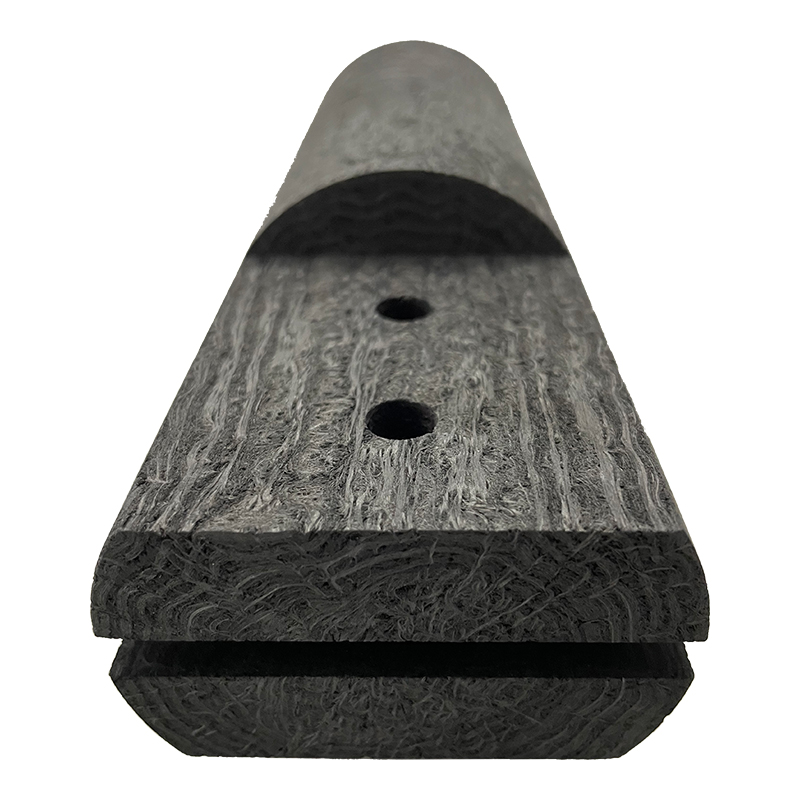
Carbon is the backbone of the vast majority of composite electrodes because it is conductive, chemically stable, and available in an enormous range of morphologies. Carbon based electrode materials fall into several categories, each suited to different electrochemical duties. The workhorse graphite electrode materials applications span from the anode of lithium-ion batteries, where graphite intercalates lithium ions with a specific capacity of 372 mAh/g, to large-format electrodes for electric arc furnaces in steelmaking, where graphite's thermal shock resistance and conductivity at extreme temperatures are essential. In composites, graphite powder provides a flake-like conductive additive that slides under calendering pressure to form good interparticle contacts. Synthetic graphite offers higher purity than natural flake, which is critical in battery applications where metallic impurities can cause internal short circuits.
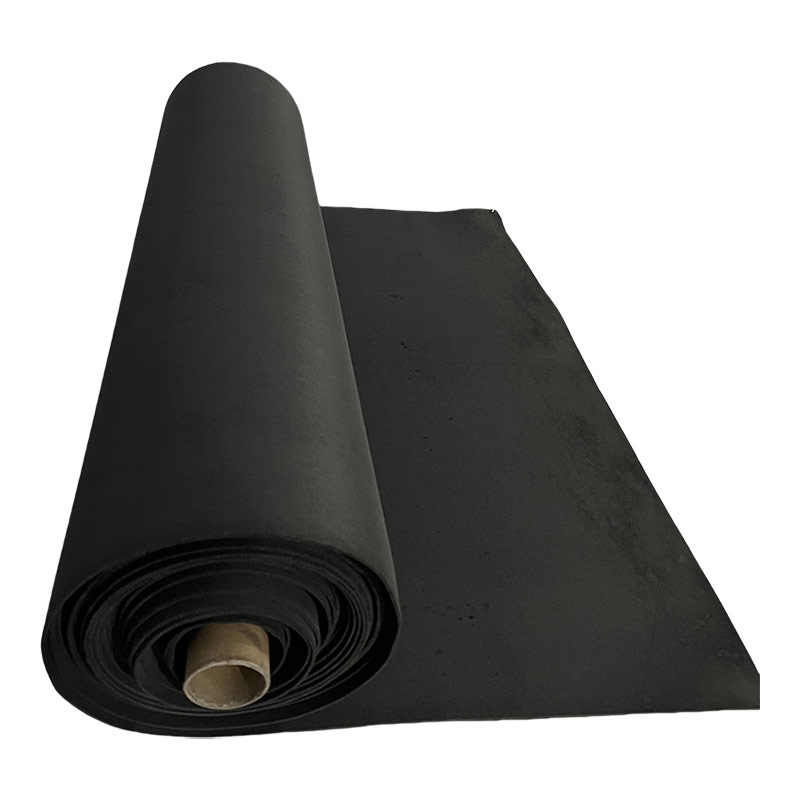
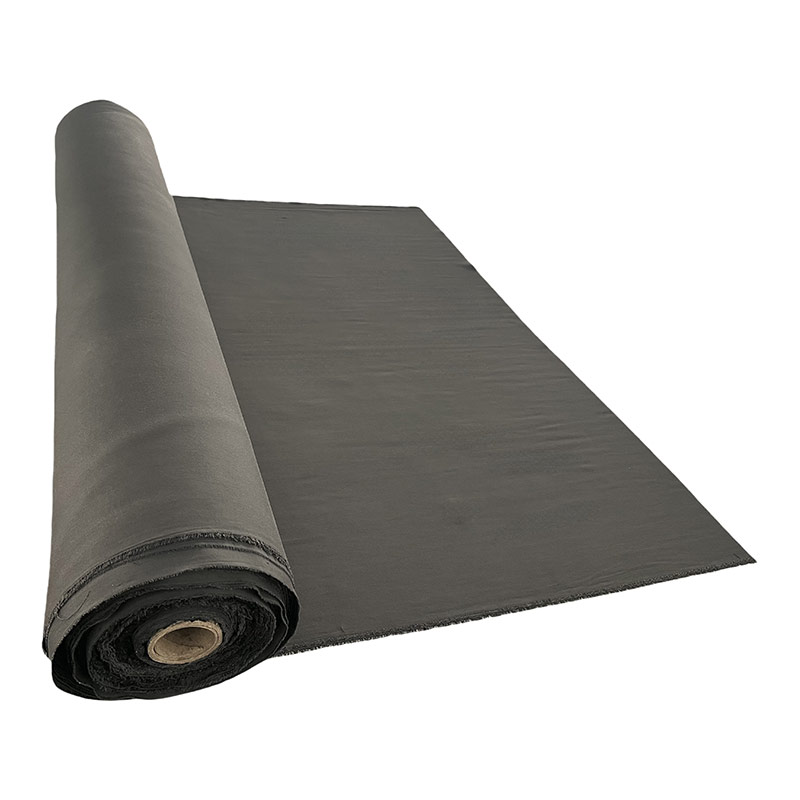
Carbon fiber electrode materials bring mechanical reinforcement and a one-dimensional conductive pathway to electrode designs. Chopped carbon fibers mixed into a composite electrode create long-range electron highways that reduce the overall percolation threshold. This is particularly valuable in thick electrodes, where a purely point-contact network of carbon black becomes resistive over millimeter-scale lengths. Carbon fibers are also used as standalone electrode substrates: carbon felt electrode applications include the electrodes in vanadium redox flow batteries, where a high-surface-area, porous carbon felt provides the sites for the vanadium redox reactions while conducting electrons to the bipolar plate. These felts are typically activated by heat or acid treatment to introduce oxygen functional groups that catalyze the charge transfer. The porosity, fiber diameter, and surface chemistry of the felt directly control the flow battery's power density and efficiency.
Conductive Electrode Materials and the Importance of Porous Architectures
A conductive electrode materials network must simultaneously carry electrons and allow electrolyte penetration. Carbon black—typically acetylene black or Ketjenblack—is the most widely used conductive additive in battery and supercapacitor electrodes. Its primary particles are on the order of 20–50 nm, forming fractal aggregates that create a chain-like conductive network at loadings as low as 2–5 wt%. However, carbon black alone is insufficient in thick or high-rate electrodes, which is why composite formulations often blend it with larger graphite flakes or carbon fibers to establish conductivity across multiple length scales.
Porous electrode materials are essential because the electrode reaction occurs at the solid-liquid interface. A non-porous electrode restricts the reaction to its geometric surface, whereas a porous electrode with a specific surface area of 100–1,000 m²/g extends the reaction zone throughout its volume. The pore size distribution must be controlled: macropores (>50 nm) serve as electrolyte reservoirs, mesopores (2–50 nm) facilitate ion transport, and micropores (<2 nm) can provide additional charge storage in supercapacitors via electric double-layer capacitance. In a composite electrode, the pore structure is largely determined by the packing of the primary particles and the amount of binder, with the final calendering step providing fine-tuning. Electrode porosity typically ranges from 30% to 50% for battery electrodes, balancing ionic transport with volumetric energy density.
Electrode Materials for Batteries: The Composite Approach to Higher Performance
The formulation of electrode materials for batteries is the most commercially significant application of composite electrode technology. In a lithium-ion battery cathode, a composite electrode mixes the active material—such as NMC (lithium nickel manganese cobalt oxide) or LFP (lithium iron phosphate)—with a carbon conductive additive and a PVDF binder, coated onto an aluminum current collector. The proportion of active material, known as the electrode loading, directly determines the cell's energy density, while the ratio of conductive additive and the resulting porosity set the power capability. A high-energy cell might use 96–98 wt% active material with minimal carbon and low porosity, while a high-power cell drops the active loading to 90–92 wt% and increases both the carbon content and porosity to reduce internal resistance.
Silicon-based anodes highlight why composite design is critical. Silicon offers a theoretical capacity of 3,579 mAh/g, nearly ten times that of graphite, but it undergoes a volume expansion of up to 300% during lithiation. A pure silicon electrode would pulverize within a few cycles. The composite solution embeds silicon nanoparticles within a carbon matrix that accommodates the expansion while maintaining electrical contact. This carbon-silicon composite is one of the most intensively researched electrode composite materials, and commercial cells now routinely blend a small percentage of silicon oxide into graphite anodes to boost capacity while preserving cycle life. Solid-state batteries add another layer of composite complexity: the electrode must incorporate a solid electrolyte powder alongside the active material and conductive carbon, creating a three-phase composite where the solid electrolyte replaces the liquid electrolyte as the ionic conductor.
Electrode Materials for Hydrogen Production and Emerging Electrochemical Applications
Electrode materials for hydrogen production via water electrolysis represent a different set of composite design challenges. In a proton exchange membrane (PEM) electrolyzer, the anode catalyst layer is a composite of iridium oxide nanoparticles and a proton-conducting ionomer, coated onto a porous titanium transport layer. The catalyst, ionomer, and pore network must be co-optimized to deliver the high current densities—2–3 A/cm²—required for economical green hydrogen production. The composite must also survive the highly oxidative environment of oxygen evolution at potentials above 1.5 V versus the reversible hydrogen electrode. Carbon is generally avoided on the anode side because it corrodes at these potentials, so the composite relies on the ionomer and the metal oxide catalyst itself for structural integrity.
In alkaline electrolyzers and emerging anion exchange membrane systems, electrochemical electrode materials based on non-precious metals become viable. Nickel-iron or nickel-molybdenum composites deposited on a porous nickel substrate form efficient, low-cost electrodes for hydrogen and oxygen evolution. The composite structure increases the active surface area and provides a three-dimensional reaction zone. Beyond electrolysis, carbon felt electrode applications extend to electrochemical sensors, capacitive deionization for water desalination, and microbial fuel cells. In each case, the composite electrode translates a tailored combination of carbon, catalyst, binder, and pore structure into a device that performs a specific electrochemical function with efficiency and durability. The ongoing convergence of materials science, manufacturing process control, and electrochemical engineering continues to push composite electrodes toward higher performance, lower cost, and new applications.