


 English
  中文简体
中文简体
Content
- 1 1. Introduction: The Growing Need for Advanced Materials in Automotive Manufacturing
- 2 2. Key Advantages of Conductive Hot Melt Adhesive Web Films in Automotive Applications
- 3 3. Applications of Conductive Hot Melt Adhesive Web Films in Automotive Systems
- 4 4. Comparison of Conductive Hot Melt Adhesive Web Films and Traditional Bonding Methods in Automotive Applications
- 5 5. Summary
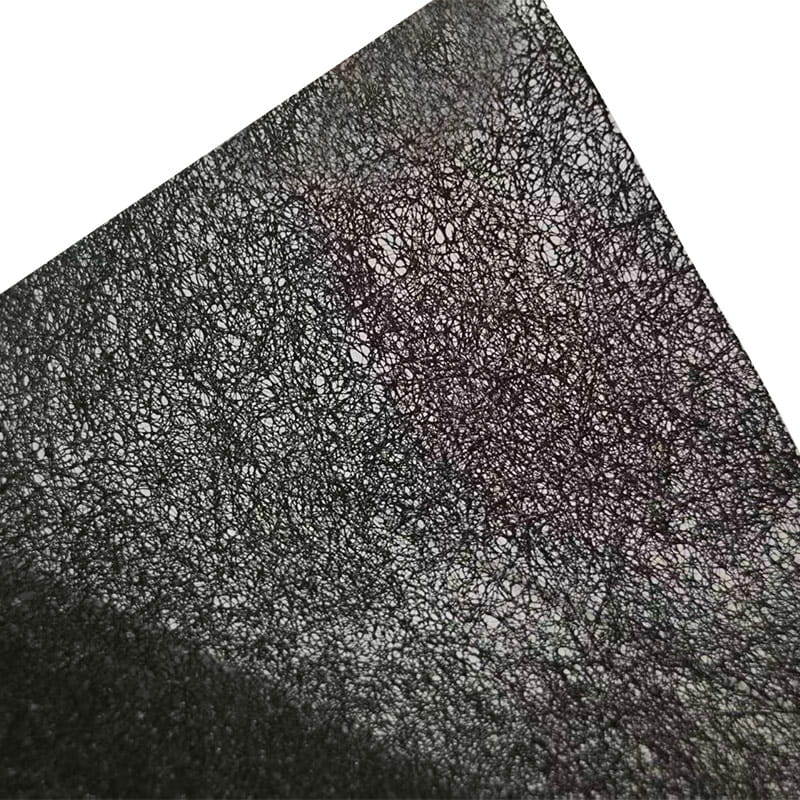
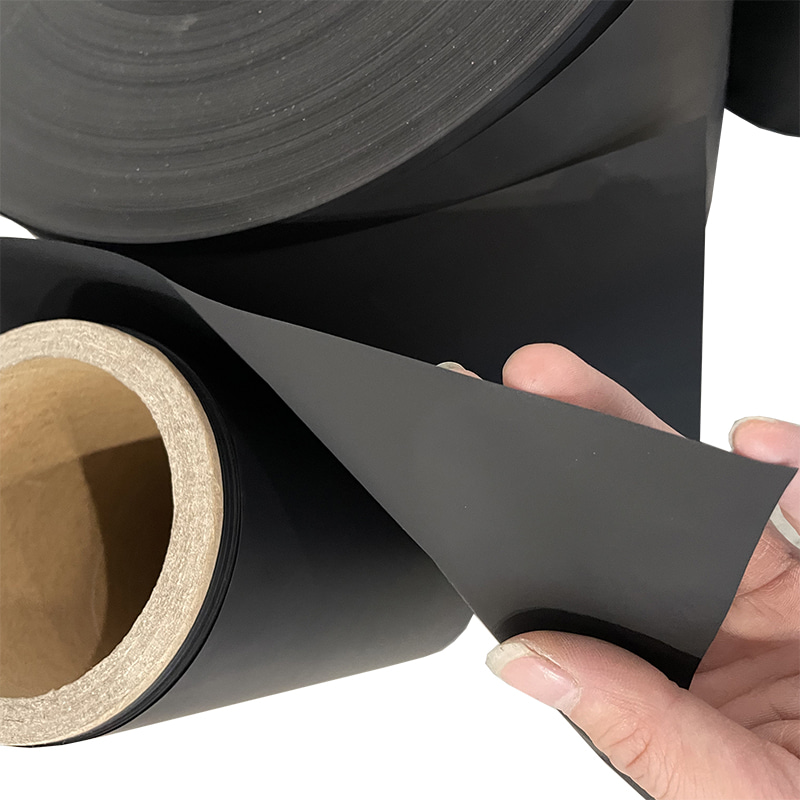
In the automotive industry, the integration of advanced materials that enhance functionality and performance is critical to meeting the increasing demand for more efficient, reliable, and sustainable vehicles. One such material that has gained significant traction is conductive hot melt adhesive web film. This technology, which combines the bonding capabilities of hot melt adhesives with the conductivity required for modern automotive applications, is poised to become a key enabler in automotive manufacturing processes.
1. Introduction: The Growing Need for Advanced Materials in Automotive Manufacturing
The automotive industry is undergoing rapid transformations driven by advancements in electrification, automation, and connectivity. As manufacturers move toward electric and autonomous vehicles, the complexity of electrical systems has grown. This has created a need for specialized materials that can perform under extreme conditions while maintaining robust electrical connections. Conductive hot melt adhesive web film stands out as one of the key materials that meets these evolving demands.
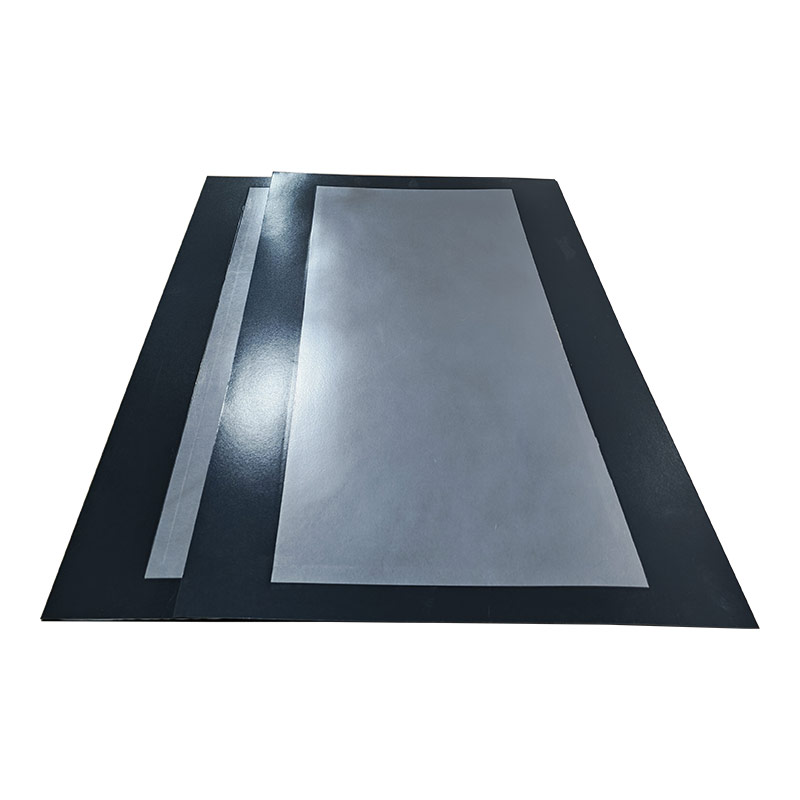
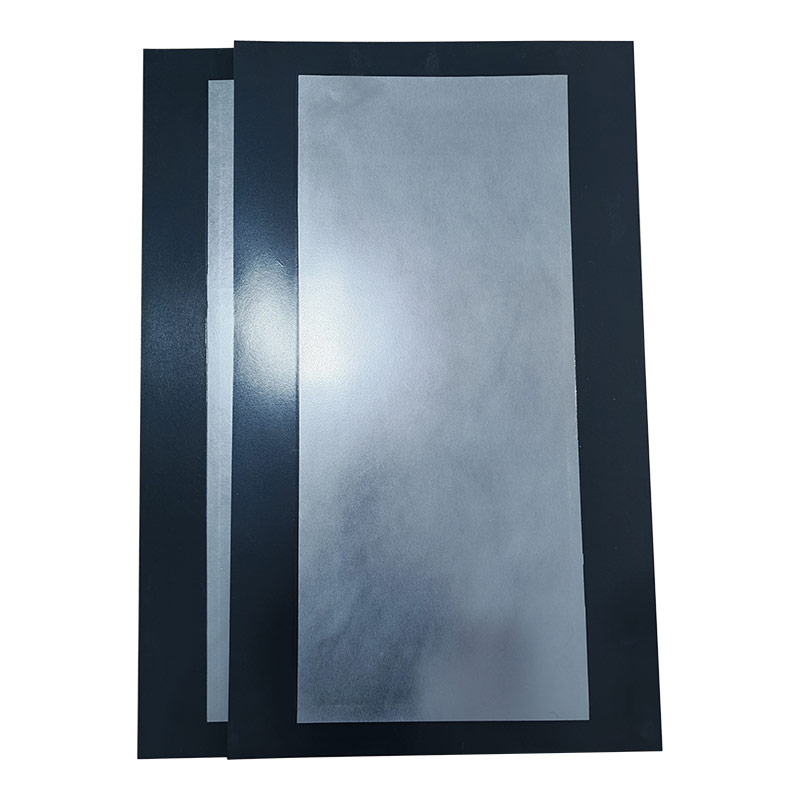
Conductive hot melt adhesive web films are versatile, providing an effective means of bonding components while simultaneously offering electrical conductivity. This dual functionality makes them particularly suitable for applications where both mechanical bonding and electrical connections are essential, such as in battery packs, wiring systems, and sensors.
2. Key Advantages of Conductive Hot Melt Adhesive Web Films in Automotive Applications
2.1 Enhanced Efficiency in Electrical Assembly
One of the primary advantages of conductive hot melt adhesive web films is their ability to streamline the assembly process in automotive manufacturing. The traditional methods of connecting electrical components often involve complex soldering or the use of multiple materials, which can increase both labor costs and production time. By using conductive adhesive films, manufacturers can simplify the process by creating both mechanical and electrical bonds in a single step. This reduces the need for additional equipment and tools, leading to faster production times and lower manufacturing costs.
The adhesive film is applied precisely where it is needed, providing a clean and controlled bonding process. This precision reduces waste and ensures consistent performance across all units.
2.2 Robust Electrical Conductivity
In automotive applications, the need for reliable electrical conductivity is critical. Conductive hot melt adhesive web films are specifically designed to maintain stable electrical performance under a variety of operating conditions, including extreme temperatures and humidity. The conductive properties of the adhesive films make them ideal for use in electrical connections, such as those in battery modules, sensors, and other critical components that require consistent electrical pathways.
The high conductivity ensures that electrical signals pass through the components without significant loss, which is essential for the performance of modern automotive systems, particularly in electric and hybrid vehicles.
2.3 Improved Thermal Performance
Automotive systems, especially electric vehicle (EV) battery packs and powertrains, generate a significant amount of heat. Effective heat dissipation is necessary to ensure the longevity and safety of these systems. Conductive hot melt adhesive web films offer enhanced thermal conductivity, helping to dissipate heat away from sensitive components. This is particularly beneficial in high-power electronics where heat buildup can reduce the efficiency of the system or cause damage to components.
The adhesive films also help in reducing the number of mechanical fasteners required, which can further contribute to improved heat dissipation by eliminating points of thermal resistance.
2.4 Flexibility and Durability
Flexibility is another key benefit of conductive hot melt adhesive web films in automotive applications. The automotive industry demands materials that can withstand the mechanical stresses caused by vibrations, temperature changes, and other environmental factors. Conductive hot melt adhesive web films offer superior flexibility, allowing them to maintain their bonding integrity even when subjected to these stresses.
This durability ensures that the electrical connections made with these films remain reliable over the lifespan of the vehicle, reducing the need for repairs or replacements. The long-lasting nature of these adhesives helps improve the overall reliability and performance of automotive electrical systems.
2.5 Simplified Design and Compact Integration
In modern automotive design, space is often at a premium, particularly in electric vehicles, where battery packs and electrical components need to be compact and efficient. Conductive hot melt adhesive web films allow for a more compact design by eliminating the need for bulky connectors or additional components typically used for electrical bonding. These films are thin, lightweight, and highly customizable, making them ideal for applications where space and weight savings are critical.
Additionally, their ability to bond multiple components together in a single process reduces the number of individual parts, which simplifies the overall design and assembly process.
3. Applications of Conductive Hot Melt Adhesive Web Films in Automotive Systems
3.1 Battery Packs and Power Distribution Units (PDUs)
The demand for efficient energy storage solutions in electric vehicles has led to an increased focus on the development of advanced battery technologies. Conductive hot melt adhesive web films play a key role in the assembly of battery packs and PDUs by providing reliable electrical connections between cells, modules, and external circuits. Their ability to conduct electricity while bonding different components ensures that the power distribution system operates efficiently.
3.2 Electrical Connectors and Sensors
Automotive electrical systems rely on a wide range of sensors and connectors to ensure optimal performance. From temperature sensors to pressure sensors, these components need to be electrically connected with precision. Conductive hot melt adhesive web films offer a robust solution for these applications, ensuring consistent electrical conductivity while minimizing the risk of failure.
3.3 Wiring Systems
Automotive wiring systems, particularly in EVs and autonomous vehicles, are complex and require high-performance materials to ensure that signals and power are transmitted effectively. Conductive hot melt adhesive web films help to secure wires and cables in place while maintaining the necessary electrical connections, all without the need for traditional soldering or mechanical fasteners.
3.4 Electric Motor Assemblies
Electric motors used in electric and hybrid vehicles require high levels of precision in their electrical connections. Conductive hot melt adhesive web films are used to bond various motor components while also providing a conductive pathway for the electrical signals required for the motor’s operation.
4. Comparison of Conductive Hot Melt Adhesive Web Films and Traditional Bonding Methods in Automotive Applications
To further understand the advantages of conductive hot melt adhesive web films over traditional methods, the following table outlines key differences between these materials:
| Property | Conductive Hot Melt Adhesive Web Film | Traditional Bonding Methods (e.g., Soldering) |
|---|---|---|
| Electrical Conductivity | High conductivity for stable electrical performance | Varies; typically requires additional conductive materials |
| Assembly Speed | Fast application, no curing time required | Time-consuming, requires soldering iron and cooling period |
| Cost Efficiency | Lower cost due to simplified process and fewer components | Higher due to labor-intensive process and material costs |
| Flexibility | Flexible, ideal for vibrating and moving components | Rigid, may fail under mechanical stress or vibrations |
| Temperature Resistance | Suitable for high-temperature applications | May degrade at high temperatures, limiting its use in some automotive systems |
| Space Efficiency | Compact, eliminates need for additional fasteners or connectors | Takes up more space due to connectors and fasteners |
| Durability | Long-lasting bonds under various environmental conditions | Can degrade over time, especially under high thermal or mechanical stress |
5. Summary
The automotive industry is increasingly turning to advanced materials to meet the evolving demands of vehicle performance, particularly in electric and connected vehicles. Conductive hot melt adhesive web films offer numerous advantages, including enhanced efficiency in electrical assembly, robust electrical conductivity, improved thermal performance, flexibility, and compact design integration. Their applications range from battery packs and power distribution units to sensors and electric motor assemblies, making them a versatile and essential material in modern automotive manufacturing.
As the automotive industry continues to innovate and evolve, the role of conductive hot melt adhesive web films will likely expand, offering further opportunities for improved performance, sustainability, and cost-effectiveness in the production of next-generation vehicles.
6. FAQ
Q1: What makes conductive hot melt adhesive web films better than traditional bonding methods?
A1: Conductive hot melt adhesive web films combine the benefits of electrical conductivity and strong bonding in a single solution, simplifying the assembly process and reducing the need for multiple materials and tools.
Q2: Can conductive hot melt adhesive web films be used in high-temperature automotive applications?
A2: Yes, these adhesive films are designed to perform reliably in high-temperature environments, making them suitable for automotive applications where heat dissipation is critical, such as in battery packs and powertrains.
Q3: Are conductive hot melt adhesive web films suitable for electric vehicles?
A3: Absolutely. The films are ideal for electric vehicles, where efficient electrical connections, heat dissipation, and space-saving designs are essential.
Q4: How do conductive hot melt adhesive web films contribute to vehicle reliability?
A4: By providing durable, flexible, and long-lasting bonds, these films ensure that electrical connections remain intact under challenging conditions, reducing the need for repairs and enhancing vehicle reliability.
7. References
- Automotive Technology Journal, 2023. “Advancements in Electrical Materials for Automotive Applications.”
- International Journal of Automotive Engineering, 2022. “Conductive Materials in Electric Vehicle Design.”
- SAE International, 2021. “Hot Melt Adhesives in Automotive Manufacturing: Applications and Benefits.”