


 English
  中文简体
中文简体
Content
- 1 Introduction
- 2 Electrode Cloth: A Brief Overview
- 3 Electrode Cloth in Lithium-Ion Batteries
- 4 Electrode Cloth in Supercapacitors
- 5 Electrode Cloth in Fuel Cells
- 6 Graphene Electrode Cloth: Cutting-Edge Applications and Innovations
- 7 Electrode Cloth Manufacturing Process and Material Selection
- 8 Electrode Cloth in Other Electrochemical Systems
- 9 Conclusion
Introduction
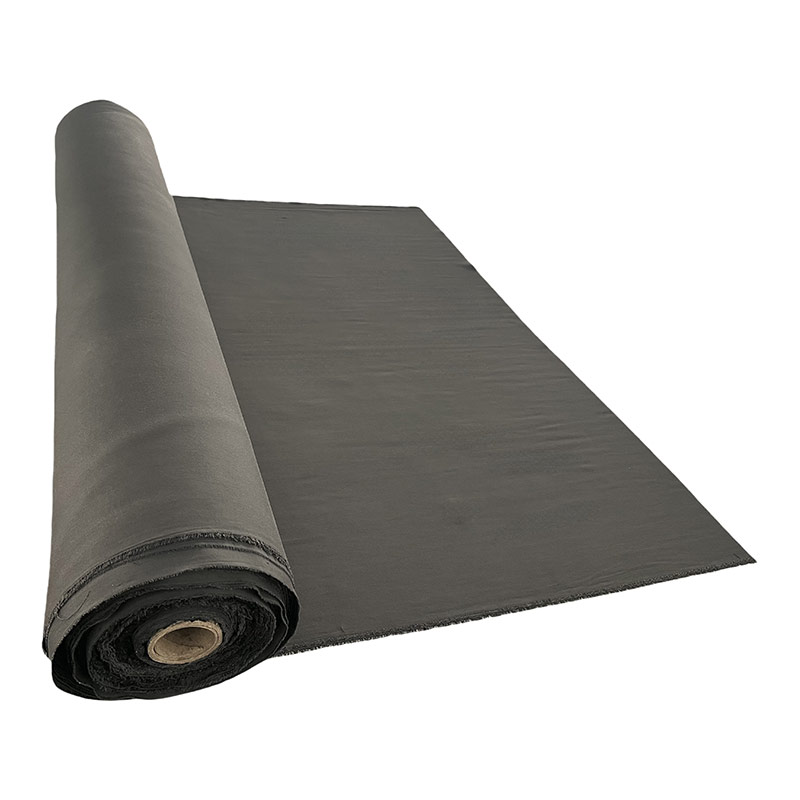
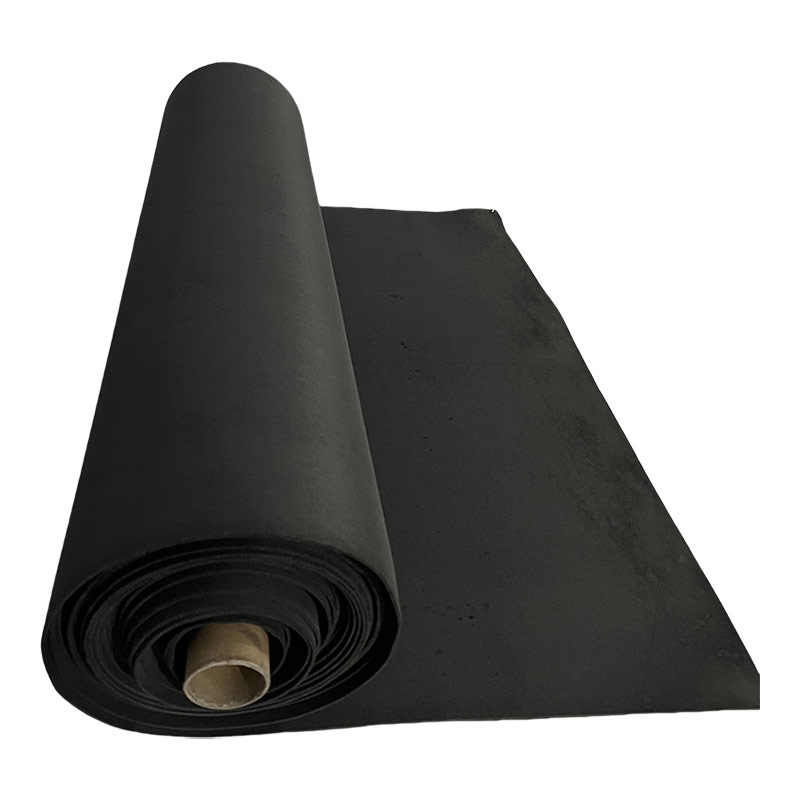
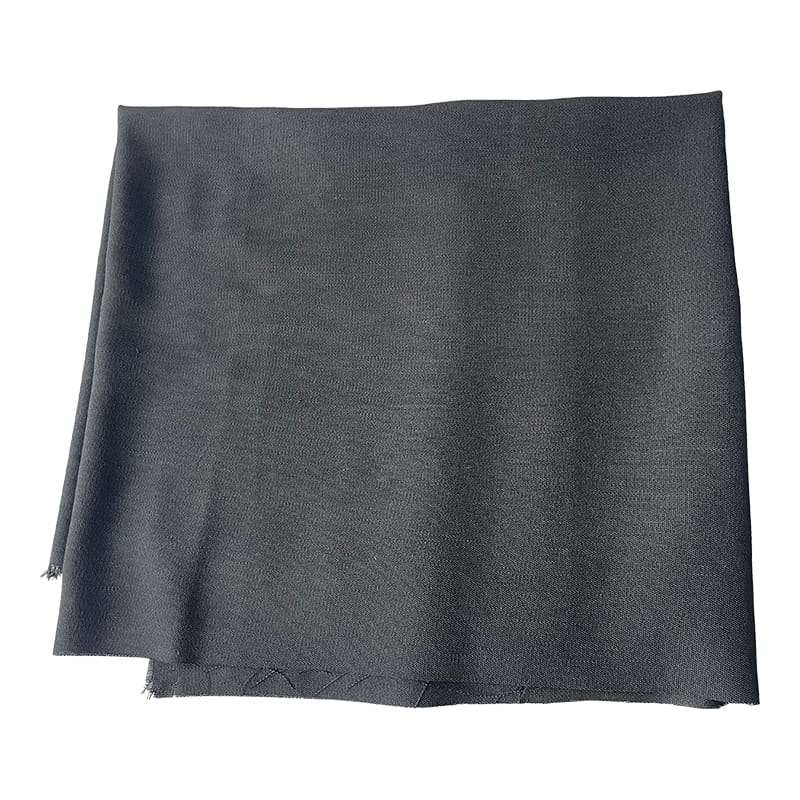
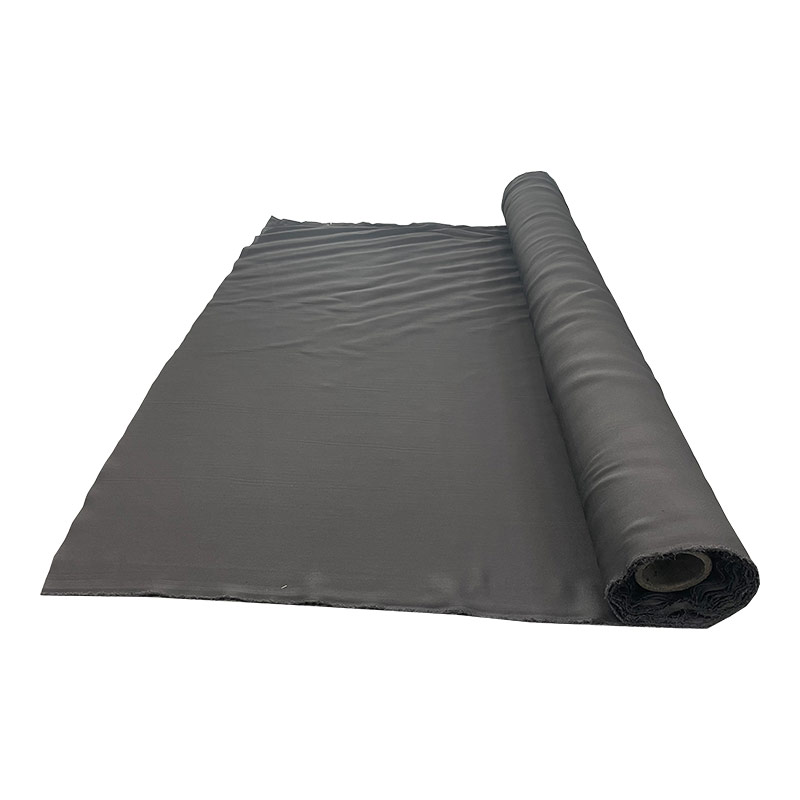
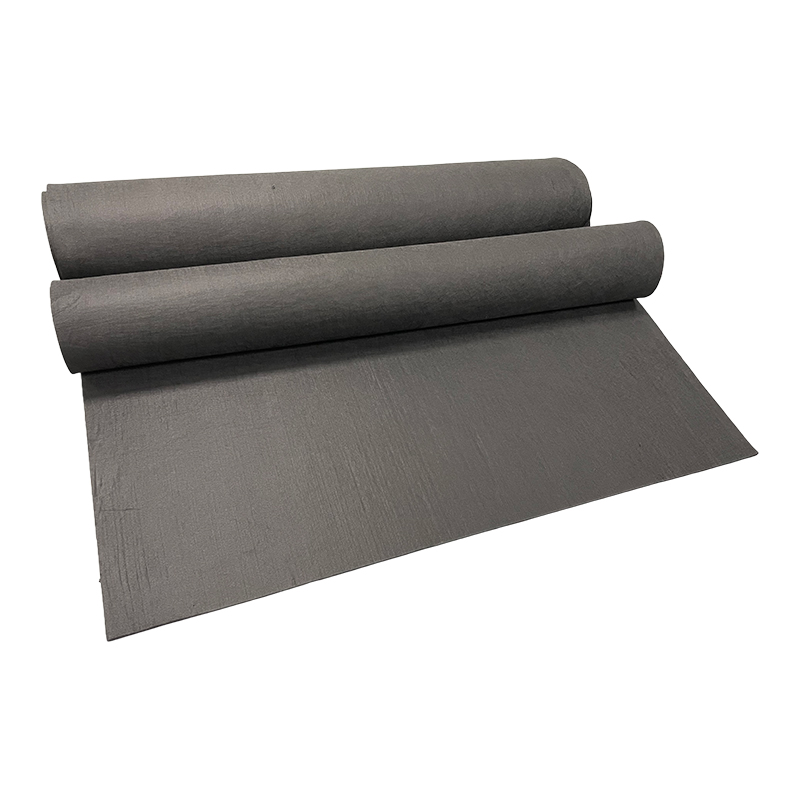
Electrode cloth, essential in electrochemical applications like batteries, supercapacitors, and fuel cells, enhances performance and longevity. Made from carbon-based materials, graphene, or metal oxides, it provides conductivity, stability, and hydrophobic properties. With the growing demand for renewable energy, particularly in lithium-ion batteries and fuel cells, electrode cloths are crucial for improving efficiency. Their resistance to moisture ensures stability, preventing reduced performance or failure in systems like fuel cell electrodes or electrolytic cells.
Electrode Cloth: A Brief Overview
Electrode cloth is a highly specialized material used primarily in electrochemical systems such as lithium-ion batteries, supercapacitors, and fuel cells. It acts as a conductive medium, facilitating the transfer of ions between the electrodes, while providing mechanical support and stability during the charge and discharge cycles.
The core components of electrode cloth typically include carbon fibers, which ensure high conductivity and strength, and sometimes graphene or metal oxides, which further enhance their performance. The manufacturing process varies, with some electrode cloths being woven or coated with thin layers of conductive material.
Electrode Cloth in Lithium-Ion Batteries
Lithium-ion batteries are the backbone of modern energy storage solutions, powering everything from smartphones to electric vehicles. The role of electrode cloth in these batteries is crucial, as it directly influences their performance, lifespan, and energy density.
How Lithium-Ion Batteries Work
At the heart of a lithium-ion battery, there are two electrodes: the anode and the cathode, both of which are immersed in an electrolyte solution. During discharge, lithium ions move from the anode to the cathode, and electrons flow through an external circuit, powering devices. During charging, this process is reversed.
Electrode cloth serves as a support structure for these electrodes, facilitating ion and electron transfer while providing stability throughout the battery’s charge/discharge cycles. The performance of the electrode cloth is directly tied to the efficiency of the ion movement, making it an essential element for optimizing battery performance.
The Role of Electrode Cloth in Lithium-Ion Batteries
In lithium-ion batteries, electrode cloth enhances the energy density and extends the lifespan of the battery. The conductivity of the cloth ensures efficient electron transfer, while its structural integrity helps to maintain the stability of the electrode materials over thousands of charge cycles.
Moreover, the hydrophobic nature of the electrode cloth prevents the absorption of moisture, which can lead to corrosion or degradation of battery components. This ensures that the batteries perform at optimal levels over a longer period.
Performance Comparison of Electrode Cloth in Lithium-Ion Batteries
| Performance Metrics | Carbon Electrode Cloth | Graphene Electrode Cloth | Traditional Electrode Cloth |
|---|---|---|---|
| Conductivity | High | Extremely High | Medium |
| Stability | Moderate | High | Moderate |
| Lifespan | Long | Very Long | Short |
Electrode Cloth in Supercapacitors
Supercapacitors, also known as ultracapacitors, are energy storage devices that store electrical energy through electrostatic charge, rather than chemical reactions like batteries. They are known for their ability to charge and discharge rapidly, making them ideal for applications requiring high power over short durations, such as in regenerative braking systems and energy harvesting.
Characteristics and Advantages of Supercapacitors
Unlike batteries, supercapacitors store energy physically in an electric field created between two electrodes. They have a high power density, meaning they can deliver energy quickly, but their energy density (the total energy they can store) is lower than that of traditional batteries.
Despite this, supercapacitors excel in applications where quick bursts of energy are needed. For instance, they are commonly used to provide power for brief but intense energy demands, such as in electric vehicles during acceleration or in grid storage for stabilizing voltage fluctuations.
The Role of Electrode Cloth in Supercapacitors
The efficiency of a supercapacitor is largely influenced by the material used for the electrodes. Electrode cloths, especially those made of high-conductivity carbon or graphene, are essential for maximizing the performance of supercapacitors. The fabric’s conductivity allows for faster electron transfer, while its structure provides the mechanical support needed for the high pressure created during rapid charging and discharging cycles.
The high surface area and porosity of the electrode cloth further enhance the supercapacitor’s energy storage capabilities, enabling it to store more energy in a given volume. Additionally, the hydrophobic properties of the electrode cloth prevent the absorption of moisture, maintaining the stability of the device and ensuring consistent performance over time.
Electrode Cloth Applications in Supercapacitors
| Electrode Cloth Type | Energy Density | Power Density | Cycle Life |
|---|---|---|---|
| High-Conductivity Carbon | High | Extremely High | Very Long |
| Graphene Electrode Cloth | Moderate | High | Very Long |
| Standard Carbon Cloth | Medium | Moderate | Short |
Electrode Cloth in Fuel Cells
Fuel cells are devices that convert chemical energy into electrical energy through an electrochemical reaction between hydrogen (or other fuels) and oxygen. Unlike batteries, which store energy, fuel cells continuously produce energy as long as they are supplied with fuel and oxidant. Fuel cells are considered a clean energy source, as they only emit water vapor and heat as byproducts, making them highly attractive for a range of applications, from portable devices to vehicles and stationary power generation.
How Fuel Cells Work
In a typical hydrogen fuel cell, hydrogen molecules are split into protons and electrons at the anode, while oxygen molecules are reduced at the cathode. The electrons flow through an external circuit, creating an electric current, while the protons pass through an electrolyte to combine with oxygen at the cathode, forming water.
The performance of a fuel cell is heavily dependent on the materials used for the electrodes. Electrode cloths provide the surface area required for these electrochemical reactions and ensure efficient ion transfer between the anode and cathode.
The Role of Electrode Cloth in Fuel Cells
In fuel cells, electrode cloth serves several critical roles:
- Conductivity: It facilitates the movement of electrons during the electrochemical reactions, ensuring that the fuel cell operates at maximum efficiency.
- Hydrophobicity: The permanent hydrophobic nature of electrode cloth helps prevent water buildup on the electrode surface, which can impair performance. Excess water in fuel cells can block the flow of reactants and reduce overall efficiency.
- Stability: Electrode cloth enhances the mechanical stability of the electrode materials, which is vital for fuel cells to function over prolonged periods.
Electrode cloths in fuel cells are typically made from high-conductivity carbon materials or, more recently, graphene, which further boosts their efficiency and longevity. The cloth is also engineered to ensure that the electrolyte is evenly distributed over the surface of the electrode, maximizing the surface area available for the electrochemical reaction.
Graphene Electrode Cloth: Cutting-Edge Applications and Innovations
Graphene, a single layer of carbon atoms arranged in a hexagonal lattice, has been heralded as a “wonder material” due to its remarkable properties. These include exceptional electrical conductivity, mechanical strength, flexibility, and transparency. When used in electrode cloths, graphene’s unique characteristics offer exciting possibilities for energy storage devices, especially in lithium-ion batteries, supercapacitors, and fuel cells.
Innovative Characteristics and Advantages of Graphene Electrode Cloth
-
Superior Conductivity: Graphene electrode cloths exhibit an extremely high electrical conductivity, far surpassing traditional carbon materials. This allows for faster electron transfer, which is crucial in devices requiring rapid charge/discharge cycles, such as supercapacitors and batteries.
-
Durability: Graphene’s exceptional strength and resilience make electrode cloths more durable than conventional materials. Graphene-based electrode cloths can withstand extensive use and maintain their performance over a longer lifespan, making them ideal for high-cycle applications.
-
High Surface Area: Graphene has an incredibly high surface area, which increases the total area available for electrochemical reactions. This directly contributes to higher energy density, allowing devices like supercapacitors to store more energy in a given volume.
-
Lightweight and Flexible: The flexibility of graphene makes it easy to integrate into a variety of devices, including flexible electronics and energy storage systems. Its lightweight nature also reduces the overall mass of energy storage devices, which is particularly important for applications in electric vehicles and portable electronics.
Graphene Electrode Cloth in Energy Storage Devices
-
Lithium-Ion Batteries: Graphene electrode cloths in lithium-ion batteries help increase both energy density and charging speed. The high conductivity of graphene allows for faster electron movement, enhancing the overall performance of the battery. Moreover, graphene’s ability to form a stable, hydrophobic structure ensures that the electrodes maintain their integrity over prolonged charge/discharge cycles.
-
Supercapacitors: In supercapacitors, graphene electrode cloths are used to maximize the surface area available for ion storage, significantly improving energy density and power density. Graphene’s exceptional conductivity also allows supercapacitors to charge and discharge at faster rates, which is a critical factor in applications like regenerative braking systems or power backup for electronics.
-
Fuel Cells: Graphene electrode cloths are being used in fuel cells to improve both their efficiency and lifespan. Their high conductivity helps enhance the electrochemical reactions at the anode and cathode, while the material’s hydrophobicity prevents water buildup that could otherwise reduce the performance of the fuel cell.
Cost and Production Challenges
While graphene holds immense promise, its adoption in commercial electrode cloths is still hindered by a few challenges:
-
High Production Costs: The cost of synthesizing high-quality graphene remains high, making it less accessible for large-scale manufacturing. Researchers are actively working on more cost-effective methods to produce graphene, but this is still a significant barrier.
-
Manufacturing Scalability: The scaling up of graphene production for industrial applications, including electrode cloths, presents challenges. Producing graphene in large quantities while maintaining consistency in quality and performance is a complex task.
Electrode Cloth Manufacturing Process and Material Selection
The production of electrode cloth is a delicate and intricate process that involves a variety of materials and techniques. To ensure optimal performance in energy storage devices like batteries, supercapacitors, and fuel cells, the manufacturing process must be precise, and the right materials must be selected.
Manufacturing Process of Electrode Cloth
The process of creating electrode cloth typically involves several steps, depending on the desired material and end-use application. Some of the common techniques include weaving, coating, and layering, with each offering unique benefits for performance and durability.
-
Weaving and Knitting: Electrode cloths are often made by weaving or knitting carbon fibers, graphene, or other conductive materials into fabric forms. The resulting structure provides a flexible, porous medium that allows for the efficient transport of ions and electrons.
-
Coating: In some cases, the cloth is coated with a layer of conductive material, such as a carbon-based coating or graphene, to further enhance its conductivity. This method is often used for creating composite electrode materials with improved performance characteristics.
-
Layering: Another method involves layering different materials, such as carbon fiber, graphene, and metal oxides, to create multi-layer electrode cloths. This technique allows for the combination of various material properties, such as high conductivity, high surface area, and mechanical strength, to meet specific performance needs.
Materials Used in Electrode Cloths
The selection of materials used in electrode cloth manufacturing is crucial for the performance of energy storage devices. Common materials include:
-
Carbon-Based Materials: Carbon fibers, carbon nanotubes, and activated carbon are widely used in electrode cloths due to their excellent conductivity and mechanical properties. Carbon-based materials are also relatively cost-effective and easy to produce, making them popular in many applications.
-
Graphene: As discussed in previous sections, graphene is one of the most advanced materials for electrode cloths due to its exceptional electrical conductivity, high surface area, and durability. However, its high production cost and manufacturing challenges still limit its widespread use.
-
Metal Oxides: Some electrode cloths incorporate metal oxides, such as titanium oxide or manganese oxide, to enhance electrochemical performance. Metal oxides offer additional benefits, such as increased stability and improved charge retention, but they are typically heavier and more expensive than carbon-based materials.
-
Conductive Polymers: Conductive polymers are sometimes added to electrode cloths to improve flexibility and conductivity. They can be coated onto the fabric to enhance its properties without adding significant weight.
Electrode Cloth in Other Electrochemical Systems
While the primary applications of electrode cloth have focused on energy storage devices such as batteries, supercapacitors, and fuel cells, this material also shows great potential in other electrochemical systems. These include water splitting technologies, hydrogen production, and even emerging applications in organic batteries and next-generation capacitors.
Electrode Cloth in Water Splitting and Hydrogen Energy Production
Water splitting is a process in which water molecules (H₂O) are broken down into hydrogen (H₂) and oxygen (O₂) using an electric current. The hydrogen produced can then be used as a clean energy source, especially in fuel cells or as a fuel for various industrial applications.
Electrode cloths play a critical role in water splitting by serving as the electrodes that facilitate the electrochemical reaction. The cloth’s high conductivity ensures that electrons can flow efficiently during the process, while its hydrophobic nature prevents the buildup of excess water that could impede the reaction.
Key Role of Electrode Cloth in Water Splitting:
- Electrochemical Efficiency: Electrode cloths made of carbon, graphene, or metal oxides enhance the efficiency of the hydrogen production process by providing high surface area and excellent conductivity.
- Stability: The ability of electrode cloth to resist corrosion and maintain stability over extended periods ensures that water splitting systems continue to operate effectively.
- Cost-Effectiveness: The hydrophobic properties of electrode cloth reduce the need for costly anti-corrosion coatings, making the system more economical.
Water splitting has become a promising method for hydrogen production, particularly in the context of green energy, where the hydrogen can be produced using renewable electricity sources, such as wind or solar energy.
Electrode Cloth in Organic Batteries and New Capacitor Technologies
Emerging electrochemical systems, such as organic batteries and next-generation capacitors, also stand to benefit from the use of electrode cloth. Organic batteries, which use organic materials as electrodes, are an exciting development in the field of sustainable energy storage. These batteries promise to be more eco-friendly, lighter, and potentially more cost-effective than traditional lithium-ion batteries.
Electrode cloths made from conductive polymers or carbon materials can be adapted to these organic systems to enhance their conductivity and mechanical properties. This makes electrode cloths a versatile material for both current and next-generation electrochemical technologies.
Conclusion
Through advancements in material science and manufacturing processes, electrode cloths are becoming more efficient, durable, and affordable, opening up new possibilities for energy storage and power generation. The ongoing research into graphene, bio-inspired materials, and nanotechnology will further push the boundaries of what electrode cloth can achieve.