



 English
  中文简体
中文简体
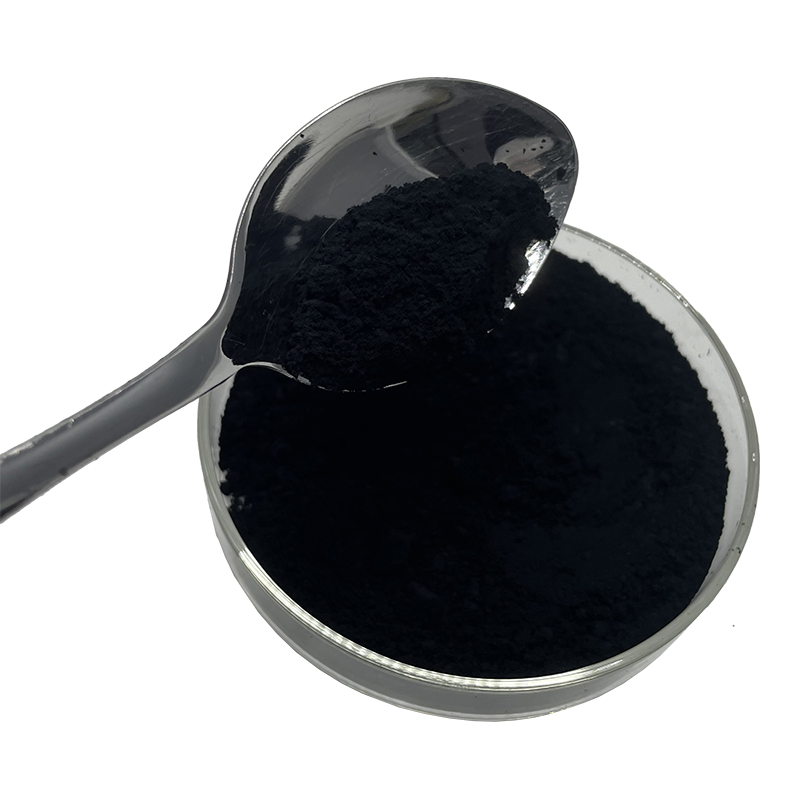

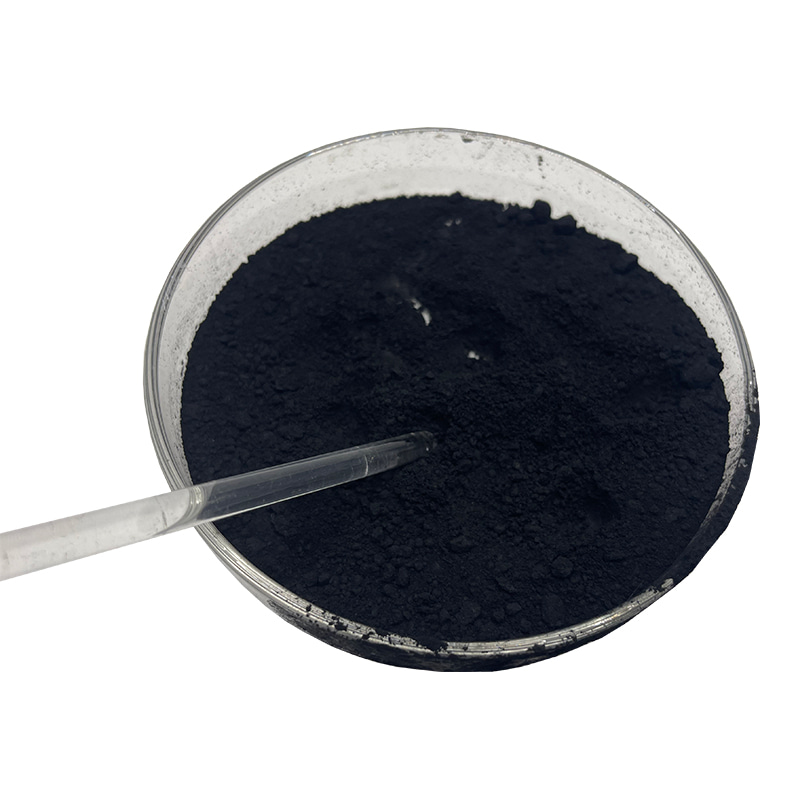
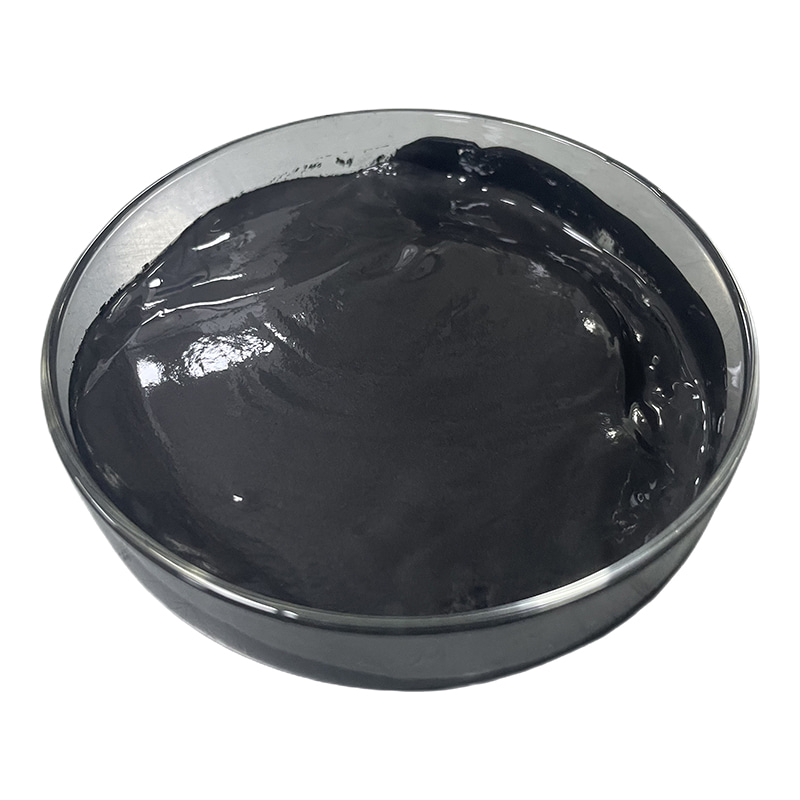
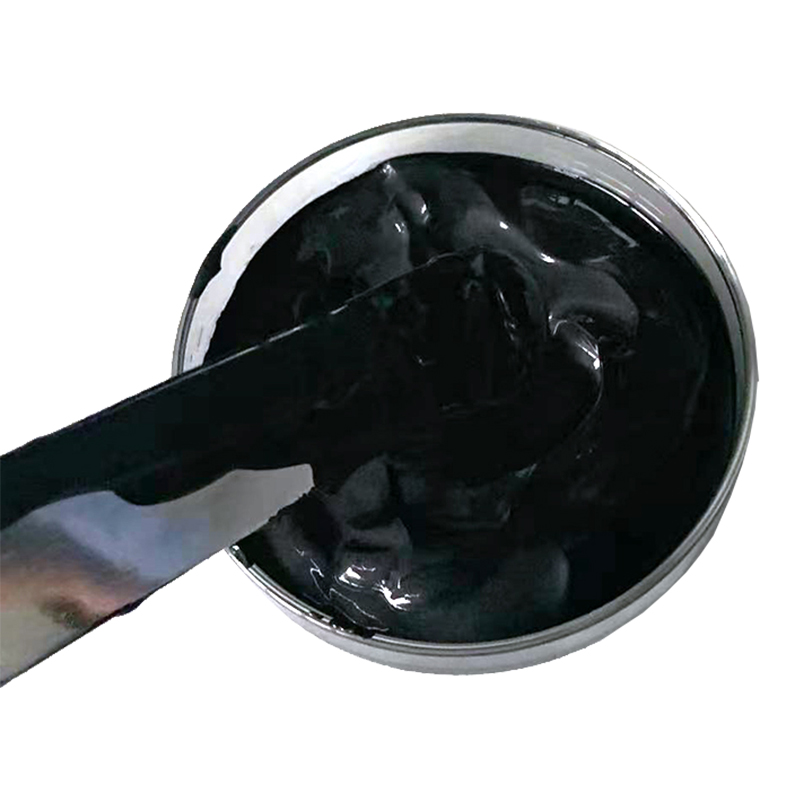

What are the differences between solvent-based and water-based conductive coatings & additives?
Introduction to conductive coatings & additives
Conductive coatings & additives are specialized materials designed to provide electrical or static conductivity to various substrates. They are increasingly used across a wide range of industrial applications, including electrical conduction, static electricity control, plastics, rubber, textiles, printing, dyeing, shielding, electric heating, and physical therapy. These products play a critical role in enhancing material performance and ensuring safety in sensitive electronic and industrial environments. By incorporating conductive fillers such as carbon, silver, copper, or other conductive particles, conductive coatings & additives can modify the surface properties of a substrate to meet specific electrical, thermal, or mechanical requirements.
The choice between different types of conductive coatings, particularly solvent-based and water-based variants, significantly affects their performance, environmental impact, application methods, and cost-efficiency. Understanding these differences is essential for engineers, product designers, and technical procurement professionals seeking to optimize production processes and ensure long-term performance.
Overview of solvent-based conductive coatings & additives
Solvent-based conductive coatings & additives are formulated with organic solvents as the primary carrier medium. These coatings provide excellent wetting, adhesion, and penetration properties, making them suitable for substrates that are difficult to coat or require deep surface coverage. The high solubility of the active ingredients in solvents allows for a uniform dispersion of conductive fillers, leading to consistent electrical conductivity across the coated surface.
One of the key advantages of solvent-based conductive coatings & additives is their ability to achieve high-performance conductivity and durability. These coatings are particularly effective in industrial environments where chemical resistance, temperature stability, and mechanical robustness are required. They can withstand harsh operational conditions, including exposure to humidity, solvents, and physical abrasion, without significant loss of conductivity.
However, the use of organic solvents introduces environmental and safety considerations. Volatile organic compounds (VOCs) released during application can pose health hazards and require proper ventilation and protective equipment. Additionally, regulatory compliance for VOC emissions may affect the cost and process workflow in industrial settings. Despite these challenges, many industries continue to rely on solvent-based conductive coatings for critical applications due to their superior performance characteristics.
Overview of water-based conductive coatings & additives
Water-based conductive coatings & additives use water as the primary solvent, offering a more environmentally friendly alternative to their solvent-based counterparts. These coatings reduce VOC emissions, improve workplace safety, and simplify regulatory compliance. Water-based systems have gained popularity in applications where environmental regulations are stringent, such as consumer electronics, textiles, and medical devices.
While water-based coatings are more sustainable, they present specific technical challenges. Achieving uniform dispersion of conductive fillers in water can be difficult due to differences in polarity and potential agglomeration of particles. The adhesion and durability of water-based coatings can also be lower than solvent-based systems, especially on non-porous or chemically resistant substrates. To overcome these limitations, modern water-based conductive coatings & additives often incorporate specialized dispersing agents, binders, and curing methods to enhance performance and ensure consistent conductivity.
Despite these challenges, water-based conductive coatings are widely used in applications where environmental and safety considerations outweigh the need for extreme chemical or mechanical resistance. The lower odor, reduced fire hazard, and compliance with environmental standards make them attractive for large-scale production and indoor applications.
Comparison of solvent-based and water-based conductive coatings & additives
The choice between solvent-based and water-based conductive coatings & additives depends on a combination of technical requirements, environmental considerations, and cost efficiency. The following table summarizes key differences:
| Property | Solvent-Based Conductive Coatings & Additives | Water-Based Conductive Coatings & Additives |
|---|---|---|
| Carrier medium | Organic solvents | Water |
| Conductivity | High, stable under harsh conditions | Moderate to high, depends on particle dispersion |
| Environmental impact | Higher VOC emissions, stricter regulations | Low VOC, environmentally friendly |
| Adhesion and durability | Excellent on various substrates | Good, may require surface treatment or additives |
| Application complexity | Requires proper ventilation, safety precautions | Safer and easier handling |
| Cost | Higher due to safety measures and solvent handling | Generally lower, more sustainable process |
This comparison illustrates that while solvent-based coatings offer superior electrical and mechanical performance, water-based coatings are advantageous in terms of sustainability, safety, and regulatory compliance. Companies must evaluate these factors carefully when selecting the appropriate conductive coatings & additives for their specific application.
Applications in industry and technology
Conductive coatings & additives are applied across a diverse set of industries. In electronics, they provide electromagnetic shielding and static dissipation in printed circuit boards, housings, and connectors. In textiles, they enable antistatic fabrics for protective clothing and wearable devices. Plastics and rubber products benefit from conductive coatings for static control, while printing and dyeing industries use these additives to enhance surface conductivity in specialty applications.
Electric heating systems and physical therapy devices also rely on conductive coatings to ensure safe and efficient heat transfer and electrical performance. The performance requirements in these applications dictate whether a solvent-based or water-based system is more suitable. For instance, solvent-based coatings are often preferred for high-temperature or chemically aggressive environments, while water-based coatings are ideal for consumer products and applications requiring low environmental impact.
Technical considerations in selecting conductive coatings & additives
Selecting the right type of conductive coatings & additives involves multiple technical factors. These include:
- Substrate compatibility: The surface chemistry and porosity of the substrate influence adhesion and conductivity.
- Particle type and size: Conductive fillers, such as carbon, silver, or copper, affect electrical and thermal performance.
- Environmental exposure: Resistance to humidity, temperature fluctuations, and chemical exposure is critical for long-term performance.
- Application method: Techniques such as spray coating, dipping, or printing determine coating uniformity and thickness.
- Regulatory requirements: VOC limits, environmental standards, and workplace safety guidelines must be considered, especially for solvent-based systems.
These technical parameters must be evaluated in conjunction with cost considerations and production scale. Companies with advanced research and development capabilities can optimize conductive coatings & additives formulations to meet complex performance specifications while minimizing environmental impact.
Integration of high-performance conductive coatings & additives in production
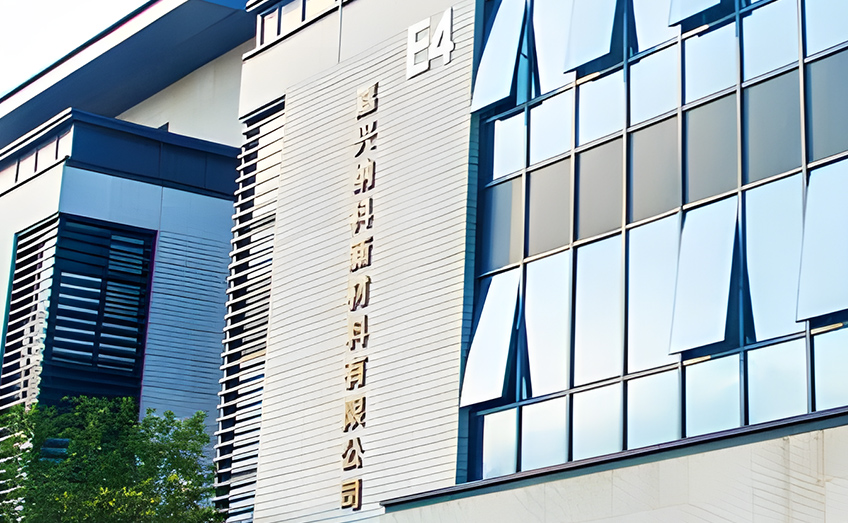
A company like Jiaxing Naco New Material Co., Ltd. / Bohe New Material Co., Ltd. (Jiaxing/Nanchang) exemplifies how expertise in material science and industrial R&D can enhance the development of conductive coatings. The company’s focus on carbon electrode materials, water electrolysis, and high-temperature thermal applications highlights the importance of selecting the appropriate conductive system for industrial performance. Through rigorous research, process optimization, and quality control, the company ensures that its conductive coatings & additives meet the stringent demands of modern industrial applications.
Their approach emphasizes the integration of laboratory innovation with large-scale manufacturing, ensuring consistency, reliability, and compliance with safety and environmental regulations. By combining advanced dispersing techniques and optimized curing methods, such companies can produce both solvent-based and water-based conductive coatings that fulfill the diverse needs of electronics, textiles, plastics, and other sectors.
Optimizing performance and sustainability
Modern industry increasingly prioritizes sustainability without compromising performance. Water-based conductive coatings & additives demonstrate that environmentally friendly solutions can achieve reliable conductivity while reducing VOC emissions and workplace hazards. Solvent-based coatings, while maintaining superior electrical performance, require additional safety measures and emission controls. Balancing these factors is essential for sustainable industrial development.
Jiaxing Naco New Material Co., Ltd. / Bohe New Material Co., Ltd. (Jiaxing/Nanchang) integrates sustainable practices into its R&D strategy, ensuring that its conductive materials and coatings meet both environmental and technical expectations. By applying advanced process solutions and continuous innovation, the company strengthens its position as a leading provider of high-performance conductive products across multiple industrial sectors.
Future trends in conductive coatings & additives
The field of conductive coatings & additives continues to evolve with innovations in materials, processing techniques, and environmental standards. Emerging trends include:
- Development of hybrid systems combining the conductivity of solvent-based coatings with the environmental benefits of water-based systems.
- Integration of nanomaterials and advanced carbon structures to enhance electrical and thermal performance.
- Improved adhesion promoters and dispersants to optimize coating uniformity on challenging substrates.
- Automation and precision application methods to reduce waste, improve efficiency, and ensure consistent performance.
- Focus on energy-efficient manufacturing and reduced environmental footprint for industrial-scale production.
These developments reflect the growing demand for conductive coatings & additives that are both high-performing and environmentally responsible. Companies investing in research and development, such as Jiaxing Naco New Material Co., Ltd. / Bohe New Material Co., Ltd. (Jiaxing/Nanchang), are well-positioned to lead the industry in delivering advanced solutions that meet evolving industrial requirements.
FAQ
- What determines whether a solvent-based or water-based conductive coating is suitable for an application? The choice depends on substrate type, environmental exposure, regulatory requirements, conductivity needs, and sustainability goals.
- Are water-based conductive coatings as effective as solvent-based coatings? Modern water-based coatings can achieve high conductivity with proper formulation, although they may require surface treatments for non-porous substrates.
- Can solvent-based conductive coatings be used safely in indoor environments? Yes, but proper ventilation, personal protective equipment, and VOC management are essential to ensure safety.
- How are conductive coatings tested for performance? Standard testing includes surface resistivity measurements, adhesion tests, environmental stability evaluations, and durability assessments under mechanical stress.
- What industries benefit most from conductive coatings & additives? Electronics, plastics, rubber, textiles, printing and dyeing, shielding, electric heating, and physical therapy applications all rely on these materials.
- How does a company like Jiaxing Naco New Material Co., Ltd. / Bohe New Material Co., Ltd. enhance conductive coating performance? Through R&D, optimized process solutions, material selection, and rigorous quality control, the company ensures high performance, reliability, and compliance with industrial standards.



