


 English
  中文简体
中文简体
Content
- 1 Introduction to Carbon-Based Composites Materials
- 2 Basic Characteristics of Carbon-Based Composites
- 3 Advantages of Carbon-Based Composites Materials in Performance
- 4 Challenges and Cost Implications
- 5 Environmental Impact and Sustainability
- 6 Market Trends and Future Outlook
- 7 Conclusion
- 8 Frequently Asked Questions (FAQs)
As the world advances toward more efficient, durable, and environmentally friendly materials, Carbon-Based Composites Materials have gained significant attention across various industries. These materials, known for their strength-to-weight ratio, durability, and unique properties, are becoming essential in high-performance applications such as aerospace, automotive, and energy systems. In this article, we will examine how Carbon-Based Composites Materials compare to traditional materials in terms of cost and performance. Additionally, we will explore the advantages, challenges, and future outlook of these composite materials in industrial applications.
Introduction to Carbon-Based Composites Materials
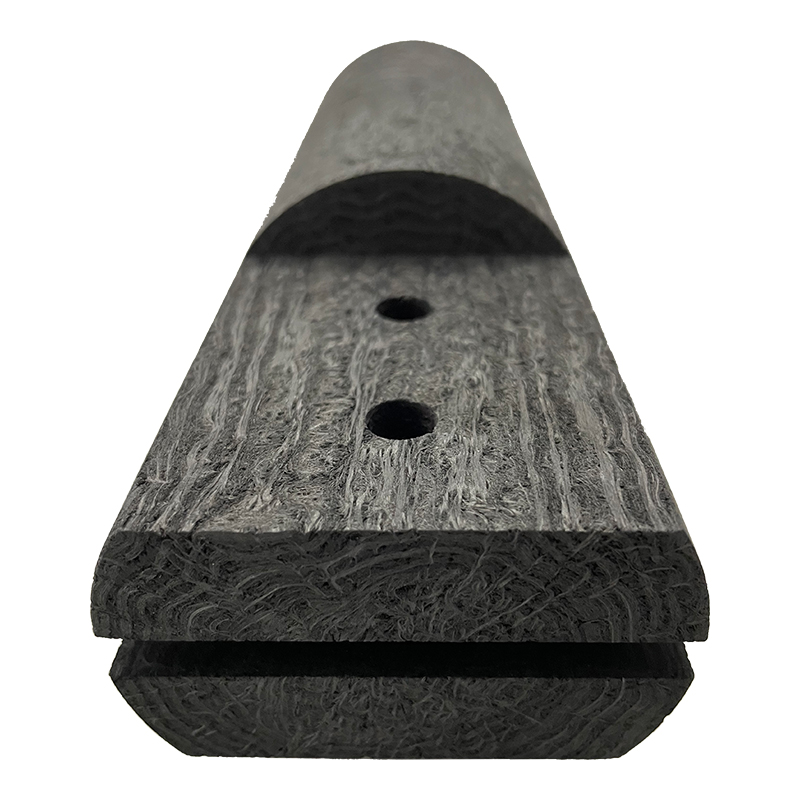
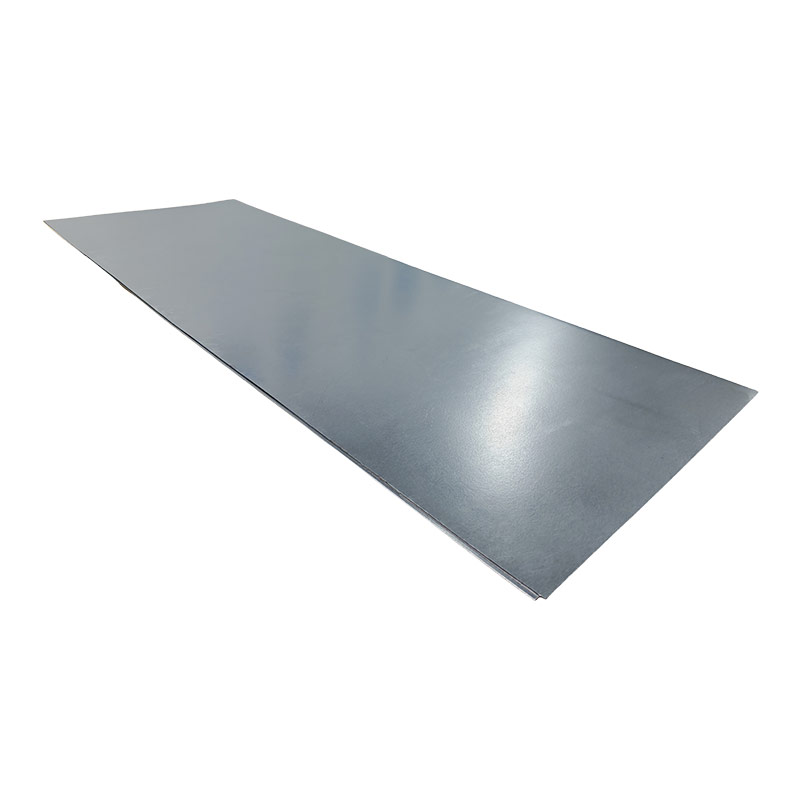
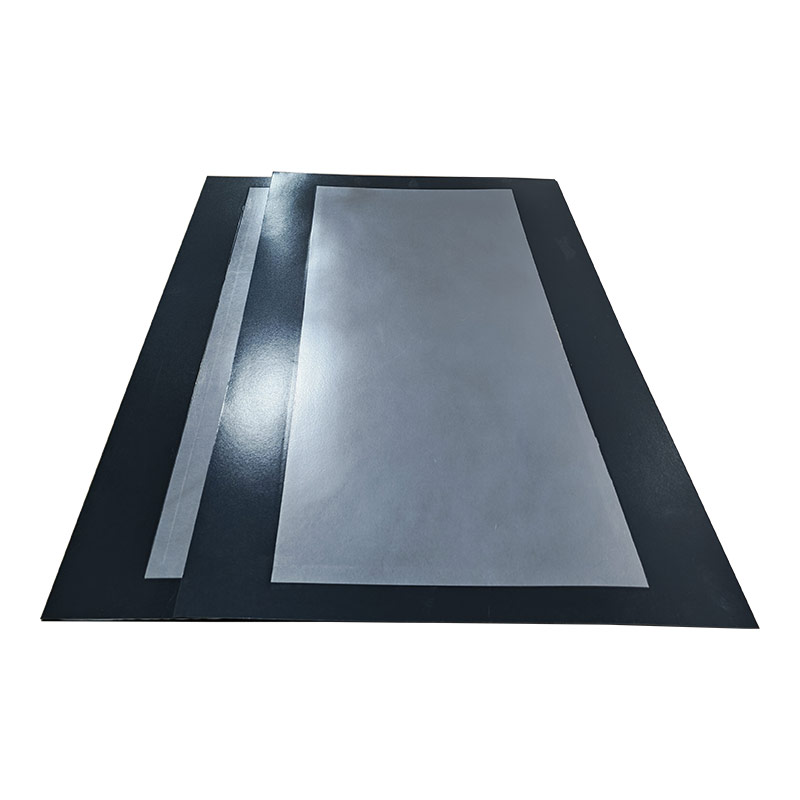
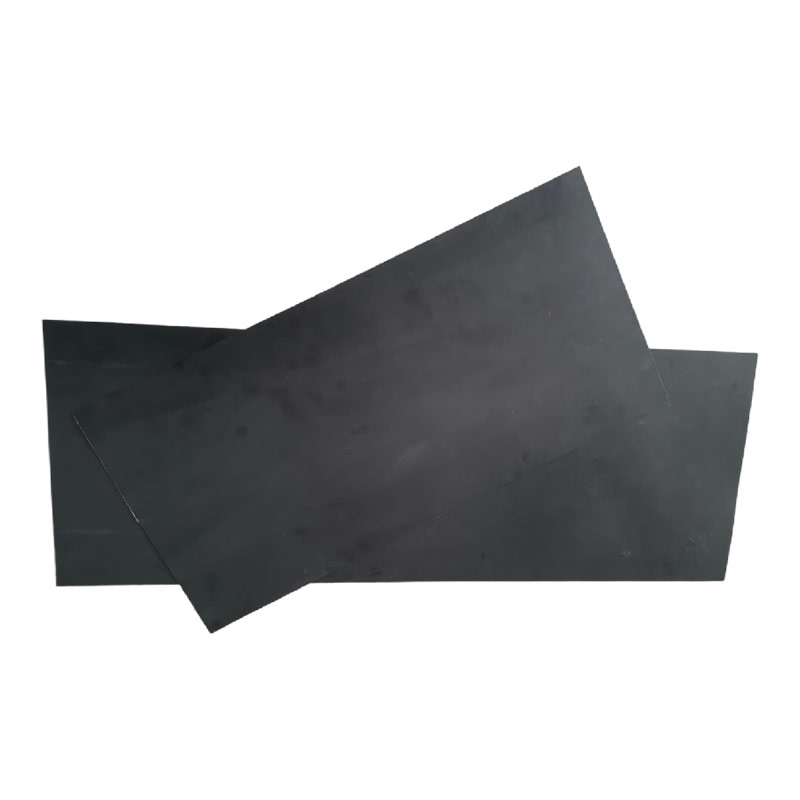
Carbon-Based Composites Materials are made by combining carbon fibers with other materials such as resins or polymers to create a composite structure. This combination results in a material that is lightweight, extremely strong, and resistant to corrosion and extreme temperatures. The use of carbon-based composites is rapidly expanding in industries like aerospace, automotive, and energy, where performance, weight, and durability are critical.
Basic Characteristics of Carbon-Based Composites
Definition and Composition
Carbon-based composites consist primarily of carbon fibers, which are known for their high strength and lightweight properties. The fibers are typically embedded in a matrix made of polymer, ceramic, or metal. This matrix holds the fibers together and transfers the load applied to the composite material. The properties of carbon composites vary depending on the type of carbon fiber used and the matrix material chosen.
Key Applications
- Aerospace: Used for aircraft and spacecraft components due to their strength and light weight.
- Automotive: Increasing use in high-performance sports cars and electric vehicles.
- Construction: Carbon-based composites are used for reinforcing structures, improving durability and resistance to weathering.
- Energy: Carbon composites are used in the construction of wind turbine blades and other energy-efficient technologies.
Advantages of Carbon-Based Composites Materials in Performance
Lightweight Design
Carbon-Based Composites Materials are especially valuable in applications requiring lightweight materials without compromising on strength. In the aerospace and automotive industries, weight reduction leads to better fuel efficiency and improved performance. For instance, in the automotive industry, Carbon-Based Composites Materials for Electric Vehicle Batteries are helping to reduce the overall weight of the vehicle while maintaining the strength and performance of the structure.
Performance Comparison: Carbon Composites vs. Traditional Materials
| Material | Weight (kg) | Strength (MPa) | Fuel Efficiency |
| Carbon Fiber Composites | Low | High | Improved |
| Steel | High | Moderate | Standard |
| Aluminum Alloys | Moderate | High | Moderate |
Thermal Resistance and High-Temperature Stability
Another advantage of Carbon-Based Composites Materials is their superior thermal resistance. These materials can maintain their strength at much higher temperatures than metals or polymers. This makes them ideal for use in high-performance environments such as aerospace or energy applications, where components need to withstand extreme temperatures.
Challenges and Cost Implications
Manufacturing Costs and Processing Techniques
The production of Carbon-Based Composites Materials involves complex manufacturing techniques, such as fiber weaving and resin infusion, which can be expensive. These processes require specialized equipment and skilled labor, leading to higher initial production costs compared to traditional materials like steel or aluminum. However, the cost can be offset by the material's long lifespan and reduced maintenance needs in the long run.
Long-Term Cost Effectiveness
When considering the long-term benefits, Carbon-Based Composites Materials offer excellent value despite their higher initial costs. The lightweight nature of these materials reduces energy consumption over the product's lifetime. For instance, in electric vehicles, the reduction in vehicle weight directly translates into improved battery performance and extended driving range. Additionally, their resistance to wear and corrosion lowers maintenance costs significantly.
Cost Comparison: Carbon-Based Composites vs. Traditional Materials
| Material | Initial Cost (USD per kg) | Maintenance Costs (Over Time) | Long-Term Savings |
| Carbon Fiber Composites | High | Low | High |
| Steel | Low | High | Moderate |
| Aluminum Alloys | Moderate | Moderate | Moderate |
Environmental Impact and Sustainability
Sustainable Manufacturing Practices
Carbon-Based Composites Materials for Sustainable Manufacturing Practices are increasingly being considered for their role in reducing environmental impacts. Their production typically requires less energy compared to traditional materials like steel or aluminum. Additionally, carbon composites are highly durable, reducing the need for frequent replacements and lowering the overall environmental footprint of products.
Recyclability and End-of-Life Considerations
While carbon-based composites have several environmental benefits, one challenge remains: recycling. The process of recycling composite materials is still in development. However, ongoing research is aiming to find more efficient methods of recycling carbon composites to minimize waste and improve sustainability.
Market Trends and Future Outlook
Growing Market Demand
The demand for Carbon-Based Composites Materials is expected to continue growing, particularly in the automotive, aerospace, and renewable energy sectors. As industries continue to prioritize lightweight, durable, and environmentally friendly materials, carbon composites are likely to see increasing adoption in high-performance applications.
Innovations in Carbon Composites
Researchers are continually developing new forms of carbon-based composites, including those that are more affordable, lighter, and easier to manufacture. The future of carbon composites holds promise, particularly as the technology surrounding their production and recycling advances.
Conclusion
In summary, Carbon-Based Composites Materials offer numerous advantages over traditional materials such as steel and aluminum, especially in terms of performance and long-term cost-effectiveness. Their lightweight nature, superior strength, and resistance to extreme temperatures make them invaluable in industries where performance is crucial. However, the high initial production costs and challenges in manufacturing processes need to be considered. Despite these challenges, the future of carbon composites looks promising as advancements in manufacturing and sustainability continue to evolve.
Frequently Asked Questions (FAQs)
- What are carbon-based composites made of? Carbon-based composites are typically made from carbon fibers embedded in a polymer, ceramic, or metal matrix, which gives them their unique strength and durability properties.
- How do carbon-based composites compare to metals in terms of strength? Carbon-based composites are generally stronger than metals such as steel or aluminum, especially when considering their strength-to-weight ratio, which makes them ideal for lightweight, high-performance applications.
- Are carbon-based composites cost-effective in the long term? While the initial costs of carbon-based composites are higher than traditional materials, their long-term durability, reduced maintenance costs, and energy savings make them cost-effective over time.
- What industries use carbon-based composites? Industries such as aerospace, automotive, energy, and construction make extensive use of carbon-based composites for applications that require high strength, lightweight materials, and resistance to extreme conditions.
- Can carbon-based composites be recycled? Recycling carbon-based composites is a developing field, and while it's not as straightforward as recycling metals, ongoing research is focused on improving the recycling processes for these materials to make them more sustainable.