


 English
  中文简体
中文简体
Content
- 1 The Electrode Felt Decision: Why Wettability Defines Performance
- 2 How Electrode Wettability Affects Electrochemical Performance
- 3 Which Electrode Material Is Best for Flow Batteries?
- 4 Which Carbon Felt Is Best for Water Electrolysis?
- 5 Choosing Between Hydrophilic and Hydrophobic Felt: A Practical Framework
- 6 Putting It All Together: Matching the Felt to the Electrochemical System
The Electrode Felt Decision: Why Wettability Defines Performance
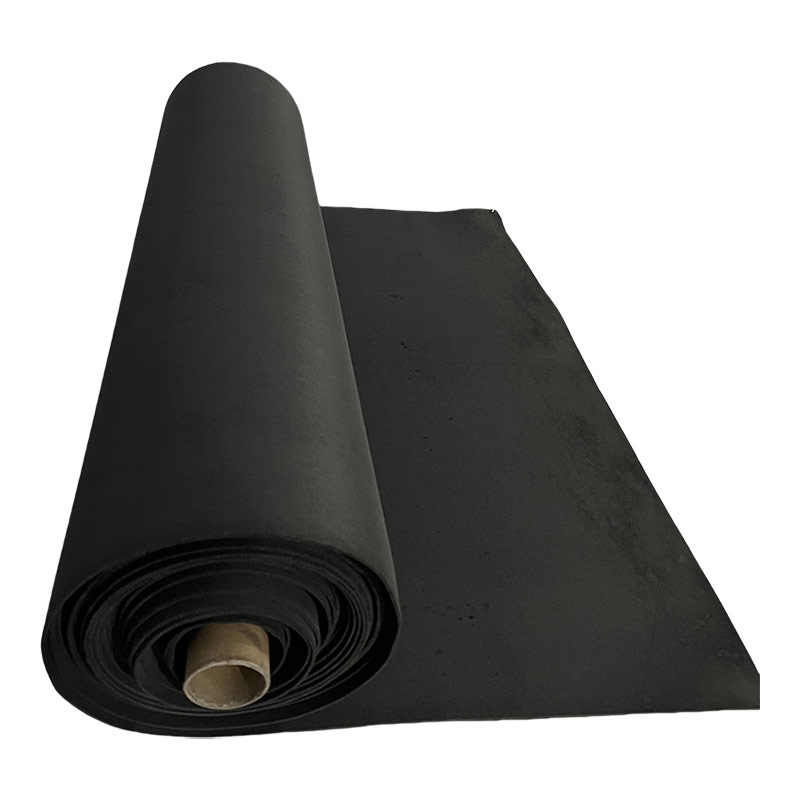
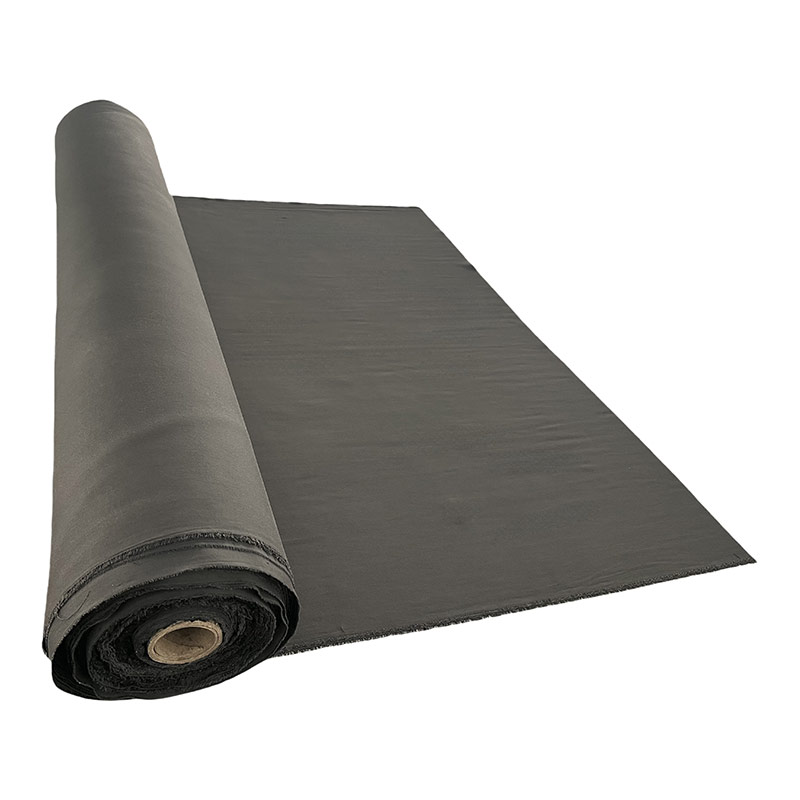
Choosing the right electrode felt for flow batteries or an electrolyzer is not about finding a single best material — it is about matching the felt's surface chemistry to the electrochemical environment. A flow battery electrode must be fully wetted by a water-based electrolyte so that vanadium ions can access every available reaction site. An electrolyzer electrode, particularly on the gas-evolving side, must shed liquid rapidly to prevent gas bubbles from clinging to the pores and blocking ion transport. The difference comes down to wettability: hydrophilic carbon felt for flow battery applications pulls the electrolyte in; hydrophobic electrode felt for electrolyzer systems pushes water out.
The question what is the difference between hydrophilic and hydrophobic electrode felt is the key to understanding why two nearly identical-looking graphite felts can deliver opposite results in different devices. A hydrophilic felt has oxygen functional groups on its surface that attract water; the contact angle is below 90°, meaning a droplet spreads and soaks in. A hydrophobic felt is treated with polytetrafluoroethylene (PTFE) or a similar fluoropolymer, creating a contact angle above 120°, forcing water to bead and roll off. Neither surface is universally superior — each solves a specific transport problem.
How Electrode Wettability Affects Electrochemical Performance
How does electrode wettability affect electrochemical performance? It controls two critical processes: ionic transport and gas management. In a flow battery, the electrolyte must penetrate the full depth of the porous felt. If the felt is even partially hydrophobic, sections remain dry, reducing the electrochemically active area. At a current density of 100 mA/cm², a poorly wetted electrode can lose 30–40% of its available capacity simply because the vanadium ions cannot reach the carbon surface. A fully hydrophilic felt, by contrast, saturates instantly and maintains a uniform ionic pathway from the membrane to the current collector.
In an electrolyzer, the physics reverses. The oxygen evolution reaction produces gas bubbles that must escape the electrode structure. If the felt is hydrophilic, those bubbles adhere to the carbon fibres, growing until they displace the liquid electrolyte and sharply increase ohmic resistance — a phenomenon called bubble-induced overpotential. A hydrophobic electrode felt for electrolyzer coated with PTFE allows gas to detach as soon as it nucleates, keeping the pores clear for liquid transport. The optimum balance is often a felt with graded wettability: hydrophilic where water must enter, hydrophobic where gas must leave.
Which Electrode Material Is Best for Flow Batteries?
For anyone asking which electrode material is best for flow batteries, the consensus points to a hydrophilic carbon felt — specifically, a polyacrylonitrile (PAN)-based or rayon-based graphite felt that has been thermally activated or chemically oxidised. Thermal activation in air at 400–500 °C creates surface oxygen groups (carboxyl, carbonyl, hydroxyl) that dramatically improve wettability and add catalytic activity toward the V²⁺/V³⁺ and VO²⁺/VO₂⁺ redox couples. This hydrophilic carbon felt for flow battery systems reduces charge transfer resistance by an order of magnitude compared to untreated felt.
To choose electrode felt for flow batteries, check the felt's surface oxygen content via X-ray photoelectron spectroscopy (XPS) if possible, or ask the supplier for a water contact angle measurement. A contact angle below 30° is excellent. The felt should also have a specific surface area of at least 2–5 m²/g after activation, a thickness matched to the cell compression (typically 3–6 mm uncompressed), and an electrical conductivity above 10 S/cm through the plane. A CVD carbon-coated felt or one with a CNT layer further improves conductivity and surface area without compromising wettability, provided the deposition process leaves the surface hydrophilic or is followed by a brief air activation step.
Which Carbon Felt Is Best for Water Electrolysis?
Which carbon felt is best for water electrolysis depends on the cell design, but for the anode side of a proton exchange membrane (PEM) electrolyzer, a PTFE-treated hydrophobic carbon felt is standard. The PTFE content is typically 10–30% by weight, and it is introduced by dipping the felt in a PTFE suspension followed by sintering at 350–370 °C. This treatment creates a durable, non-wetting surface that expels oxygen bubbles efficiently. The felt's gas diffusion layer function is as critical as its electrical role; without hydrophobicity, the cell cannot reach current densities above 1 A/cm² without severe mass transport losses.
A PTFE CNT modified electrode felt combines the gas-expelling property of PTFE with the enhanced conductivity and surface area of carbon nanotubes. The CNTs are grown on the felt by CVD before the PTFE treatment, creating a hierarchical structure where the nanotubes provide abundant reaction sites and the PTFE coating on the outer surface prevents flooding. This dual modification is emerging as a leading candidate for the next generation of high-performance electrolyzer electrodes, achieving current densities above 2 A/cm² with reduced precious metal catalyst loading. When learning how to choose electrode materials for electrolyzers, verify the PTFE distribution — it must be uniform across the felt thickness, not just a surface layer, to ensure consistent gas transport throughout the electrode.
Choosing Between Hydrophilic and Hydrophobic Felt: A Practical Framework
The decision tree for selecting an electrode felt is straightforward once the application is known. The table below provides a summary.
| Device Type | Required Wettability | Recommended Treatment | Key Metric |
|---|---|---|---|
| Vanadium flow battery | Strongly hydrophilic | Thermal activation, acid oxidation | Water contact angle <30°, oxygen content >5 at% |
| PEM electrolyzer (anode) | Strongly hydrophobic | PTFE coating (10–30 wt%), sintering | Water contact angle >120°, gas permeability |
| Alkaline electrolyzer | Moderately hydrophilic to neutral | Untreated or mild activation | Pore size distribution, bubble point pressure |
| Unitized regenerative fuel cell | Graded wettability (hydrophilic one side, hydrophobic the other) | Partial PTFE treatment or dual-layer construction | Cross-plane wettability gradient |
When how to choose electrode felt for flow batteries extends to cost-sensitive large-scale storage, the felt's cycle life becomes as important as its initial performance. A hydrophilic carbon felt that loses its oxygen groups through electrochemical reduction over time will revert to a hydrophobic state and cause capacity fade. The best felts use a combination of surface texture from CVD and stable oxygen functionalisation to maintain wettability for over 10,000 cycles. For electrolyzers, PTFE loss is the main degradation mode; sintered PTFE coatings with a high molecular weight show the best retention.
Putting It All Together: Matching the Felt to the Electrochemical System
The question which electrode material is best for flow batteries is answered definitively by hydrophilic, thermally activated carbon felt with a high surface area, but the broader lesson from which carbon felt is best for water electrolysis is that the material's surface chemistry must be tuned to the dominant transport process. A flow battery needs liquid-phase ion access; an electrolyzer needs gas-phase product removal. The difference between hydrophilic and hydrophobic felt is not a design detail — it determines whether the electrode works at all at commercial current densities.
A systematic approach to how to choose electrode materials for electrolyzers and flow batteries starts with the electrolyte and the gas evolution rate. If the half-reaction produces a gas, the electrode felt must be at least partially hydrophobic. If the electrolyte is the only fluid present, full hydrophilicity is required. The ideal felt for any given application is one where the wettability, conductivity, surface area, and chemical stability are optimised together. A PTFE CNT modified electrode felt represents the state of the art in integrating these properties, but its cost must be justified by the performance gain. For most flow battery deployments, a well-activated hydrophilic carbon felt remains the cost-effective standard, and for most PEM electrolyzers, a uniform PTFE-treated felt is the proven choice.