


 English
  中文简体
中文简体
Content
What Hydrophilic Electrode Felt Is Made For
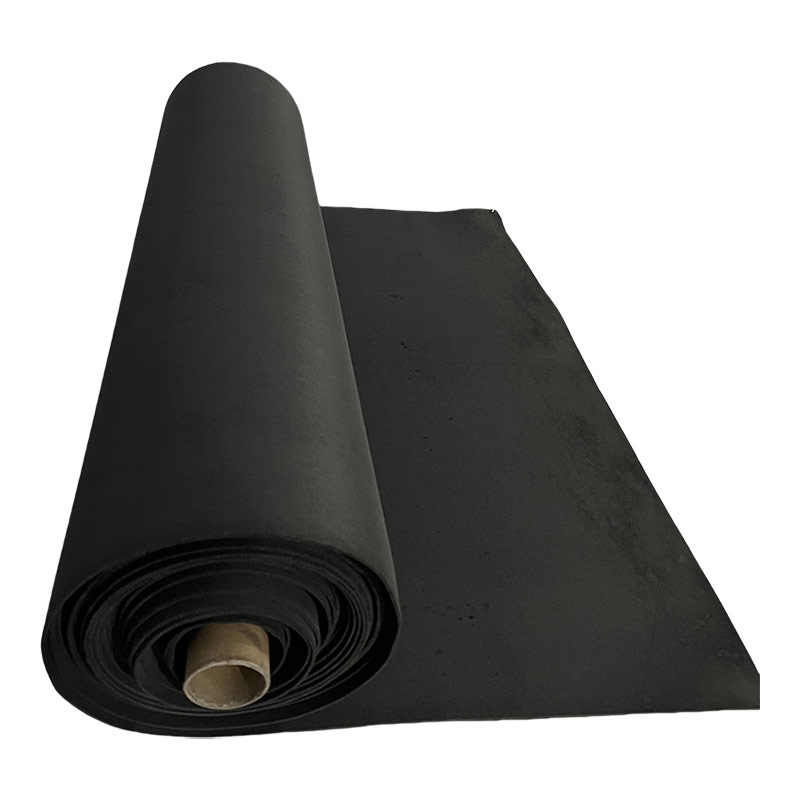
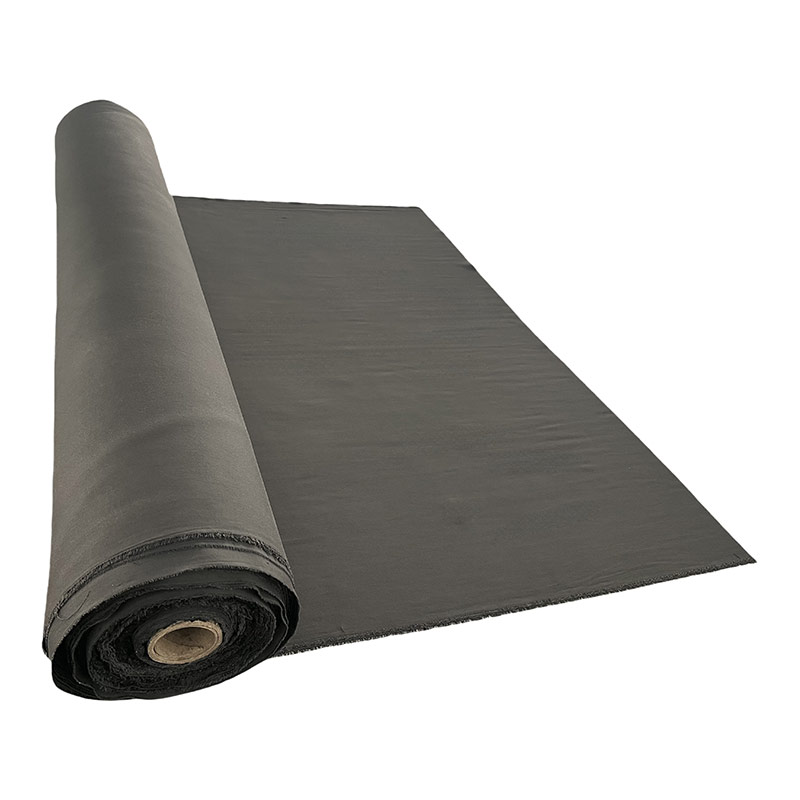
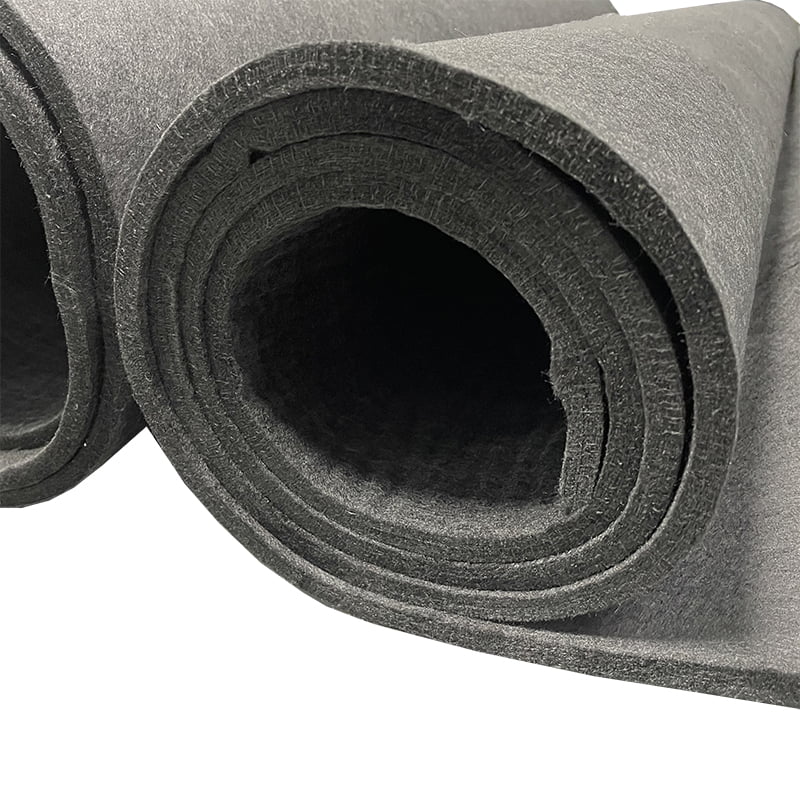
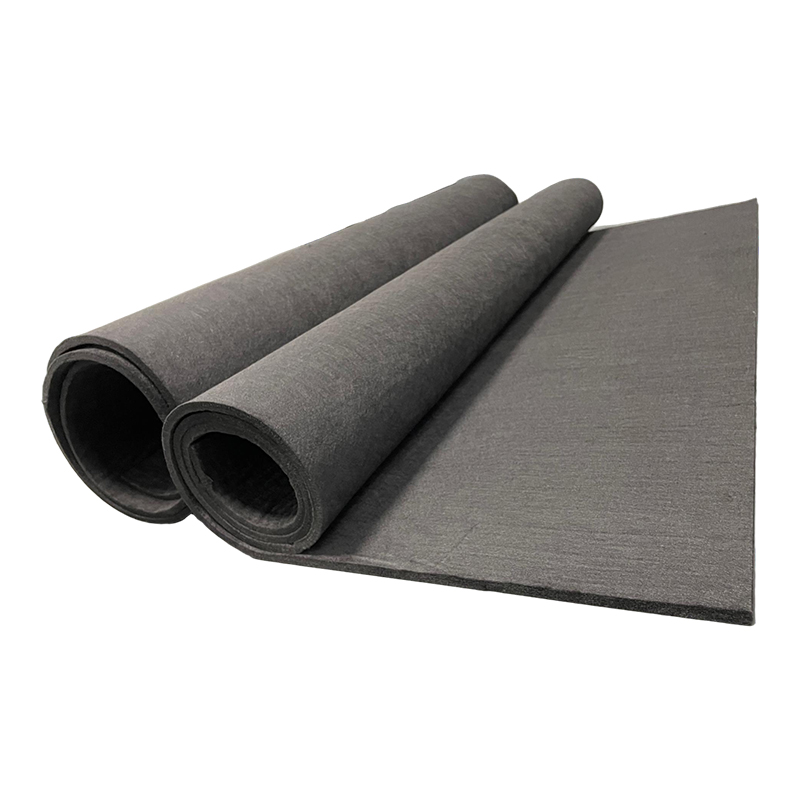
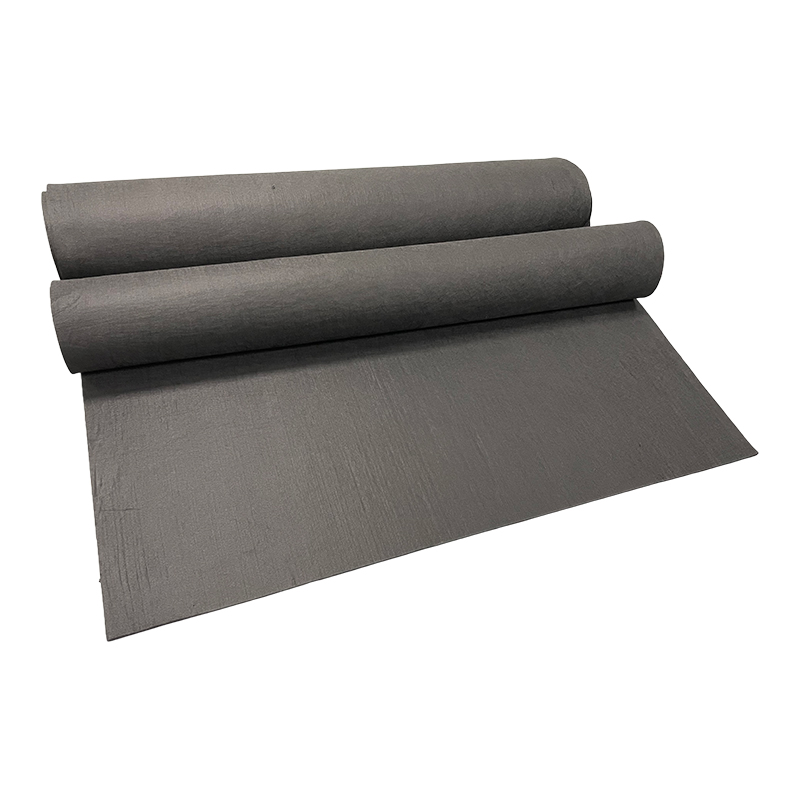
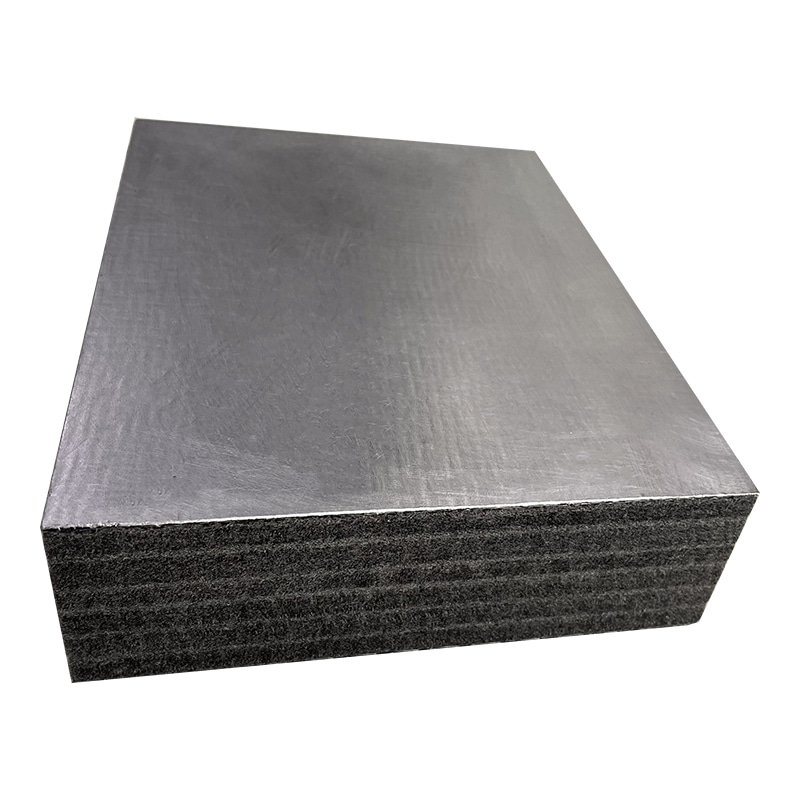
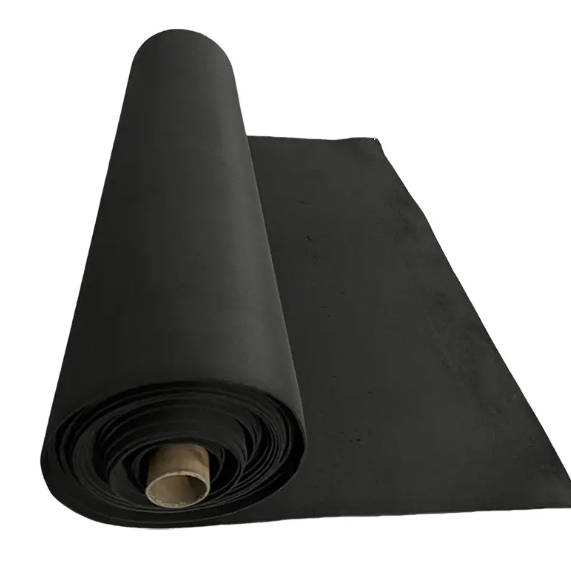
Hydrophilic electrode felt is a non-woven fiber pad engineered to absorb and retain water or saline solution, then release it gradually to maintain electrical contact between an electrode and skin (or another surface) over an extended treatment or process cycle. The fiber is treated or selected specifically so it wets out fully and holds moisture rather than repelling it — the opposite behavior of a hydrophobic felt, which would bead water off the surface and break electrical continuity within minutes.
This material sits at the interface in two main fields: medical electrotherapy (TENS, EMS, iontophoresis, and biofeedback electrodes) and industrial electrochemical processes (electrolysis cells, electro-polishing, and certain battery and capacitor manufacturing steps) where a stable, moisture-saturated conductive buffer is needed between a metal electrode and the target surface.
Why Hydrophilicity Matters More Than Felt Density
It's tempting to judge electrode felt mainly by thickness or fiber density, but wettability is the property that actually determines performance. A dense felt with poor hydrophilicity will channel water unevenly, creating dry spots where contact resistance spikes — in a TENS electrode this shows up as a stinging sensation or inconsistent stimulation; in an electrolysis cell it shows up as localized current crowding and uneven plating or etching.
Manufacturers achieve hydrophilicity either by selecting inherently absorbent fibers (rayon, certain treated polyester or polypropylene blends) or by applying a surface treatment — plasma treatment or a hydrophilic coating — to fibers that would otherwise be water-repellent. Treated synthetic felts tend to hold their hydrophilic property more consistently across humidity and temperature swings than untreated natural fibers, which can matter for products with long shelf lives between manufacture and use.
Key Specifications to Compare Across Suppliers
When sourcing electrode felt, the spec sheet differences that actually affect performance are narrower than the marketing copy suggests. The ones worth scrutinizing:
- Water absorption capacity — usually expressed as a multiple of the felt's dry weight (e.g., absorbing 8–12x its own weight); higher capacity generally means longer usable time between re-wetting.
- Wicking rate — how quickly moisture redistributes across the felt surface after initial wetting, which determines how evenly contact resistance is maintained during use.
- Thickness and compressibility — thicker felt holds more water but compresses more under electrode pressure, which can squeeze out moisture faster than a thinner, denser felt under the same clamping force.
- Chemical resistance — relevant mainly for industrial use, since electrolyte solutions, acids, or oxidizers can degrade certain fiber types over repeated cycles even if the felt's initial hydrophilicity is excellent.
- Biocompatibility certification — required for any felt in direct or near skin contact; look for ISO 10993 testing data rather than a general claim of "medical grade."
Medical Electrode Felt vs. Industrial Electrolysis Felt
These two use cases share the underlying wetting mechanism but diverge sharply in material requirements:
Because the duty cycles are so different, felt optimized for one application rarely performs well in the other — an industrial-grade felt's chemical-resistant fiber treatment may not meet medical biocompatibility standards, while a medical-grade felt may degrade quickly under sustained exposure to industrial electrolytes.
Handling and Storage Considerations
Dry electrode felt is not inert in storage. Most hydrophilic felts are vacuum-sealed or kept in moisture-barrier packaging because exposure to ambient humidity can cause uneven pre-wetting, fiber clumping, or mold growth in natural-fiber felts before the product is ever used. Once wetted and in use, felt should generally be re-saturated rather than allowed to dry out completely between sessions — repeated full dry-out and re-wet cycles tend to degrade fiber structure and gradually reduce absorption capacity.
FAQ
How long does hydrophilic electrode felt stay conductive once wetted?
It depends on absorption capacity, ambient humidity, and clamping pressure, but most medical-grade felts maintain adequate conductivity for a single treatment session of 20–60 minutes before re-wetting is needed; industrial felt in a continuously irrigated cell maintains conductivity indefinitely as long as electrolyte flow continues.
Can regular felt be made hydrophilic with a coating?
Yes, surface treatments such as plasma treatment or hydrophilic polymer coatings can convert an otherwise water-repellent felt, though the durability of that treatment under repeated wet/dry cycling varies significantly by method and should be verified against the intended duty cycle.
What's the difference between hydrophilic felt and a hydrogel electrode pad?
Hydrogel pads are pre-saturated, self-adhesive, and generally single-use, while hydrophilic felt is a dry or re-wettable absorbent substrate that's reused across multiple sessions with manual or automated re-wetting — felt suits applications needing reusability and active moisture replenishment rather than disposable convenience.