


 English
  中文简体
中文简体
Content
What Is Carbon Fiber
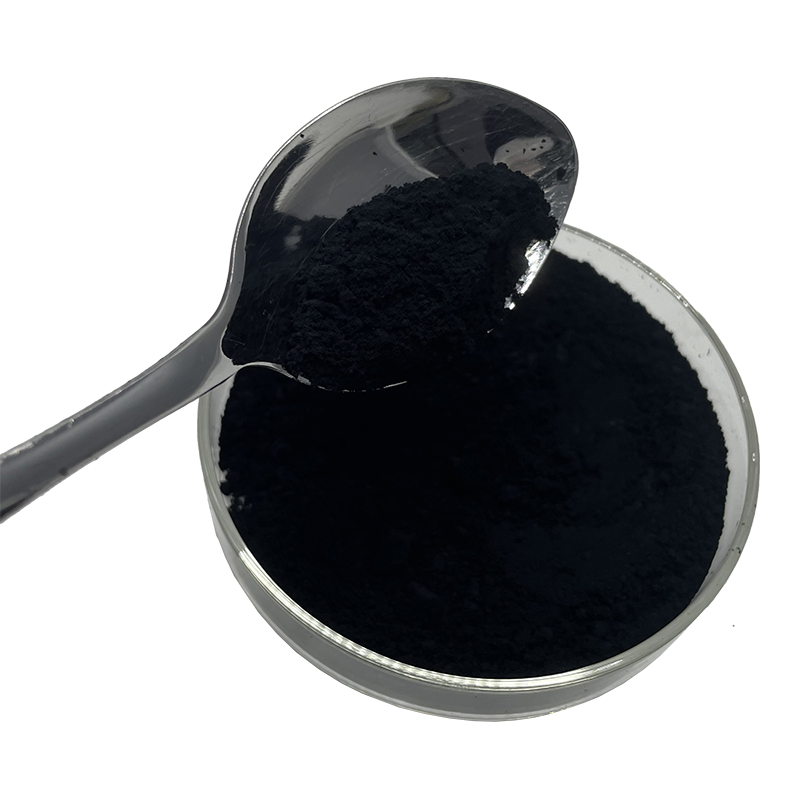
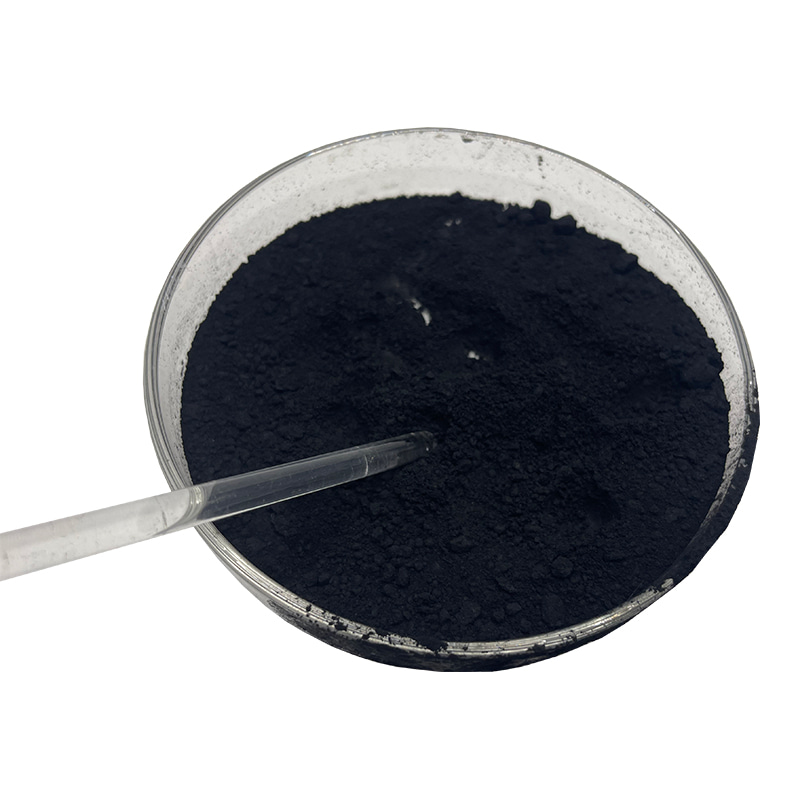
Carbon fiber is a high-performance material made from thin strands of carbon atoms bonded together in a crystalline structure aligned parallel to the fiber's long axis. Each individual filament measures between 5 and 10 micrometers in diameter — roughly one-tenth the width of a human hair — yet the material is known for delivering exceptional tensile strength and stiffness at a fraction of the weight of metals.
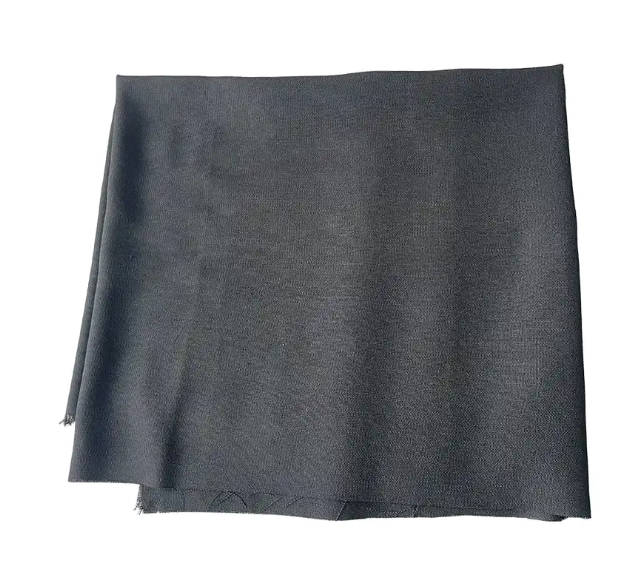
In most industrial and commercial applications, carbon fiber is not used as bare filament. Thousands of these filaments are bundled into tows, which are then woven into fabric or laid up in sheets and combined with a polymer resin matrix — typically epoxy — to produce carbon fiber reinforced polymer (CFRP). The fiber provides tensile strength and stiffness; the resin binds the fibers together and transfers loads between them. The resulting composite material outperforms most metals on a strength-to-weight basis.
Standard commercial carbon fiber tows are classified by filament count: 1K (1,000 filaments), 3K, 6K, 12K, 24K, and larger. Lower-count tows are used in high-performance aerospace and sporting goods applications; higher-count tows are used in industrial and construction contexts where cost efficiency matters more than surface finish.
Carbon Fiber Properties Explained
The properties of carbon fiber depend significantly on the precursor material and manufacturing process, but standard PAN-based carbon fiber (see below) exhibits a consistent set of characteristics that define its appeal:
- High tensile strength: Standard modulus carbon fiber achieves tensile strengths of 3,500–7,000 MPa, significantly higher than structural steel (typically 400–550 MPa).
- High stiffness (elastic modulus): Standard modulus carbon fiber has an elastic modulus of around 230 GPa; ultra-high modulus grades reach 600–900 GPa, far exceeding steel (200 GPa) and aluminum (70 GPa).
- Low density: Carbon fiber has a density of approximately 1.75–1.85 g/cm³, compared to 7.85 g/cm³ for steel and 2.7 g/cm³ for aluminum. CFRP composites are typically 1.5–1.6 g/cm³.
- Thermal stability: Carbon fiber retains its mechanical properties at temperatures exceeding 2,000°C in inert atmospheres. In oxidizing environments, surface degradation begins above 400–500°C.
- Low thermal expansion: The coefficient of thermal expansion of carbon fiber is near zero or slightly negative along the fiber axis, making CFRP dimensionally stable across temperature ranges — a critical property in aerospace and precision instrumentation.
- Electrical conductivity: Unlike fiberglass, carbon fiber conducts electricity. This is advantageous in some applications (EMI shielding, lightning strike protection) and a design consideration in others (galvanic corrosion when in contact with metals like aluminum).
- Low fatigue susceptibility: CFRP composites show excellent resistance to cyclic loading compared to metals, making them well-suited for components subject to repeated stress.
The primary limitation is brittleness: carbon fiber has low strain-to-failure (typically 1.5–2%) and poor resistance to impact perpendicular to the fiber direction. Unlike metals, CFRP does not plastically deform before failure — it fractures, often without visible warning signs in the material's surface.
How Carbon Fiber Is Made: The Manufacturing Process
Carbon fiber production is a multi-stage thermal and chemical conversion process that transforms a polymer precursor into a nearly pure carbon filament. The dominant precursor is polyacrylonitrile (PAN), which accounts for over 90% of global carbon fiber production. The remaining production uses pitch (a petroleum or coal tar derivative) or, in specialized applications, rayon.
The conversion from PAN precursor fiber to finished carbon fiber passes through five sequential stages: stabilization, carbonization, graphitization (for high-modulus grades), surface treatment, and sizing.
Stabilization Process Explained
Stabilization is the first thermal conversion step and the most time-consuming stage in the process. PAN precursor fiber is passed through a series of oxidation ovens at temperatures between 200°C and 300°C in an air atmosphere. The process takes 30 to 120 minutes depending on fiber type and furnace design.
During stabilization, the linear polymer chains in PAN undergo cyclization and cross-linking reactions, converting the thermoplastic structure into a thermally stable ladder polymer. This structural change is essential: without stabilization, the fiber would melt or combust during the high-temperature carbonization step that follows. The fiber darkens from white to golden-brown to black as stabilization proceeds. Tension is maintained throughout to prevent fiber shrinkage and preserve molecular orientation.
Carbonization Process Explained
Following stabilization, the fiber enters carbonization furnaces operating at 1,000°C to 1,500°C in an inert nitrogen atmosphere. At these temperatures, non-carbon atoms — primarily hydrogen, nitrogen, and oxygen — are driven off as gases (HCN, CO₂, H₂O, NH₃, and others). The carbon content of the fiber increases from roughly 65% in stabilized PAN to more than 92–95% in the carbonized product.
The carbonization stage is typically split into two zones: a low-temperature zone (up to 700°C) where most of the volatile byproducts are released, and a high-temperature zone (above 1,000°C) where the turbostratic graphite structure begins to develop. The crystalline alignment achieved at this stage largely determines the final mechanical properties. Carbonization is conducted under tension to maintain fiber alignment and maximize the development of the preferred crystallographic orientation along the fiber axis.
Graphitization Process Explained
Graphitization is an optional high-temperature step used to produce high-modulus and ultra-high-modulus carbon fiber grades. The carbonized fiber is heated to temperatures between 2,500°C and 3,000°C in an inert argon atmosphere. At these extreme temperatures, the turbostratic (partially ordered) carbon structure reorganizes into a more ordered graphite-like crystal structure, with the hexagonal carbon planes becoming larger and more perfectly aligned with the fiber axis.
The result is a dramatic increase in elastic modulus — from around 230 GPa for standard modulus fiber to 400–900 GPa for ultra-high modulus grades. However, this increase in stiffness comes at the cost of tensile strength and strain-to-failure: graphitized fibers are stiffer but more brittle. Not all applications require graphitization; standard and intermediate modulus fibers used in most aerospace structural applications are not graphitized.
Surface Treatment in Carbon Fiber
As-produced carbon fiber has a chemically inert surface that bonds poorly with polymer resins. Surface treatment — typically electrolytic oxidation — corrects this by introducing oxygen-containing functional groups (carboxyl, hydroxyl, carbonyl) onto the fiber surface. The process passes the fiber through an electrolyte bath while applying a controlled electrical current.
The result is a roughened, chemically active surface with significantly improved adhesion to epoxy and other resin systems. Interlaminar shear strength — the resistance of the composite to delamination between plies — is the primary property improved by surface treatment. Without it, composites made from carbon fiber would show poor fiber-matrix adhesion and reduced mechanical performance, particularly under shear loading.
Carbon Fiber Sizing Process
Sizing is the final step before the fiber is wound onto bobbins or further processed. A thin coating — typically 0.5–5% by weight — of a sizing agent (usually an epoxy-compatible polymer) is applied to the fiber surface from a water-based emulsion bath.
Sizing serves multiple functions: it protects the fiber from abrasion during subsequent handling and weaving operations, bundles the filaments together for easier processability, and further promotes compatibility with the resin system used in the final composite. The sizing formulation is typically matched to the intended resin — epoxy sizing for epoxy composites, thermoplastic-compatible sizing for thermoplastic matrix composites. Mismatched sizing can degrade composite mechanical performance by interfering with fiber-matrix bonding.
PAN vs Pitch Carbon Fiber
The two principal precursor materials for carbon fiber — PAN (polyacrylonitrile) and pitch — produce fibers with distinct property profiles suited to different applications.
PAN-based carbon fiber dominates the market because the manufacturing process is well-established, yields consistent fiber quality, and produces a strong, versatile product. PAN fiber achieves the best combination of tensile strength and stiffness for structural applications. Standard modulus PAN fiber (e.g., Toray T300 grade) is the workhorse of the aerospace, automotive, and sporting goods industries.
Pitch-based carbon fiber is produced from isotropic or mesophase pitch — a byproduct of petroleum or coal tar processing. Pitch fibers can be graphitized to achieve ultra-high elastic moduli (up to 900 GPa) and exceptional thermal conductivity (up to 1,000 W/m·K, compared to about 10 W/m·K for PAN-based fiber). These properties make pitch-based fiber valuable in satellite structures, thermal management components, and precision optical systems where stiffness and dimensional stability at temperature matter more than tensile strength.
| Property | PAN-Based | Pitch-Based |
|---|---|---|
| Tensile strength | 3,500–7,000 MPa | 1,400–3,500 MPa |
| Elastic modulus | 230–600 GPa | 140–900 GPa |
| Thermal conductivity | ~10 W/m·K | Up to 1,000 W/m·K |
| Market share | >90% | <10% |
| Primary applications | Aerospace, auto, sports | Satellites, thermal mgmt |
Carbon Fiber vs Fiberglass
Carbon fiber and fiberglass (glass fiber reinforced polymer, or GFRP) are the two most widely used composite reinforcement materials, and they are frequently compared because they serve overlapping applications at very different price points.
Fiberglass has a tensile modulus of approximately 70–85 GPa — roughly one-third of standard carbon fiber. It is significantly less stiff, meaning GFRP components deflect more under equivalent loads. However, fiberglass has a higher strain-to-failure (around 3–4%) and better impact resistance than CFRP, and it costs 5 to 10 times less per kilogram at comparable performance levels for less demanding applications.
Fiberglass is also electrically non-conductive and transparent to radar and radio frequencies — properties that make it the preferred choice for radomes, marine hulls, wind turbine blades, and consumer water sports equipment. Carbon fiber's electrical conductivity excludes it from applications where RF transparency is required.
The decision between carbon fiber and fiberglass usually comes down to weight and stiffness requirements relative to budget. Where minimum weight and maximum stiffness are critical — as in competitive motorsport, high-performance aircraft structures, and racing bicycles — carbon fiber is the clear choice. Where cost, impact tolerance, or RF transparency matters more, fiberglass remains the dominant material.
Carbon Fiber vs Steel
The comparison between carbon fiber composites and steel is most meaningful on a specific-strength (strength per unit weight) and specific-stiffness basis. On these measures, CFRP substantially outperforms structural steel: carbon fiber has a specific tensile strength roughly 5 to 10 times higher than steel and a specific stiffness 3 to 4 times higher.
In absolute terms, high-strength steel can achieve tensile strengths above 2,000 MPa — competitive with some carbon fiber grades — but at a density more than four times higher. For weight-critical applications, replacing a steel component with an equivalent CFRP design typically achieves 40–60% weight reduction.
Steel retains important advantages. It is ductile — it deforms visibly before fracture, providing warning and energy absorption. CFRP is brittle and can fail catastrophically without visible surface deformation. Steel is also far cheaper, easily welded and repaired, and well-understood in structural engineering practice. For applications where impact energy absorption, repairability, or cost is the primary design driver, steel remains difficult to displace. Carbon fiber's advantages are most conclusive in applications where weight directly translates to performance or operating cost — aircraft, satellites, high-performance vehicles, and competitive sports equipment.
Carbon Fiber in Aerospace
Aerospace is the industry where carbon fiber's combination of high strength-to-weight ratio, stiffness, fatigue resistance, and thermal stability delivers the clearest value. Every kilogram eliminated from an aircraft structure translates directly to fuel savings, payload capacity, or range — the economics favor premium materials in ways that ground-based applications rarely do.
The Boeing 787 Dreamliner, introduced in 2011, was the first commercial aircraft with a majority-composite primary structure: approximately 50% of the airframe by weight is CFRP, including the fuselage, wings, and tail. Compared to a conventional aluminum-dominated design, the 787 achieves roughly 20% better fuel efficiency. The Airbus A350 XWB uses a similar composite-dominant design, with CFRP comprising around 53% of the structural weight.
In military aviation, carbon fiber has been standard in fighter aircraft structures since the F-16 and F/A-18 in the 1970s and 1980s. Modern fighters like the F-22 and F-35 use CFRP for the majority of their airframe structure. Space applications use carbon fiber for satellite structural panels, solar array substrates, and rocket motor casings, where the combination of low weight, high stiffness, and near-zero thermal expansion is irreplaceable.
Carbon Fiber in Automotive
Automotive adoption of carbon fiber has followed a clear trajectory: from Formula 1 racing in the early 1980s, through supercar production in the 1990s and 2000s, toward broader use in volume production in the 2010s and beyond.
McLaren introduced the first carbon fiber monocoque chassis in Formula 1 in 1981. The crash performance improvement was immediate and significant — the tub's combination of high energy absorption (through controlled failure) and rigidity provided driver protection that aluminum monocoques could not match. Today, every Formula 1 chassis, body panel, floor, and wing is made from CFRP.
In road cars, BMW's i3 and i8 models (launched 2013–2014) represented the first mass-produced vehicles with carbon fiber reinforced polymer passenger cells, produced using a high-volume resin transfer molding process. The BMW i3's CFRP Life Module weighed approximately 130 kg less than an equivalent steel structure, offsetting a significant portion of the battery weight penalty.
Cost remains the primary barrier to broader automotive adoption. Carbon fiber raw material costs roughly $20–$30 per kilogram (for standard grade), while automotive-grade steel costs under $1 per kilogram. Cycle times for autoclave-cured CFRP components — hours per part — are incompatible with high-volume production without significant process investment. Compression molding of chopped carbon fiber and out-of-autoclave processes are reducing these barriers, and carbon fiber content in mid-range performance vehicles is increasing steadily.
Carbon Fiber in Sports Equipment
Sports equipment was one of the earliest commercial markets for carbon fiber outside aerospace, driven by athletes and manufacturers willing to pay a premium for performance gains. The material's stiffness-to-weight advantage is directly felt by the user in ways that are difficult to achieve with any alternative material.
In competitive cycling, carbon fiber frames have dominated the professional peloton since the 1990s. A top-level road race frame now weighs under 700 grams — compared to 1.2–1.5 kg for aluminum equivalents — while providing superior stiffness for power transfer and tunable compliance in specific directions for rider comfort. Carbon fiber wheels, handlebars, seatposts, and cranks extend the weight savings further.
In tennis, carbon fiber racket frames offer higher stiffness for power transfer with lower weight than aluminum or composite alternatives. Golf shafts in carbon fiber deliver more consistent flex profiles and better vibration damping than steel shafts while reducing driver weight. In rowing, carbon fiber oars and shells have replaced wooden and fiberglass equipment at the elite level.
Carbon fiber is also central to prosthetics and adaptive sports equipment. The Össur Cheetah running blade — the carbon fiber prosthetic used by Paralympic sprinters — uses the material's elastic energy storage to replicate the function of an Achilles tendon, enabling sprint speeds comparable to able-bodied athletes. The blade stores energy during foot strike and releases it during toe-off, a function that requires the precise combination of stiffness, flex, and strength that carbon fiber composites uniquely provide.