


 English
  中文简体
中文简体
Content
What Is Viscose-Based Graphite Felt?
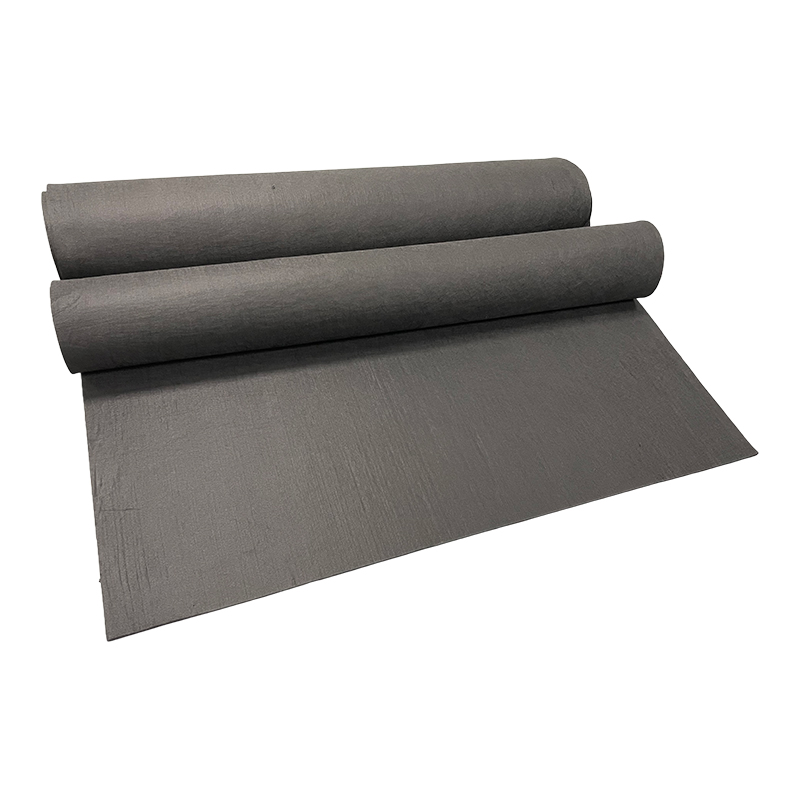
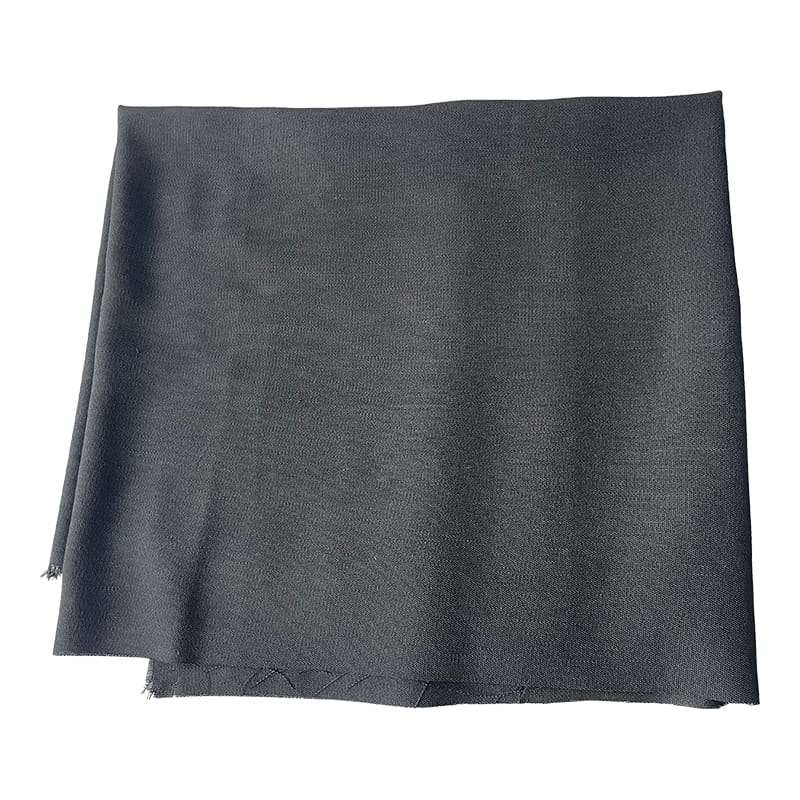
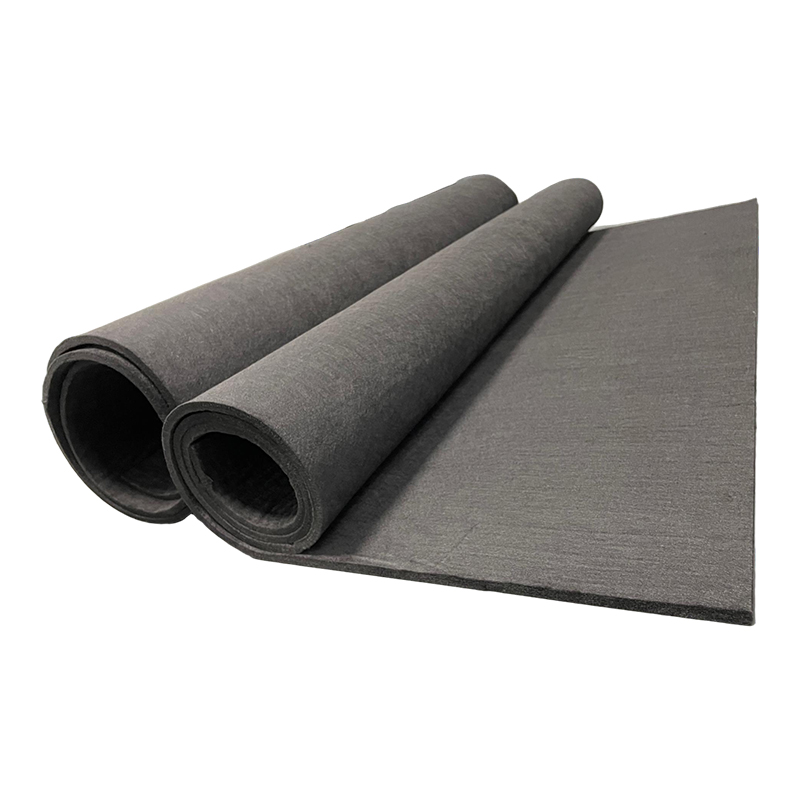
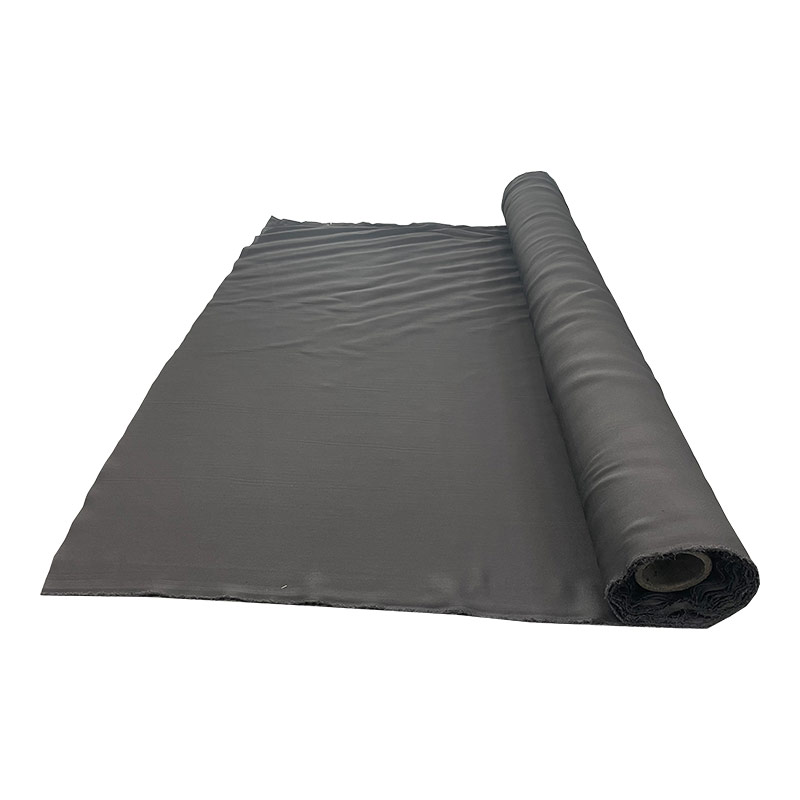
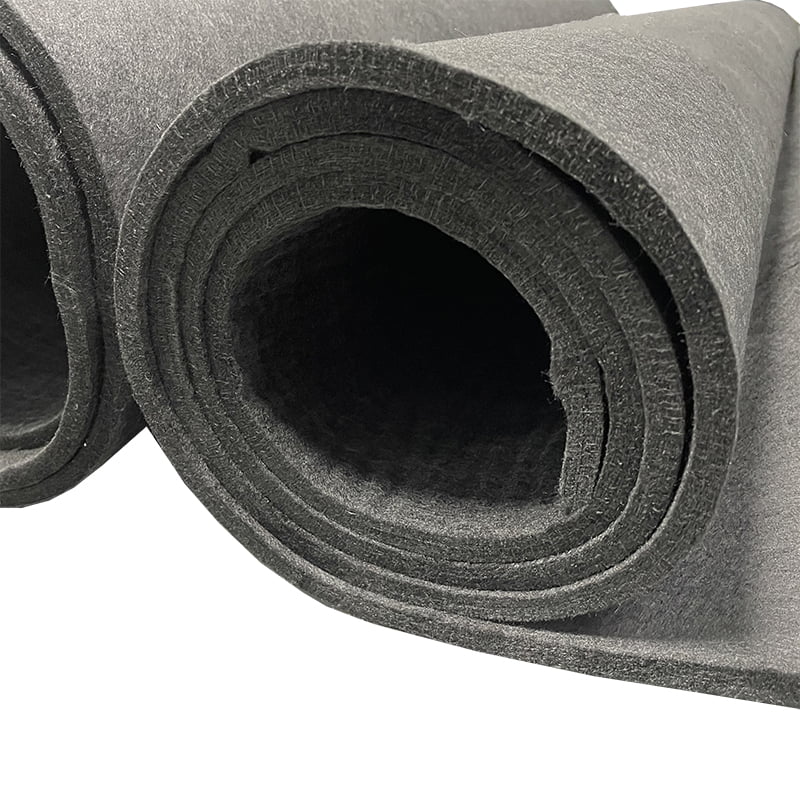
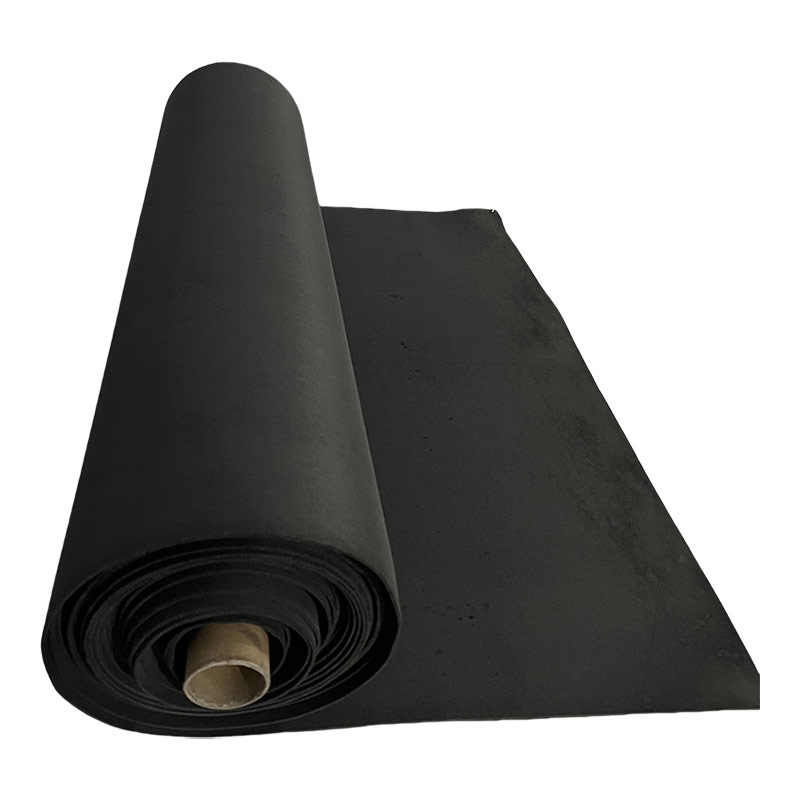
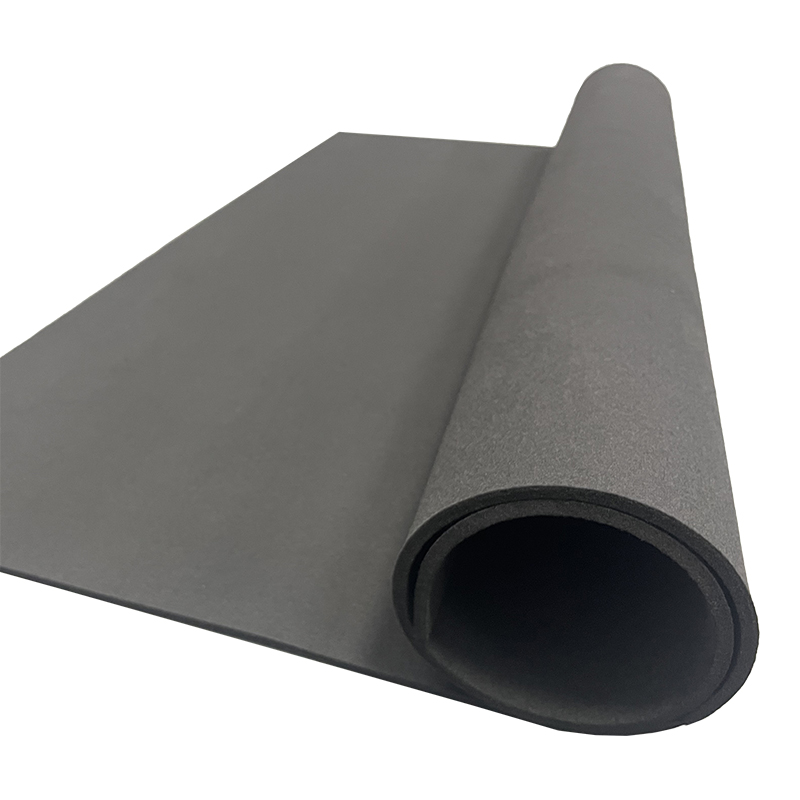
Viscose-based graphite felt is a high-performance carbon material produced by carbonizing and graphitizing viscose (rayon) fiber precursors at temperatures typically ranging from 1,800°C to 3,000°C. The result is a flexible, low-density felt with an ordered graphitic structure that delivers exceptional thermal and electrical conductivity. Unlike PAN (polyacrylonitrile)-based variants, viscose precursors yield a softer, more pliable felt with a higher degree of graphitization, making it the preferred choice for applications where flexibility and thermal efficiency are both critical.
The material retains the fibrous architecture of the original textile precursor throughout the high-temperature treatment process, resulting in a porous, three-dimensional network of graphite fibers. This structure is what gives viscose-based graphite felt its defining combination of properties: low thermal mass, high thermal conductivity, chemical inertness, and mechanical resilience at extreme temperatures.
Key Properties and Performance Characteristics
The performance profile of viscose-based graphite felt is determined by its precursor chemistry and processing conditions. Several properties distinguish it from other thermal insulation and electrode materials:
- Thermal conductivity: Ranges from 4 to 10 W/m·K depending on fiber alignment and graphitization degree, enabling effective heat distribution across large surfaces.
- Operating temperature: Stable up to 3,000°C in inert or vacuum atmospheres, with oxidation onset in air typically above 450°C.
- Bulk density: Typically 0.05–0.20 g/cm³, contributing to low thermal mass and rapid heat cycling performance.
- Porosity: 85–95%, enabling excellent electrolyte wetting in electrochemical applications and gas permeability in fuel cells.
- Chemical resistance: Inert to most acids, alkalis, and organic solvents under non-oxidizing conditions.
- Electrical conductivity: 50–200 S/cm depending on graphitization temperature, suitable for electrode and current collector applications.
Compared to PAN-based graphite felt, viscose-based material generally exhibits superior softness and drapeability, which reduces handling damage during installation in tight geometries. Its lower modulus of elasticity also makes it more forgiving under compressive loading in stack assemblies.
| Property | Viscose-Based | PAN-Based |
|---|---|---|
| Graphitization Degree | High | Moderate |
| Fiber Flexibility | High | Moderate to Low |
| Thermal Conductivity | 4–10 W/m·K | 2–6 W/m·K |
| Surface Area | Moderate | Higher |
| Cost | Lower precursor cost | Higher precursor cost |
Manufacturing Process: From Rayon to Graphite
The production of viscose-based graphite felt follows a well-defined thermal conversion sequence, and the conditions at each stage directly determine the final material's properties.
Stabilization and Pre-oxidation
Viscose rayon fiber felt is first subjected to a stabilization treatment in air at 200–400°C. This step converts the cellulose-based precursor into a thermally stable intermediate by removing moisture, initiating dehydration reactions, and forming a char structure that will survive the subsequent high-temperature stages without melting or fusing.
Carbonization
The stabilized felt is then carbonized at temperatures between 800°C and 1,500°C in an inert atmosphere (typically nitrogen or argon). During this stage, non-carbon elements — primarily hydrogen, oxygen, and nitrogen — are driven off as gases, leaving behind a carbon skeleton with a turbostratic (disordered graphitic) structure. Carbon yield from viscose precursors is typically 20–30% by weight, lower than PAN-based routes, which influences cost modeling for large-scale production.
Graphitization
The final and most energy-intensive step involves heating the carbonized felt to 2,000–3,000°C in a vacuum or inert atmosphere furnace. At these temperatures, the disordered carbon rearranges into the well-ordered layered graphite crystal structure (sp² hybridized carbon). The degree of graphitization — quantified by the interlayer spacing d₀₀₂ approaching the ideal 0.3354 nm — directly governs electrical and thermal conductivity. Higher graphitization temperatures yield lower resistivity and higher conductivity but require greater energy input.
Primary Applications Across Industries
Viscose-based graphite felt finds application wherever high-temperature stability, electrochemical activity, and thermal management must coexist. The following sectors represent its most significant and growing demand areas.
Vanadium Redox Flow Batteries (VRFB)
In VRFB grid-scale energy storage systems, graphite felt serves as the electrode material through which electrolyte flows and electrochemical reactions occur. Viscose-based felt is favored for its high porosity (ensuring low flow resistance), adequate electrical conductivity, and stable performance in the strongly acidic vanadium electrolyte environment. Heat-treated felt (at 400–600°C in air for surface activation) increases oxygen-containing functional groups, improving wettability and reaction kinetics. As global deployment of VRFB systems accelerates for renewable energy storage, demand for high-quality graphite felt electrodes is projected to grow substantially through 2030.
High-Temperature Thermal Insulation
In vacuum furnaces, hot press sintering equipment, and crystal growth systems (e.g., Czochralski silicon ingot pullers), graphite felt is used as thermal insulation lining. Its low thermal conductivity at high temperatures, minimal outgassing, and ability to maintain structural integrity at 2,500°C+ make it superior to ceramic fiber alternatives in these environments. Typical applications include hot zone insulation in sapphire crystal furnaces, SiC crystal growth reactors, and aerospace component sintering furnaces.
Fuel Cells and Hydrogen Technologies
In certain proton exchange membrane (PEM) and solid oxide fuel cell (SOFC) architectures, graphite felt is used as gas diffusion layers or current collectors. The controlled porosity of viscose-based felt supports uniform reactant gas distribution across the electrode surface, while electrical conductivity ensures efficient current collection. Ongoing development in hydrogen fuel cell vehicles and stationary power systems continues to drive material refinement in this segment.
Carbon-Carbon Composite Preforms
Graphite felt serves as a precursor or reinforcement mat in C/C composite manufacturing, where it is infiltrated with carbon matrix via chemical vapor infiltration (CVI) or liquid resin impregnation. The resulting composites are used in aerospace brake discs, rocket nozzle liners, and re-entry vehicle thermal protection systems — applications demanding materials that retain mechanical strength above 2,000°C.
Selecting the Right Grade: Thickness, Density, and Surface Treatment
Not all viscose-based graphite felt grades perform equally across applications. Procurement decisions should account for several interdependent parameters:
- Thickness: Standard commercial thicknesses range from 3 mm to 20 mm. Thicker felts provide greater thermal resistance; thinner grades are preferred in flow battery stacks where compression ratios and stack dimensions are tightly constrained.
- Bulk density: Lower density (0.05–0.10 g/cm³) maximizes insulation performance and electrolyte permeability; higher density (0.15–0.20 g/cm³) improves mechanical integrity and electrical contact conductivity.
- Graphitization temperature: Material graphitized at 2,800°C+ offers the best conductivity; material processed at 2,000–2,200°C is adequate for insulation applications at lower cost.
- Surface activation: For battery electrodes, heat-treated or acid-treated (HNO₃, H₂SO₄) grades increase hydrophilicity and active site density, directly improving current density and cell efficiency.
- Ash content: High-purity grades (ash content <100 ppm) are required for semiconductor and solar crystal growth applications to prevent contamination of grown crystals.
When specifying for VRFB applications, always request data on BET surface area, electrical resistance (through-plane and in-plane), and compression behavior under relevant stack pressures, as these parameters directly predict cell performance.
Handling, Storage, and Installation Considerations
Graphite felt is mechanically fragile relative to its apparent bulk — individual fibers are brittle and will fracture if bent sharply or abraded. Proper handling extends service life and maintains material performance:
- Store in sealed packaging away from moisture; absorbed water can cause steam-driven fiber damage during initial high-temperature use.
- Avoid sharp bending radii below 50 mm during installation; use smooth mandrels when forming curved insulation liners.
- In flow battery stack assembly, apply uniform compression (typically 10–30% of original thickness) to ensure good electrical contact without excessive flow resistance increase.
- For furnace insulation, overlap felt panel joints by at least 50 mm and stagger joints between layers to eliminate thermal short-circuit paths.
- Fine graphite dust released during cutting is conductive and should be managed with vacuum extraction to prevent contamination of electrical equipment in the vicinity.