


 English
  中文简体
中文简体
Content
- 1 What Are Electrode Materials and Why Do They Matter?
- 2 Electrode Felt: Structure, Types, and Key Properties
- 3 Electrode Felt in Vanadium Redox Flow Batteries
- 4 Beyond Flow Batteries: Other Applications of Carbon and Graphite Felt Electrodes
- 5 Selecting the Right Electrode Felt: Practical Considerations
What Are Electrode Materials and Why Do They Matter?
Electrode materials are the active components that enable charge transfer in electrochemical systems—batteries, fuel cells, supercapacitors, and flow batteries all depend on carefully engineered electrode materials to deliver performance, longevity, and efficiency. The choice of electrode material directly determines a system's energy density, power output, cycle life, and overall cost.
In electrochemical energy storage, the most critical properties of any electrode material include:
- High electrical conductivity to minimize internal resistance
- Chemical and electrochemical stability across operating voltage windows
- Large specific surface area to maximize reaction sites
- Mechanical durability under compressive and thermal cycling
- Cost-effectiveness at industrial scale
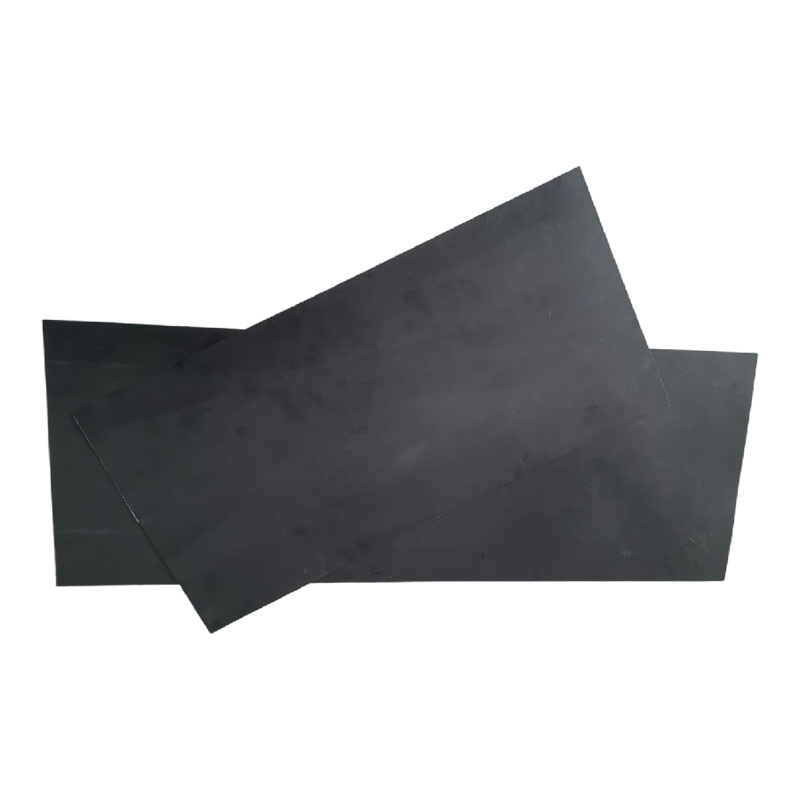
Carbon-based materials—including graphite, carbon black, activated carbon, and carbon fiber—dominate the electrode landscape because they combine excellent conductivity, chemical inertness, and tunable porosity at a relatively low cost. Among these, carbon felt and graphite felt represent a distinct and increasingly important subcategory.
Electrode Felt: Structure, Types, and Key Properties
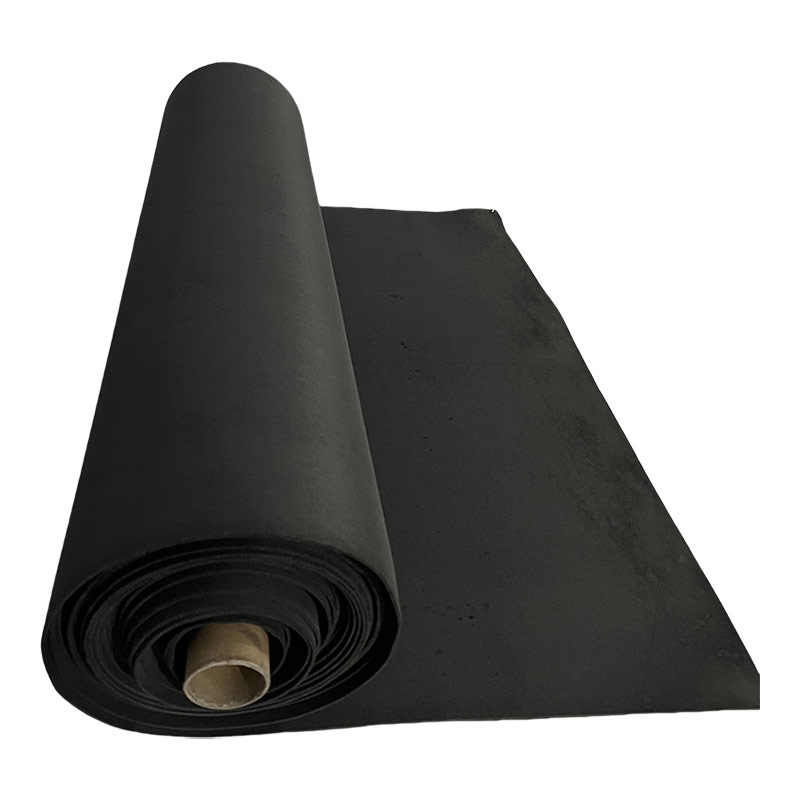
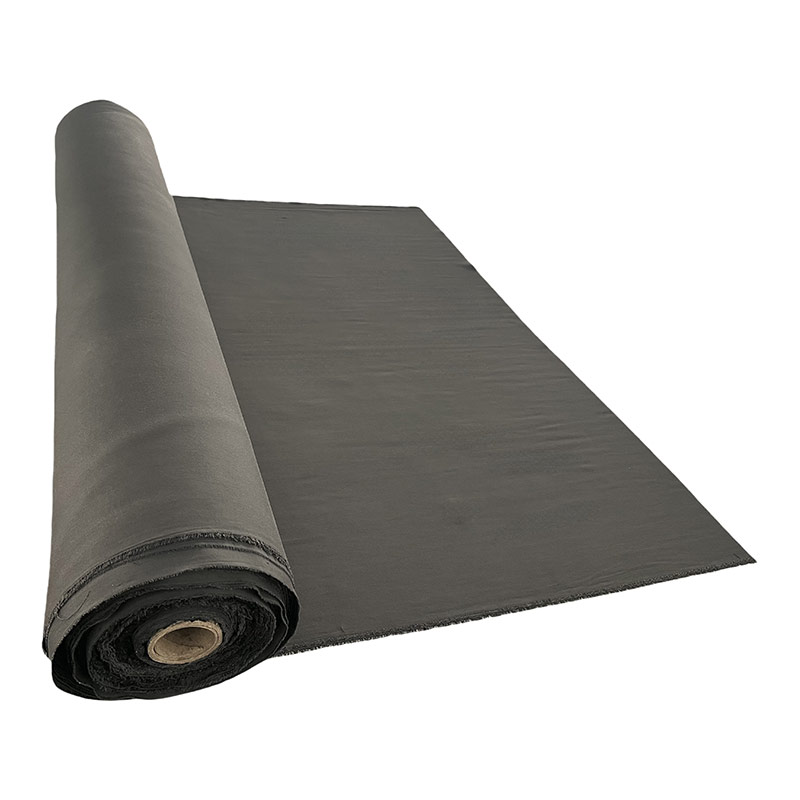
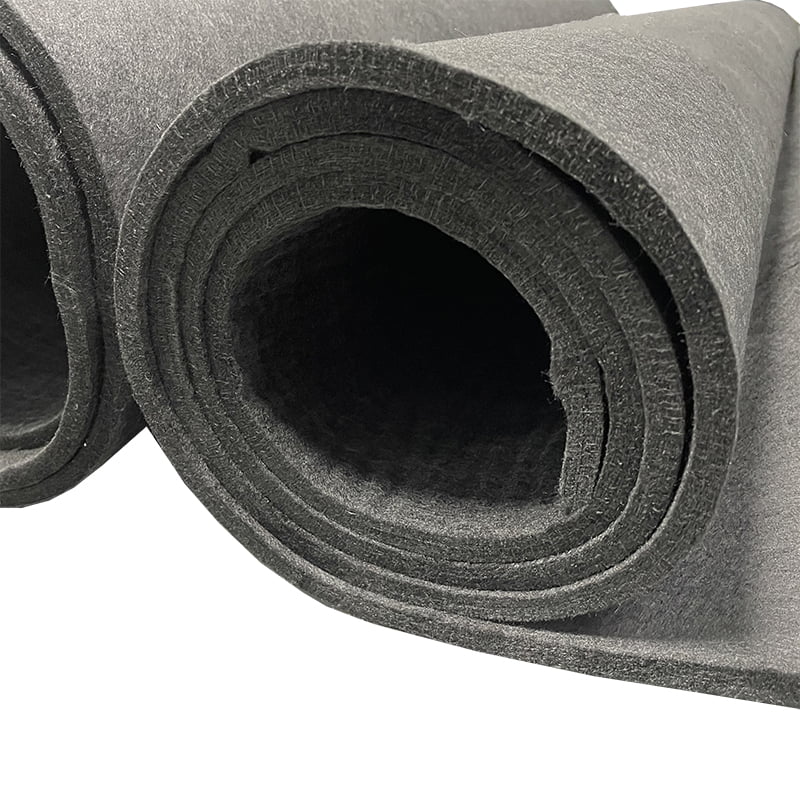
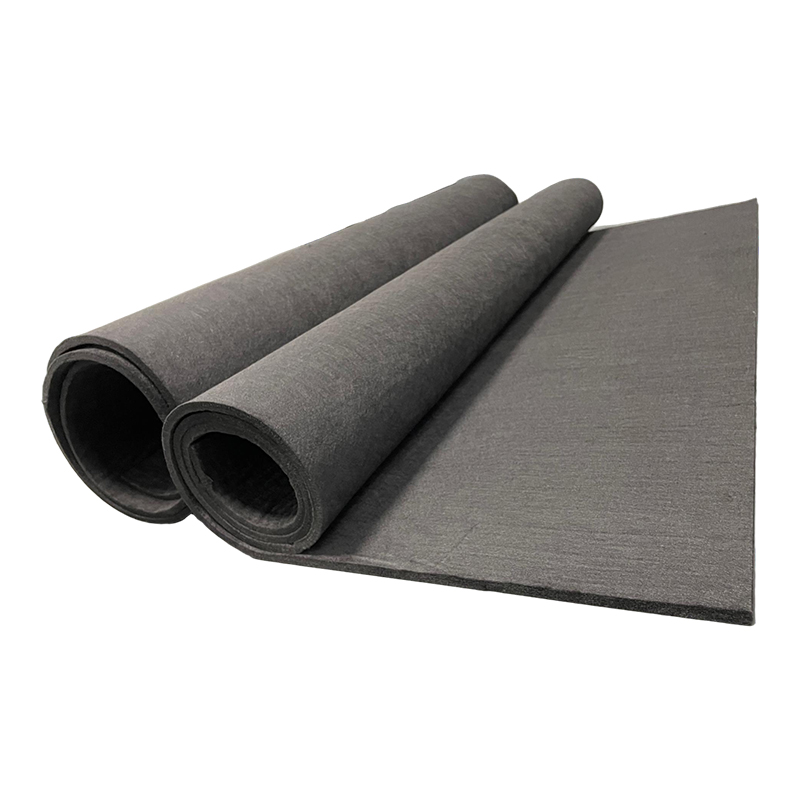
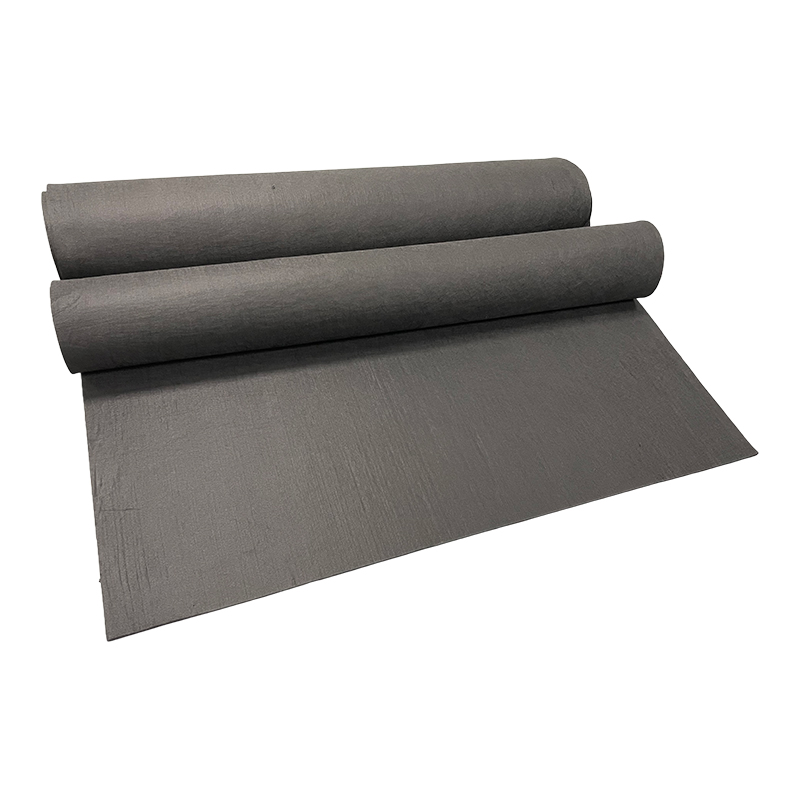
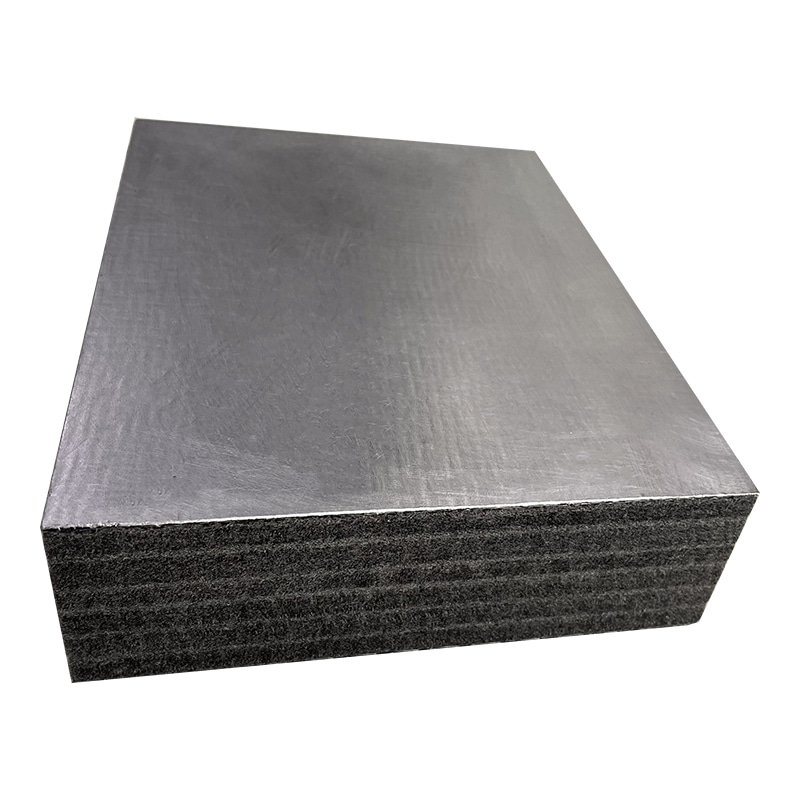
Electrode felt—also called carbon felt or graphite felt depending on processing temperature—is a porous, fibrous carbon material widely used as a three-dimensional electrode in flow batteries, electrochemical reactors, and fuel cells. Its non-woven fibrous structure creates an open, interconnected pore network that allows electrolyte to flow freely through the material while maintaining continuous electrical contact throughout the bulk.
The two main types differ primarily in their manufacturing treatment:
| Property | Carbon Felt | Graphite Felt |
|---|---|---|
| Processing Temperature | ~1000 °C (carbonization) | ~2500 °C (graphitization) |
| Electrical Conductivity | Moderate | Higher |
| Surface Functional Groups | More oxygen-containing groups | Fewer surface groups |
| Wettability | Better as-received | Often requires surface treatment |
| Typical Application | Electrochemical reactors, redox cells | Vanadium flow batteries, fuel cells |
Both types are derived from polyacrylonitrile (PAN) or rayon precursor fibers. PAN-based felts have largely displaced rayon-based products in high-performance applications because they yield fibers with superior tensile strength and more uniform graphitization at equivalent processing temperatures.
Electrode Felt in Vanadium Redox Flow Batteries
Vanadium redox flow batteries (VRFBs) have emerged as one of the leading grid-scale energy storage technologies, and electrode felt is the cornerstone of their electrochemical performance. In a VRFB, felt electrodes serve as three-dimensional current collectors where vanadium ion oxidation and reduction reactions occur. Their high surface area—typically 0.3–1.0 m²/g—provides abundant reaction sites that directly influence charge/discharge efficiency and peak power density.
One persistent challenge with pristine graphite felt in VRFB applications is its hydrophobic character, which limits electrolyte penetration. Surface activation treatments address this effectively:
- Thermal oxidation (300–400 °C in air) introduces C–O and C=O groups, significantly improving wettability
- Acid treatment (HNO₃, H₂SO₄) etches the fiber surface, increasing roughness and functional group density
- Plasma treatment allows precise, uniform surface modification without bulk property changes
- Catalyst decoration (Bi, Nb, TiO₂ nanoparticles) selectively enhances VO²⁺/VO₂⁺ kinetics on the positive electrode
Research consistently shows that properly activated graphite felt electrodes can raise VRFB coulombic efficiency above 98% and energy efficiency above 80% at practical current densities of 100–200 mA/cm².
Beyond Flow Batteries: Other Applications of Carbon and Graphite Felt Electrodes
While VRFBs represent the highest-profile application, electrode felt serves a broad range of electrochemical technologies:
Electrochemical Synthesis and Wastewater Treatment
Packed-bed or flow-through carbon felt reactors are employed for the electrochemical reduction of organic pollutants, heavy metal recovery, and synthesis of fine chemicals. The three-dimensional structure minimizes mass-transfer limitations, a key advantage over flat-plate electrodes in dilute solution processing.
Microbial Fuel Cells and Bioelectrochemical Systems
Carbon felt is a preferred anode material in microbial fuel cells (MFCs) because its porous architecture supports biofilm colonization, its surface chemistry promotes bacterial adhesion, and it maintains electrical contact throughout thick biofilm layers. Surface modification with nitrogen-doped carbon or conductive polymers further enhances electron transfer from biofilms to the electrode.
Supercapacitors and Hybrid Energy Storage
Activated carbon felts—produced by controlled oxidation or KOH activation—achieve specific surface areas exceeding 1500 m²/g, making them viable current collectors and active materials in electric double-layer capacitors (EDLCs). Their flexible, self-supporting form factor simplifies cell assembly compared to powder-based electrodes that require binders.
Selecting the Right Electrode Felt: Practical Considerations
Choosing an electrode felt involves balancing several interdependent parameters. There is no universal best option; the optimal material depends on the specific electrochemical system, operating conditions, and cost targets.
- Thickness and porosity: Thicker felts (3–6 mm) provide more reaction volume but increase pressure drop in flow-through configurations. Porosity typically ranges from 85–95%.
- Fiber diameter: Finer fibers (7–10 μm) yield higher surface area and better electrochemical activity; coarser fibers (12–17 μm) offer improved mechanical strength and lower pressure drop.
- Bulk density: Affects compressibility under cell assembly pressure. Most commercial felts have bulk densities of 0.05–0.10 g/cm³ before compression.
- Pre-treatment state: Some suppliers provide thermally or chemically activated felt to eliminate in-house processing steps—an important consideration for manufacturing scale-up.
- Chemical purity: Trace metals in low-purity felts can catalyze electrolyte decomposition in sensitive systems such as VRFBs; high-purity grades (ash content <0.1%) are recommended for long-cycle-life applications.
As grid-scale energy storage demand accelerates, ongoing R&D into surface-engineered, doped, and composite electrode felts is steadily closing the gap between laboratory performance and commercial deployment, making this material class one of the most actively developed in applied electrochemistry today.