


 English
  中文简体
中文简体
Content
- 1 What a Hydrophilic Electrode Felt Datasheet Must Specify
- 2 Hydrophilic Treatment Methods: What Manufacturers Actually Do
- 3 Factory Audit Checklist for Hydrophilic Electrode Felt Suppliers
- 4 How Electrode Felt Quality Affects VRFB and Zinc-Bromine Cells
- 5 FAQ: Hydrophilic Electrode Felt Procurement
- 5.1 Is hydrophilic electrode felt the same as carbon felt or graphite felt?
- 5.2 How can I verify that a manufacturer really delivers hydrophilic electrode felt?
- 5.3 Which treatment is better for a vanadium redox flow battery: thermal oxidation or catalytic coating?
- 5.4 Does a lower contact angle always mean better cell performance?
Hydrophilic electrode felt for flow batteries is a process-defined product, not a catalog item. The same PAN-based felt blank can behave like a hydrophobic sponge or a fully wetted electrode, depending on how the manufacturer oxidizes, coats, and quality-checks its surface.
A system integrator once accepted a "hydrophilic" felt based on a single water-drop test, then watched a 20 kW vanadium redox stack lose 12% voltage efficiency after 300 cycles. The surface oxygen groups were consumed by repeated charge-discharge, and the felt returned to a semi-hydrophobic state. That failure was avoidable: the treatment method and the lot-level contact angle data were never specified in the purchase contract.
Contact angle above 90 degrees blocks wetting. Electrolyte cannot enter the microporous fiber network, and up to 30% of the electrode volume stays dry during the first fill of the stack.
What a Hydrophilic Electrode Felt Datasheet Must Specify
A complete hydrophilic electrode felt datasheet states a contact angle range, an electrolyte uptake value, and a lot-level tolerance. The word "hydrophilic" alone is a marketing claim, not a specification.
When you source from a hydrophilic electrode felt manufacturer, push for quantified parameters. The specifications below decide whether the felt improves stack performance or only passes an incoming-inspection photo.
| Parameter | What it controls | Target range | Recommended test |
| Contact angle | Fiber-level wetting | 10-30 degrees | Sessile drop with the actual electrolyte |
| Electrolyte uptake | Pore accessibility | Above 85% in 60 s | Gravimetric immersion |
| Felt density | Porosity and zinc deposition | 0.10-0.16 g/cm3 | Weight divided by volume |
| Through-plane resistance | Ohmic loss in the stack | 3-8 milliohm-cm2 | Two-point probe at 30% compression |
| Surface oxygen content | Redox reaction kinetics | 3-10 at.% | X-ray photoelectron spectroscopy |
| Areal weight | Cost and batch consistency | +/-5% between lots | Cut-and-weigh per roll |
Contact angle is the most valuable line on the sheet, but it must be measured with the same electrolyte the stack will run, not with deionized water. A felt that wets well in water can still resist a vanadium electrolyte with a different surface tension and ionic strength.
Below 20 deg
Contact angle target measured with real electrolyte
Above 85%
Electrolyte uptake within 60 seconds
Below 8 milliohm-cm2
Through-plane resistance at 30% compression
Definition. Contact angle is the angle formed where the electrolyte surface meets the carbon fiber surface. Below 30 degrees, the surface wets spontaneously enough for flow battery operation; below 20 degrees is the preferred target for high-power stacks.
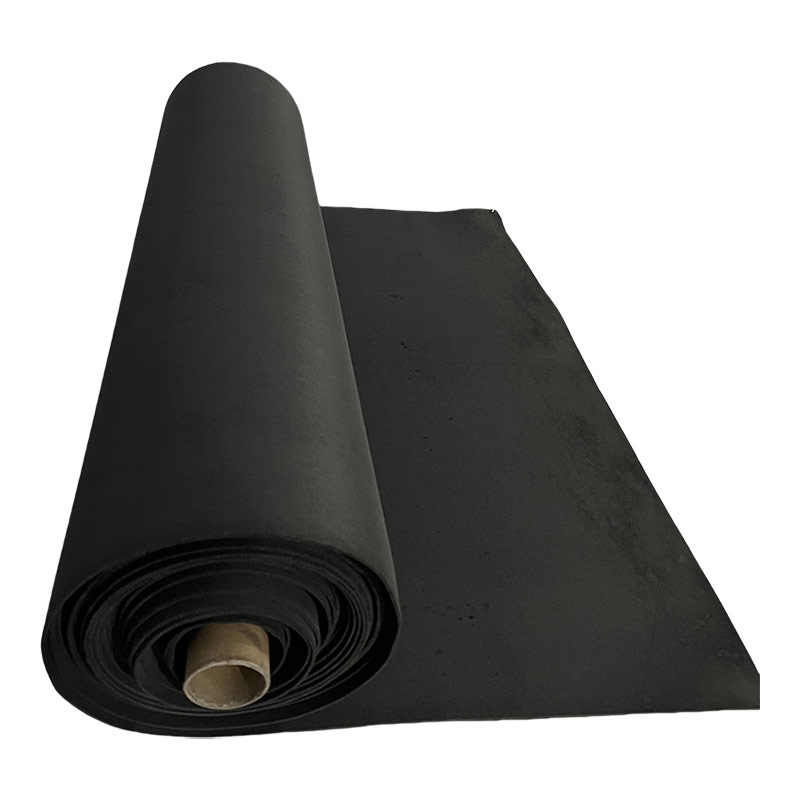
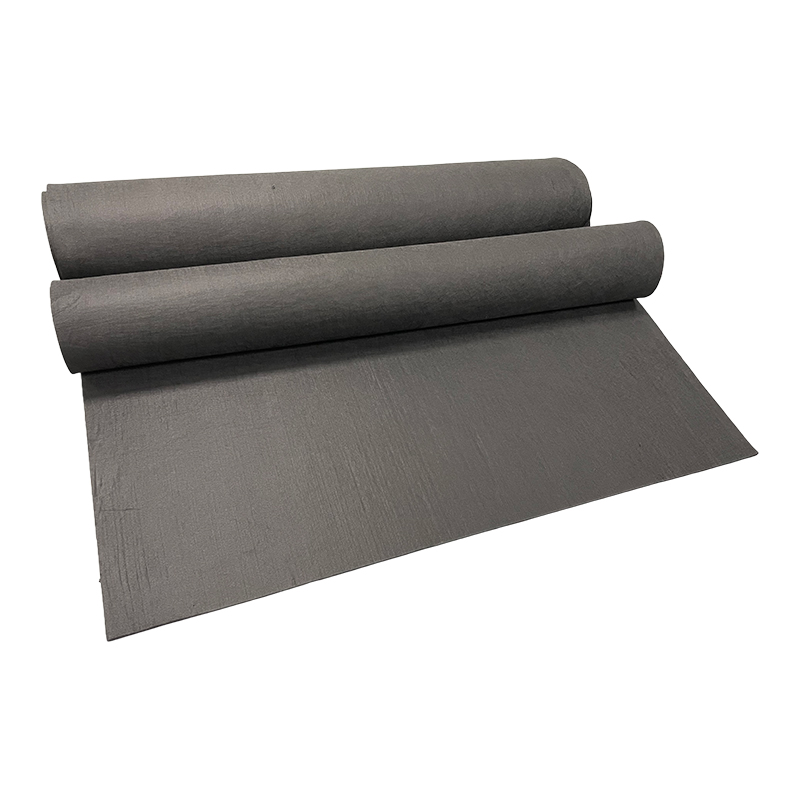
 Electrode Felt1. The gas-phase deposition type electrode felt independently developed by our company is the first batch-produced electrode felt in the industry through CVD process. ...View Product →
Hydrophilic Treatment Methods: What Manufacturers Actually Do
Manufacturers create hydrophilicity through thermal oxidation, wet-chemical oxidation, plasma treatment, or a catalytic coating. Each route leaves a different functional group profile, durability, and cost.
After graphitization above 2000 C, carbon felt is strongly hydrophobic, with contact angles of 110-125 degrees. The hydrophilization step re-introduces polar oxygen groups onto the fiber surface, and the treatment method decides how long the effect lasts under cycling.
Thermal oxidation
How it works: heating felt in air at 400-600 C to grow C=O and COOH groups on the fiber surface.
Strengths: uniform across the roll, low cost, fast turnaround.
Limits: surface groups partially reduce during charge-discharge; durability is moderate.
Wet-chemical or catalytic coating
How it works: applying acid digestion or a carbon-catalyst layer that carries stable oxygen functions.
Strengths: higher oxygen content, better cycling stability, can add reaction catalyst.
Limits: process control is harder; residual chemicals can contaminate the electrolyte.
Plasma treatment is a third route. It creates precise surface chemistry with minimal bulk damage, but batch size is small and the effect can fade during storage. For zinc-bromine and vanadium redox cells, catalytic coatings usually outperform plain thermal oxidation because the coating survives the oxidizing positive half-cell.
The right test for a hydrophilic treatment is not the first contact angle measurement. It is the contact angle after 50 charge-discharge cycles in the actual electrolyte. Ask the supplier for cycled data or a written test protocol before qualifying a new felt.
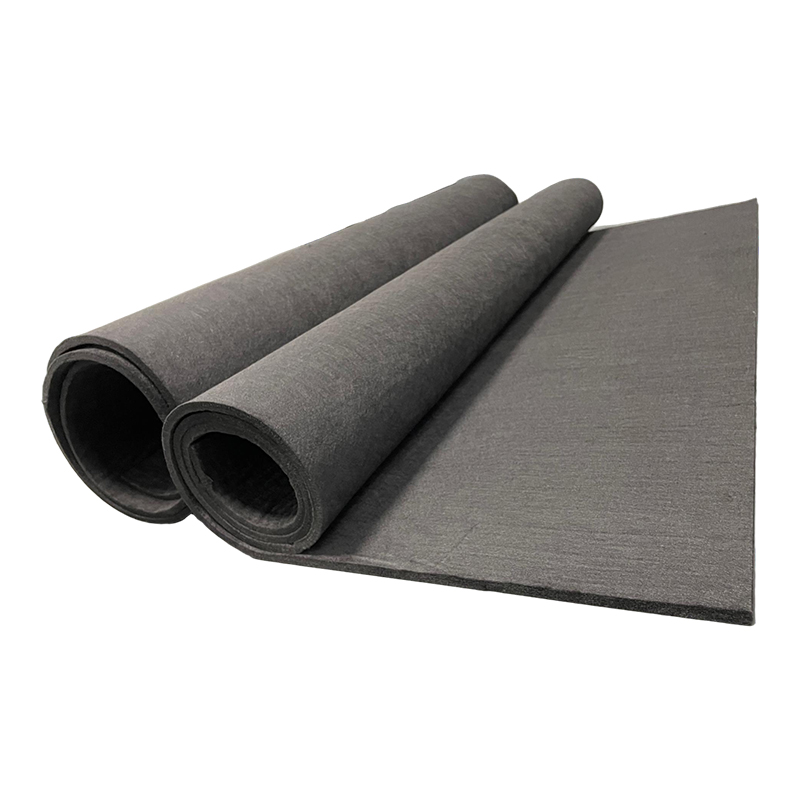
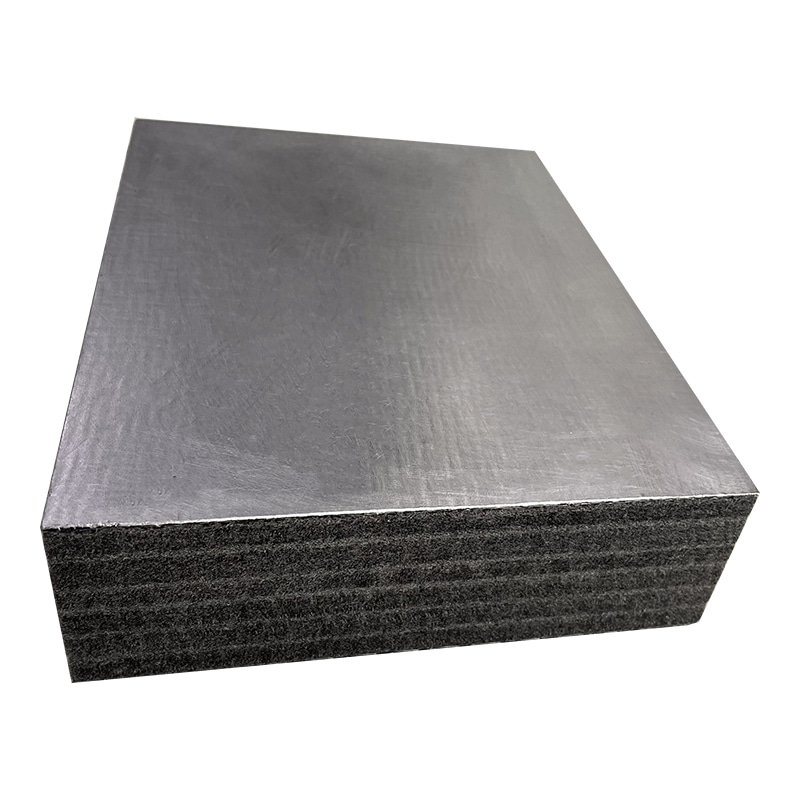
 PAN-Based Graphite FeltPolyacrylonitrile-based (PAN) graphite felt is a fluffy and porous carbon material made from polyacrylonitrile-based (PAN) carbon felt through high-temperature graphit...View Product →
Factory Audit Checklist for Hydrophilic Electrode Felt Suppliers
An audit of a hydrophilic electrode felt manufacturer should verify the treatment line, the in-process test frequency, and the traceability of each roll. Price per kilogram tells you nothing about wettability consistency.
Five checks catch most weak suppliers before you commit to a production order:
- Confirm carbonization and graphitization happen in-house and that the hydrophilization line is on the same site. Outsourcing either step makes process adjustment nearly impossible.
- Ask how often contact angle is tested. Testing every roll is a sign of a mature line; testing only once per batch is a red flag for coating drift.
- Measure thickness across the roll at three positions. More than 5% variation causes uneven stack compression and increases shunt currents.
- Review the certificate of analysis for felt density, areal weight, and contact angle, and confirm the lot number matches the roll label.
- Check packaging. Hydrophilic felt must be sealed against dust and oil vapor; a treated felt can lose its wettability after weeks of open storage.
Jiaxing Naco New Material Co., Ltd. positions itself as a custom conductive carbon products factory. That distinction matters in practice: a factory can adjust carbonization temperature, felt density, and surface treatment in one production flow, while a trader can only resell a fixed specification. When your stack test shows a mismatch, a factory has levers to pull; a trader does not.
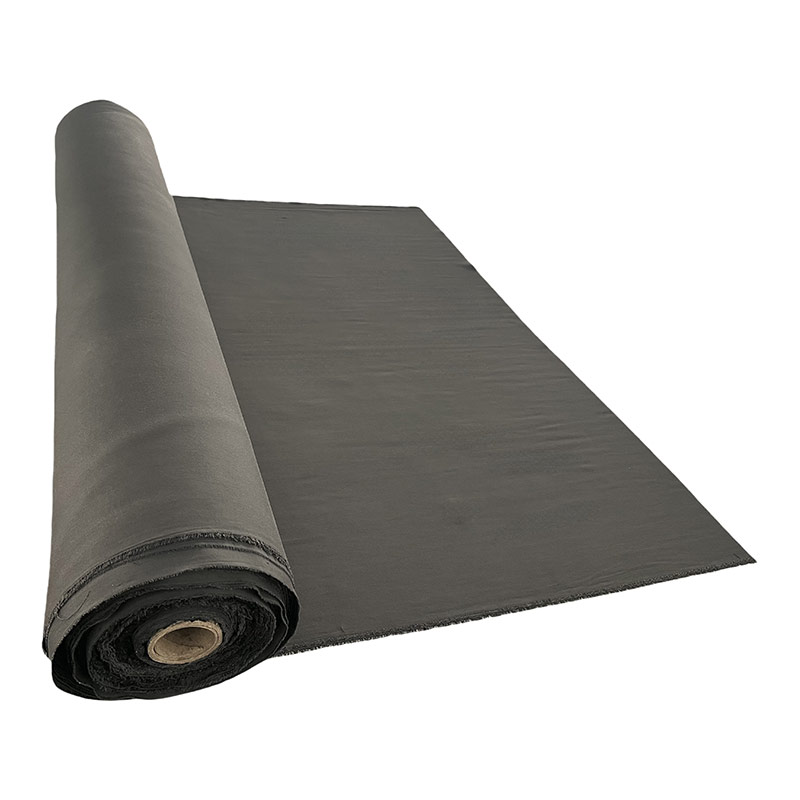
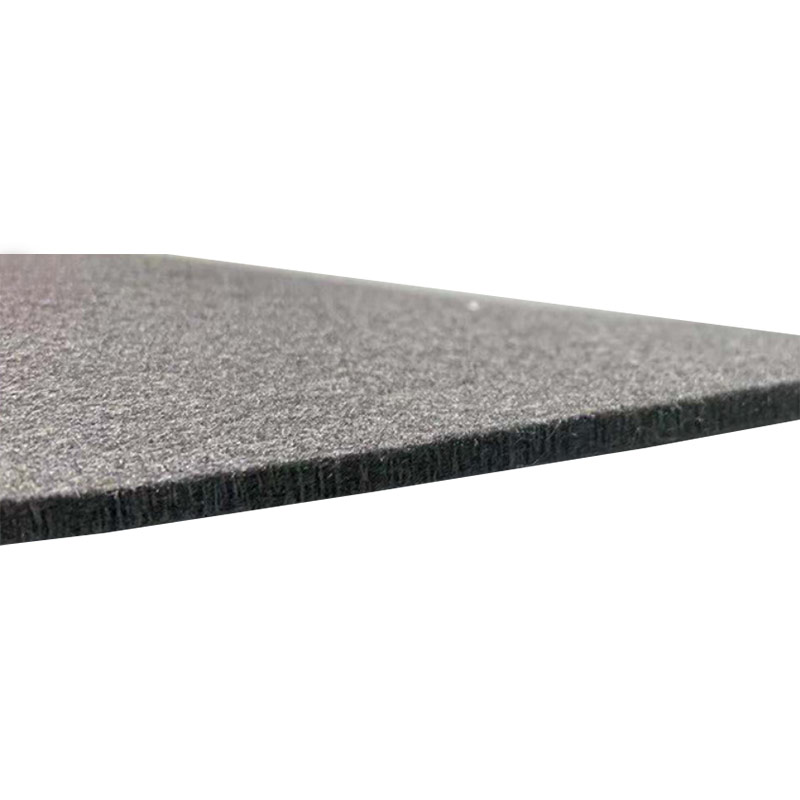
 Viscose-Based Graphite FeltViscose base graphite felt is made from viscose rayon as raw material. It is an excellent high-temperature insulation material. It has the general characteristics of o...View Product →
How Electrode Felt Quality Affects VRFB and Zinc-Bromine Cells
Hydrophilic electrode felt quality changes cell performance in both vanadium redox and zinc-bromine batteries, but the critical parameters differ: surface chemistry governs VRFB kinetics, while felt density and pore structure govern zinc deposition.
In a vanadium redox flow battery, the positive half-cell reaction V(IV)/V(V) is slow on plain carbon. Oxygen functional groups introduced by hydrophilization act as active sites. Keeping surface oxygen content in the 3-10 at.% range raises power density; over-oxidation increases carbon corrosion at the positive electrode and shortens stack life. The mechanism is explained in detail in Naco's technical article on how hydrophilic electrode felt surface chemistry affects VRFB power density.
In a zinc-bromine cell, the felt must distribute zinc deposition uniformly. A dense, hydrophilic felt with a narrow pore size distribution reduces dendrite formation and holds bromine near the electrode. Felt density of 0.10-0.16 g/cm3 is the usual working window; below 0.10 g/cm3, zinc penetrates the felt structure and can create localized short circuits. The connection between electrode felt quality and zinc-bromine flow battery performance is one of the most-read topics in the Naco technical library.
Figure 1. Contact angle after common hydrophilic treatments of graphite felt (lower is more wettable)
Untreated graphitized felt 118 deg
Thermal oxidation 78 deg
Oxygen plasma 45 deg
Catalytic coating 20 deg
Super-hydrophilic target 10 deg
Representative ranges compiled from graphite felt treatment evaluations and manufacturer datasheets.
Comparative lab evaluations report that replacing an untreated felt with a contact angle near 115 degrees with a hydrophilic felt near 20 degrees cut charge-transfer resistance by roughly 40% and increased limiting current density by a similar margin in a 2 kW VRFB test cell.
FAQ: Hydrophilic Electrode Felt Procurement
Is hydrophilic electrode felt the same as carbon felt or graphite felt?
No. Carbon felt is heat-treated around 1000-1400 C and keeps higher surface area and residual oxygen content. Graphite felt is processed above 2000 C, giving lower electrical resistance but a more hydrophobic surface. Hydrophilic electrode felt is usually a graphite-based or carbon-based felt with an additional surface oxidation or coating step for aqueous battery electrolytes.
How can I verify that a manufacturer really delivers hydrophilic electrode felt?
Run a sessile drop test with your own electrolyte on samples from three different positions in the roll and measure the contact angle at 5 and 60 seconds. If the angle does not fall below 30 degrees within 60 seconds, the treatment is weak or the felt has been contaminated. Then request the lot-specific certificate of analysis and compare its values with your own readings.
Which treatment is better for a vanadium redox flow battery: thermal oxidation or catalytic coating?
Catalytic coatings generally give more stable hydrophilicity because the surface groups are protected and survive the oxidizing positive half-cell longer than plain thermal oxidation. Thermal oxidation is cheaper and acceptable for conservatively operated stacks. Ask the manufacturer for cycled contact angle data before choosing.
Does a lower contact angle always mean better cell performance?
No. Excessive oxidation can raise carbon corrosion, increase through-plane resistance, and create gas-trapping surface roughness. The practical target for most flow battery felts is 10-30 degrees. Below 10 degrees, the wetting benefit is marginal while the risk of over-treatment rises.