


 English
  中文简体
中文简体
Content
- 1 How a Carbon Fiber Materials Manufacturer Controls Quality
- 2 Material Formats a Carbon Fiber Materials Manufacturer Should Offer
- 3 Auditing a Carbon Fiber Materials Manufacturer: CoA, Batch Records and First Articles
- 4 Specify the Right Parameters for Energy-Storage Components
- 5 Why Customization Capability Should Decide the Shortlist
- 6 Questions Procurement Teams Ask Before Placing an Order
A flow-battery engineer once shortlisted two carbon fiber materials manufacturers whose electrode felt datasheets looked identical. The first shipment varied by +/- 8% in felt density across rolls; the second held thickness to +/- 0.5 mm over 20 rolls. Cell voltage efficiency differed by nearly 4 points within the first 100 cycles. The materials were the same grade. The difference was process control.
That is the first rule of buying carbon fiber materials: evaluate the manufacturer, not just the certificate. A carbon fiber materials manufacturer with real furnace capability can state carbonization and graphitization windows, name the precursor source, and show batch-level quality data. This guide explains what to check, what to measure, and what to write into your next RFQ for energy-storage carbon materials.
Jiaxing Naco New Material Co., Ltd., a custom conductive carbon products factory based in Zhejiang, China, is one example of a supplier that publishes process-level application notes on electrode felt and flow-plate design rather than a bare product catalog.
How a Carbon Fiber Materials Manufacturer Controls Quality
The single best predictor of carbon fiber material quality is the heat-treatment window, because heat treatment fixes the electrical, thermal, and structural identity of the final felt or cloth. A low-temperature product is a carbon felt; the same precursor heated past 2000 degrees C becomes a graphite felt. The buyer-visible difference is resistivity, purity, and surface chemistry.
Furnace control also separates factories from traders. An established factory keeps records of ramp rate, soak time, and atmosphere gas for every lot. A trader can only restate the manufacturer's marketing sheet. When you ask about the furnace profile, the answer tells you which type of supplier you are dealing with.
Production heat-treatment windows by material class
Definition Graphitization is the heat-treatment step above 2000 degrees C that moves turbostratic carbon toward an ordered graphite structure, increasing electrical and thermal conductivity, raising chemical purity, and lowering electrochemical activity.
Process sensitivity: a swing of 100 C at the graphitization step can change felt resistivity by roughly 10-15%, enough to alter current distribution in a flow-cell electrode.
Material Formats a Carbon Fiber Materials Manufacturer Should Offer
Multi-format capability reduces qualification risk. If one formula works for felt, cloth, laminate, and composite, the supplier can move a prototype from material selection to cell build without qualifying a second vendor. This matters most in energy storage, where every component touches stack resistance and durability.
| Material | Precursor | Typical form | Main energy-storage role |
| PAN-based carbon felt | PAN | Carbonized felt roll | Electrode substrate, flow-cell preform |
| PAN-based graphite felt | PAN | Graphitized felt roll | Electrode felt for vanadium and zinc-bromine cells |
| Viscose-based graphite felt | Viscose | Graphitized felt sheet | Thermal barrier, high-purity insulation |
| Carbon or graphite cloth | PAN or viscose | Woven roll | Conductive layer, composite reinforcement |
| Cured felt (needle-punched or laminated) | PAN | Rigidized board | Structural insulation, compression parts |
| Carbon-carbon composites | PAN | Board or machined part | Load-bearing high-temperature components |
For electrode applications, the format extends beyond the fiber stage. Electrode felt, electrode cloth, and flow-channel plates determine pressure drop and current collection. A manufacturer that supplies both raw carbon fiber material and finished electrode parts shortens the supply chain and makes performance responsibility easier to assign.
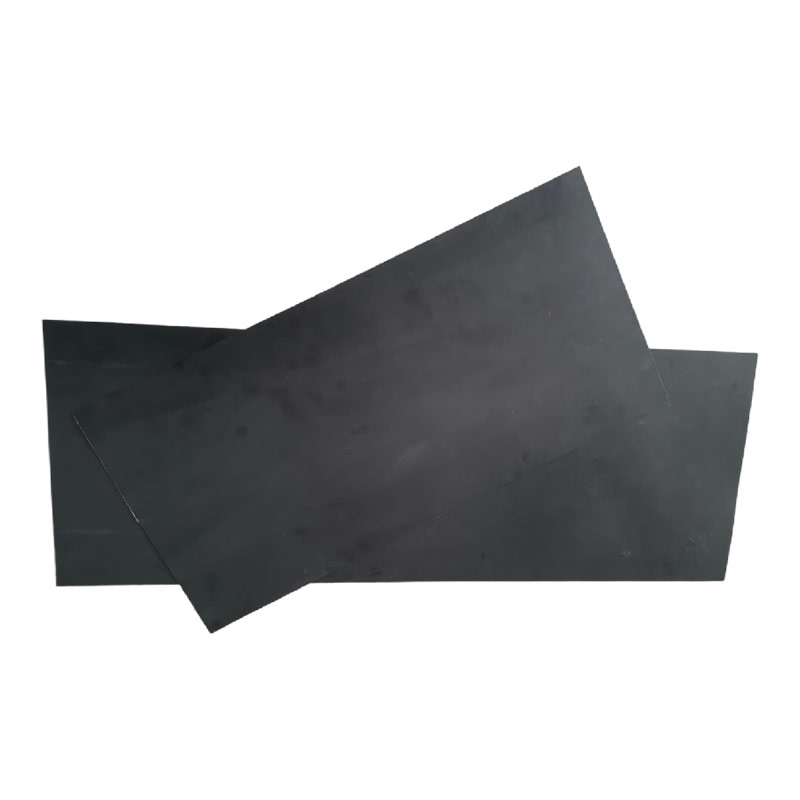
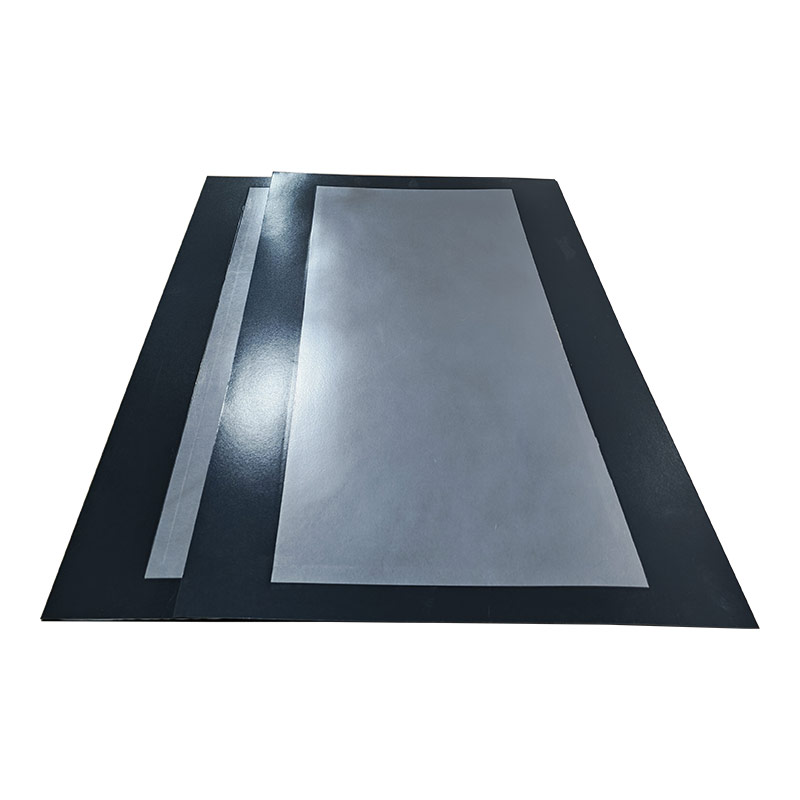
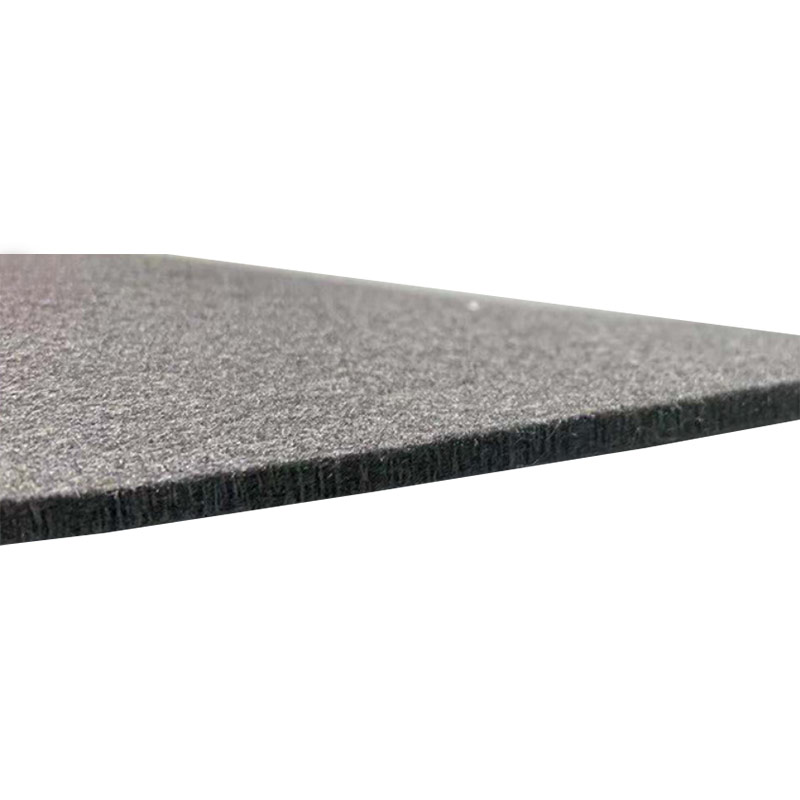 Electrode Felt with Hydrophilic and Hydrophobic VariantsThis electrode felt offers high specific surface area via CVD-grown CNTs for permanent hydrophilicity or a PTFE-CNT coating for hydrophobicity, supporting flow battery and electrolyzer electrodes.View Product →
PAN-based graphite felt is the default workhorse for vanadium redox flow and zinc-bromine electrodes because its porosity and resistivity balance well. Viscose-based graphite felt appears where higher thermal insulation and softer handling are priorities.
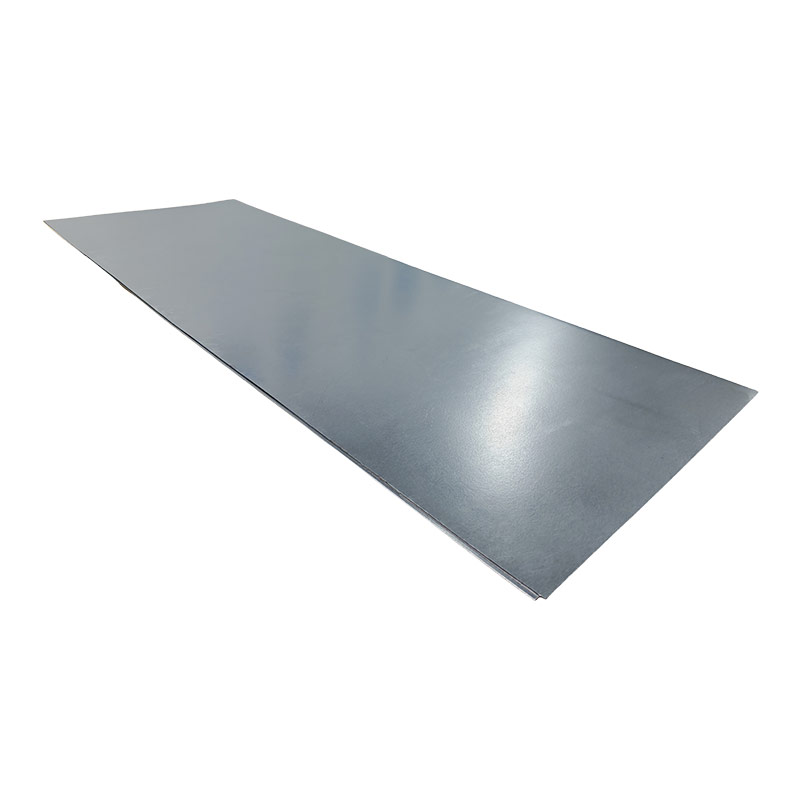
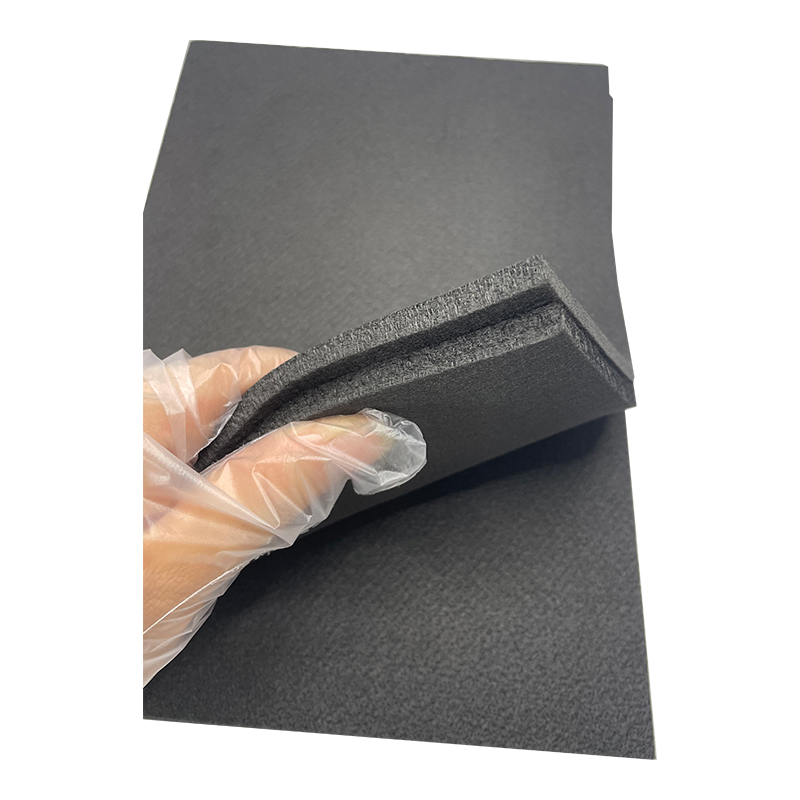 PAN-Based Graphite Felt for Redox Flow ElectrodesGraphitized at 2200°C, this PAN-based felt delivers stable conductivity and low thermal expansion, making it the default electrode material for vanadium and zinc-bromine flow batteries.View Product →
Carbon-carbon composites cover the structural end of the range: rigid, machinable, and dimensionally stable. A single factory can translate these formats into electrode parts with consistent tolerances.
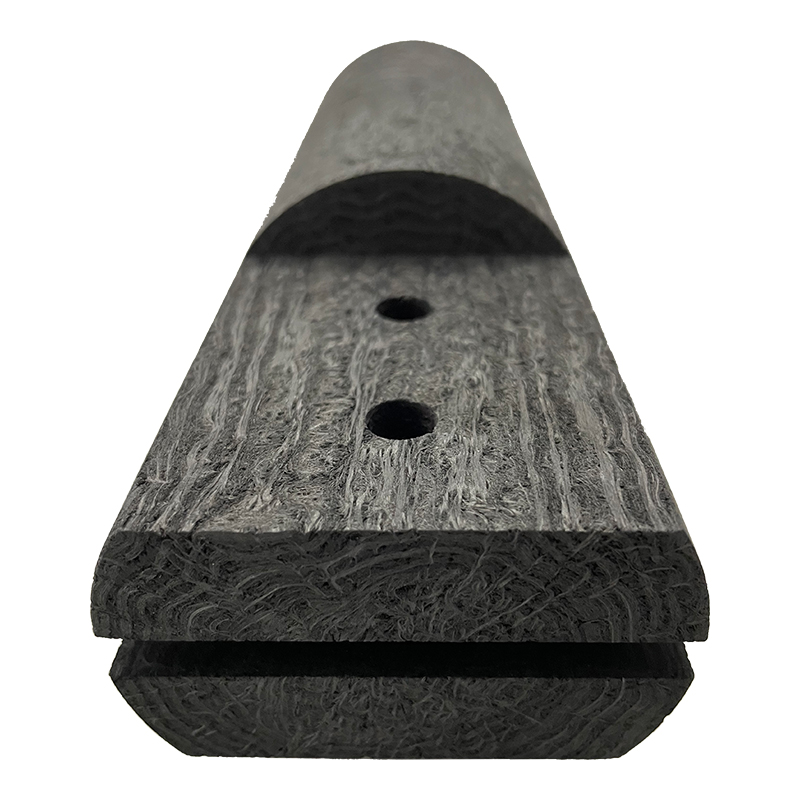
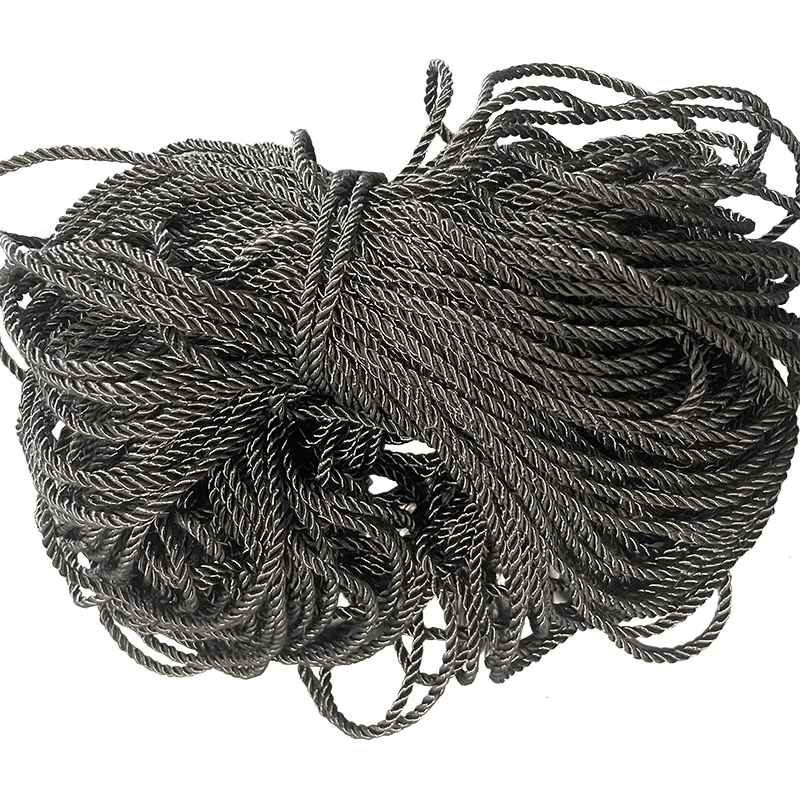 Lightweight Carbon-Carbon Composite for Thermal StructuresThis carbon-carbon composite provides low density, high-temperature strength, and ablation resistance, enabling rigid and dimensionally stable parts for thermal structures.View Product →
Factory-level suppliers can name the process change for each format. Traders and agents cannot.
Auditing a Carbon Fiber Materials Manufacturer: CoA, Batch Records and First Articles
A credible carbon fiber materials manufacturer issues a certificate of analysis for every batch and backs it with furnace logs. No certificate means the measured values are not verifiable; no logs mean the certificate is decorative. Ask for both before discussing price. The practical stakes are visible in the supplier's technical analysis of electrode felt quality in zinc-bromine flow batteries, where density and surface state move cycle efficiency directly.
Precursor traceability. Confirm PAN or viscose grade, lot numbers, and any sizing or surface treatment applied before conversion.
Heat-treatment records. Ask for carbonization temperature range, graphitization soak, and atmosphere data per lot.
Dimensional control. Review density, thickness, areal weight, and width measurements taken at intervals along each roll.
Surface chemistry. In electrode applications, surface oxygen groups affect electrolyte wetting and kinetic activity.
Packaging and shelf life. Roll cores, moisture barriers, and clean handling prevent contamination between factory and stack.
0.5 mmTypical thickness tolerance held across multiple rolls of graphitized felt
90-95%Usable porosity range for flow-cell electrode felt grades
5 pointsMinimum measurement points recommended for a first-article audit
What a spec sheet tells you target density, resistivity, thickness, ash content, and the supplier's claimed measurement method.
What a trial order tells you uniformity across the roll, edge effects after cutting, handling during stacking, and how the manufacturer responds to a failed measurement.
First-article rule: qualify one roll or sheet, measure at five points, and release no purchase order until the data matches the certificate of analysis.
Specify the Right Parameters for Energy-Storage Components
Write every parameter as a range with a test method. Open-ended requirements such as "low resistivity" invite off-spec material. A purchasing engineer should be able to verify the value on receipt with standard instruments. The parameters below are a practical starting point for an RFQ, not a substitute for your stack's design inputs.
| Parameter | Why it matters | Typical RFQ range |
| Thickness | Determines compression and stack pressure | 3-20 mm, +/- 0.5 mm |
| Bulk density | Affects porosity and electrode resistance | 0.08-0.20 g/cm3 |
| Porosity | Electrolyte flow and active-site access | 90-95% |
| Electrical resistivity | Direct ohmic loss in the cell | 0.05-0.30 ohm-cm |
| Ash content | Purity and side-reaction risk | Less than 0.1% for graphite felt |
| Tensile strength | Handling during assembly | 0.5-3 MPa in machine direction |
Document, don't assume: state the measurement method (four-point probe, caliper, gravimetric density) in the RFQ, and require the same method in the certificate.
Why Customization Capability Should Decide the Shortlist
Customization is a quality feature, not a premium option. A carbon fiber materials manufacturer that cuts felt to cell width, machines a hard flow-channel plate from rigid graphite, or adds a welded edge to a bipolar plate removes assembly risk from your process. Standard stock sizes can hide edge waste and compression problems.
The most useful factory partners discuss tolerances before they quote. They ask how the material will be loaded in the stack, how it will be cut, and how it will be tested. Those questions are the clearest evidence of production experience and the reason a factory-backed supplier beats a trading desk on long-term consistency.
Customization is not a premium feature; it is a quality feature. A manufacturer that adjusts felt density and edge finish to your cell design is engineering supply risk out of your stack.
Questions Procurement Teams Ask Before Placing an Order
How do I verify batch consistency from a carbon fiber materials manufacturer?
Ask for a certificate of analysis on every lot, compare density and thickness values across rolls, and commission a first-article test with at least five measurement points. If the factory cannot produce heat-treatment logs, the certificate is not backed by process data.
What is the practical difference between PAN-based and viscose-based graphite felt?
PAN-based graphite felt is the standard choice for flow-battery electrodes because it balances porosity, resistivity, and mechanical handling. Viscose-based graphite felt tends to be softer and more thermally insulating, which suits thermal management and high-purity insulation roles. Test both in your cell before locking the specification.
Why does heat treatment matter for electrode performance?
Carbonized material has higher resistivity and more surface activity; graphitized material conducts more and is cleaner. For vanadium and zinc-bromine flow cells, graphitized felt is standard because lower resistivity cuts ohmic loss and higher purity reduces side reactions.
What should I put in an RFQ for carbon fiber materials?
State thickness, density or areal weight, porosity, resistivity, ash content, roll width and length, packaging, and the test method for each value. Require a certificate of analysis per batch and a signed first-article report before serial supply.
Bottom line: a carbon fiber materials manufacturer earns trust through furnace records, multi-format range, and custom capability. Apply these four checks, and your next RFQ will produce fewer surprises.