


 English
  中文简体
中文简体
Content
- 1 Quick Answer: Which Carbon Material Should You Choose?
- 2 What Is Carbon Cloth and When Is It Used?
- 3 What Is Carbon Paper and Where Does It Excel?
- 4 What Is Carbon Felt and Why Is It Unique?
- 5 Electrode Felt: Performance Advantages in Electrochemical Systems
- 6 Practical Selection Guide: Which Material Fits Your Application?
- 7 FAQ
Quick Answer: Which Carbon Material Should You Choose?
Carbon cloth, carbon paper, and carbon felt are three distinct porous carbon materials widely used in fuel cells, batteries, and electrochemical systems. The core difference lies in their structure and flexibility: carbon cloth is woven and highly flexible; carbon paper is rigid and thin; carbon felt is a non-woven, thick, and soft fibrous mat. For high-surface-area electrode applications, electrode felt is often preferred due to its superior porosity and electrolyte absorption capacity.
| Property | Carbon Cloth | Carbon Paper | Carbon Felt |
| Structure | Woven fiber | Compressed flat sheet | Non-woven random fiber |
| Flexibility | High | Low (brittle) | Medium to High |
| Thickness | 0.3–0.5 mm | 0.1–0.3 mm | 3–10 mm |
| Porosity | ~70% | ~75–80% | ~90–95% |
| Electrolyte Retention | Moderate | Low | Very High |
| Typical Use | PEM fuel cells, supercapacitors | GDL in fuel cells | Redox flow batteries, electrochemical reactors |
What Is Carbon Cloth and When Is It Used?
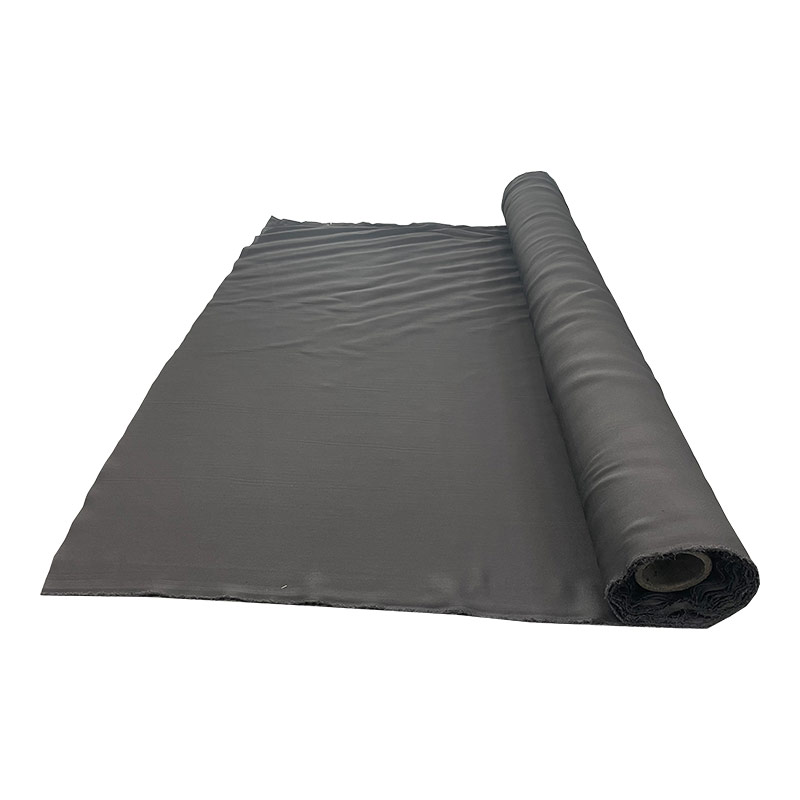
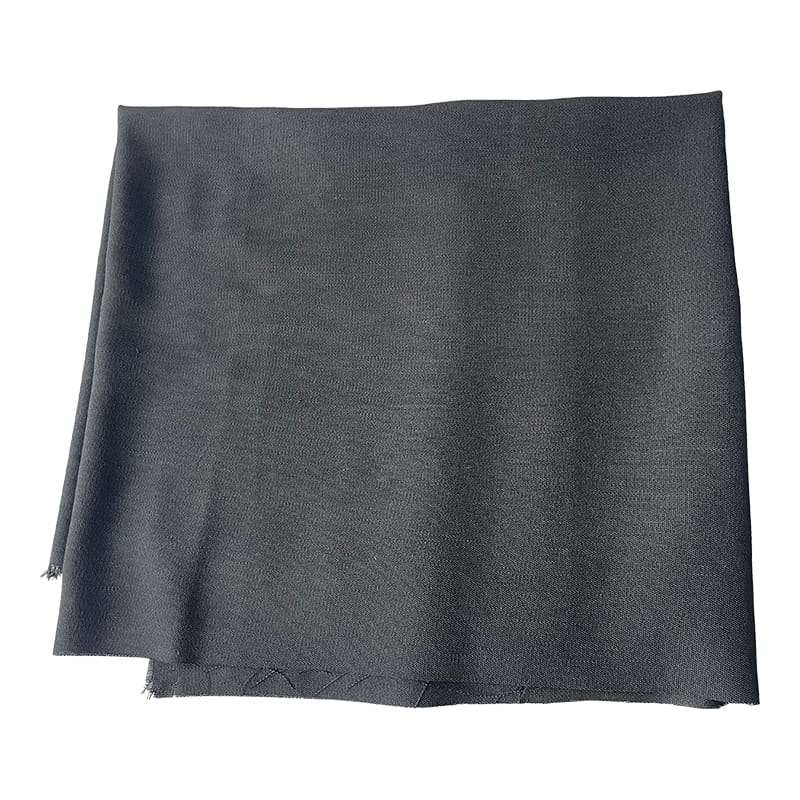
Carbon cloth is made by weaving carbon fiber bundles into a textile-like structure. This woven pattern creates a material that is mechanically strong yet highly flexible, making it suitable for applications where conformability matters.
Key Characteristics
- Typical thickness: 0.3 to 0.5 mm
- Porosity around 70%, allowing moderate gas and liquid transport
- High tensile strength due to its woven architecture
- Good electrical conductivity, typically 50–200 S/cm in-plane
Carbon cloth is commonly used as the gas diffusion layer (GDL) in proton exchange membrane (PEM) fuel cells, as electrodes in supercapacitors, and in flexible energy storage devices. Its woven structure also makes it easier to handle without cracking.
What Is Carbon Paper and Where Does It Excel?
Carbon paper is formed by binding short carbon fibers together with a resin binder and then carbonizing the sheet. The result is a thin, rigid, and relatively brittle material with uniform thickness and consistent electrical properties.
Key Characteristics
- Thickness range: 0.1 to 0.3 mm, the thinnest among the three
- High in-plane electrical conductivity, suitable for compact stack designs
- Porosity of approximately 75–80%
- Prone to cracking under bending stress
Carbon paper is the standard choice for GDLs in hydrogen fuel cells where precise thickness control and flat surface contact are critical. However, its brittleness makes it unsuitable for roll-to-roll processing or flexible device applications.
What Is Carbon Felt and Why Is It Unique?
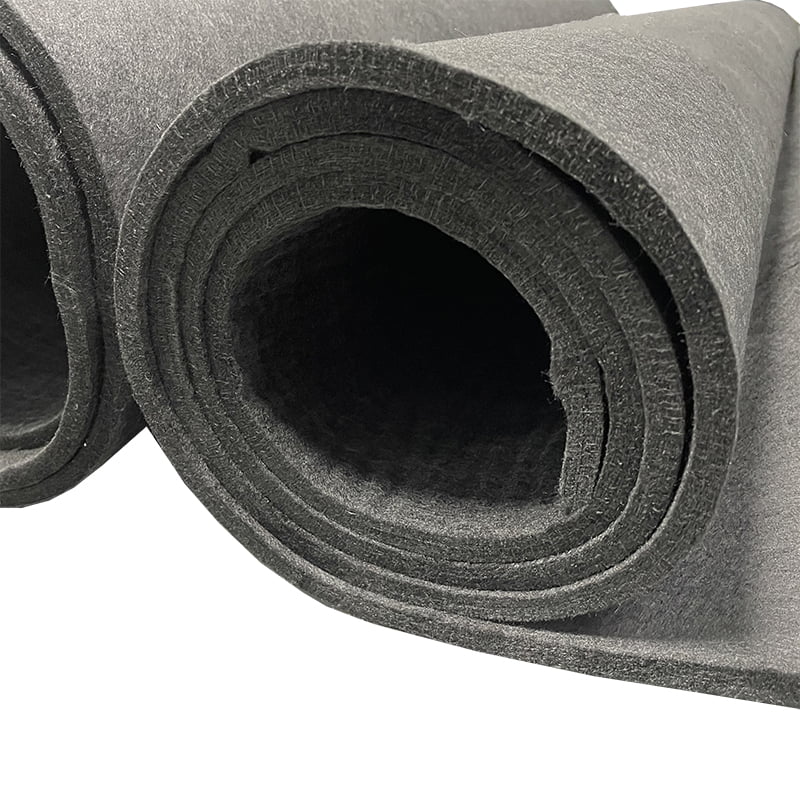
Carbon felt is produced by carbonizing polyacrylonitrile (PAN) or rayon-based felt precursors. The non-woven, randomly oriented fibers create a highly porous, thick, and compressible material unlike either cloth or paper.
Key Characteristics
- Thickness: typically 3 to 10 mm, much thicker than cloth or paper
- Porosity up to 90–95%, enabling excellent electrolyte absorption
- Soft, compressible, and easy to cut or shape
- Lower in-plane conductivity compared to cloth and paper, but acceptable for many electrochemical uses
Carbon felt is especially valued in applications that require large electrolyte contact surface area and deep liquid penetration, such as redox flow batteries and electrochemical synthesis reactors.
Electrode Felt: Performance Advantages in Electrochemical Systems
When carbon felt is specifically engineered and optimized for use as an electrode, it is commonly referred to as electrode felt. This material leverages the inherent porosity and fiber surface area of carbon felt to maximize electrochemical reaction efficiency.
Why Electrode Felt Outperforms in Flow Batteries
In vanadium redox flow batteries (VRFBs), the electrode must allow continuous electrolyte flow while maintaining strong electronic contact. Electrode felt achieves this through:
- High specific surface area: typically 0.5 to 2.5 m²/g, providing abundant reaction sites
- Open pore structure with pore sizes ranging from 50 to 200 µm, enabling low flow resistance
- Thermal stability up to 400°C in air and over 2000°C in inert environments
- Chemical resistance to strong acids and alkalis commonly used as electrolytes
Surface Treatment Enhances Electrode Performance
Raw carbon felt has a relatively hydrophobic surface, which can limit electrolyte wetting. Common surface treatments applied to electrode felt include:
- Thermal oxidation at 400–500°C to introduce oxygen-containing functional groups
- Acid treatment with nitric or sulfuric acid to improve hydrophilicity
- Electrochemical activation to increase active surface area
- Nitrogen or metal doping to enhance electrocatalytic activity
After thermal treatment, the water contact angle of carbon felt can drop from over 130° to below 10°, dramatically improving electrolyte penetration and overall battery efficiency.
Practical Selection Guide: Which Material Fits Your Application?
Choosing the right carbon material depends on your application's specific requirements. Here is a practical breakdown:
| Application | Recommended Material | Reason |
| PEM fuel cell GDL | Carbon Paper | Thin, uniform, high conductivity |
| Flexible supercapacitor | Carbon Cloth | Flexible, strong, good porosity |
| Vanadium redox flow battery | Electrode Felt | High porosity, excellent electrolyte retention |
| Electrochemical reactor | Electrode Felt | Large reaction surface area, chemical resistance |
| High-temperature furnace component | Carbon Felt | Thermal insulation and stability at 2000°C+ |
FAQ
Is carbon felt the same as electrode felt?
Not exactly. Carbon felt refers to the base material, while electrode felt is carbon felt that has been specifically processed or surface-treated for electrochemical electrode use.
Can carbon cloth replace carbon felt in flow batteries?
Carbon cloth can work in some cases, but its lower porosity (~70% vs. 90–95%) and thinner profile limit electrolyte retention, reducing efficiency compared to electrode felt.
Why is carbon paper brittle?
Carbon paper uses a resin binder to hold short fibers together. Once carbonized, this binder becomes rigid and offers little flexibility, making the sheet prone to cracking under bending.
How thick should electrode felt be for a flow battery?
Typical electrode felt thickness for vanadium flow batteries ranges from 3 to 6 mm before compression. After assembly compression, it is usually reduced by 20–30%.
Does carbon felt conduct electricity well?
Carbon felt has moderate electrical conductivity, typically 10–50 S/cm, which is lower than carbon cloth or paper but sufficient for most electrochemical electrode applications.