



 English
  中文简体
中文简体
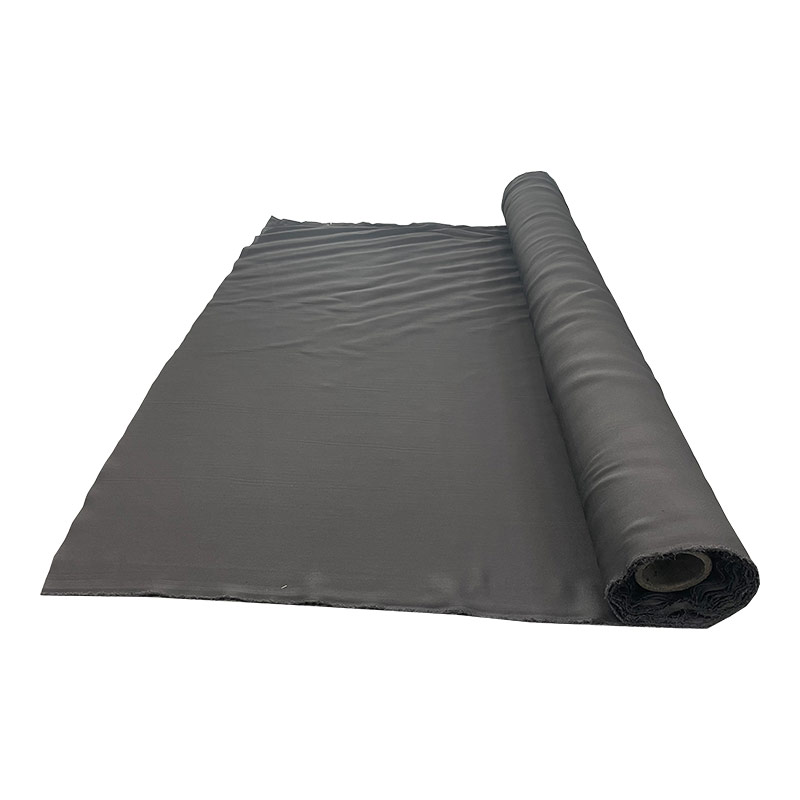

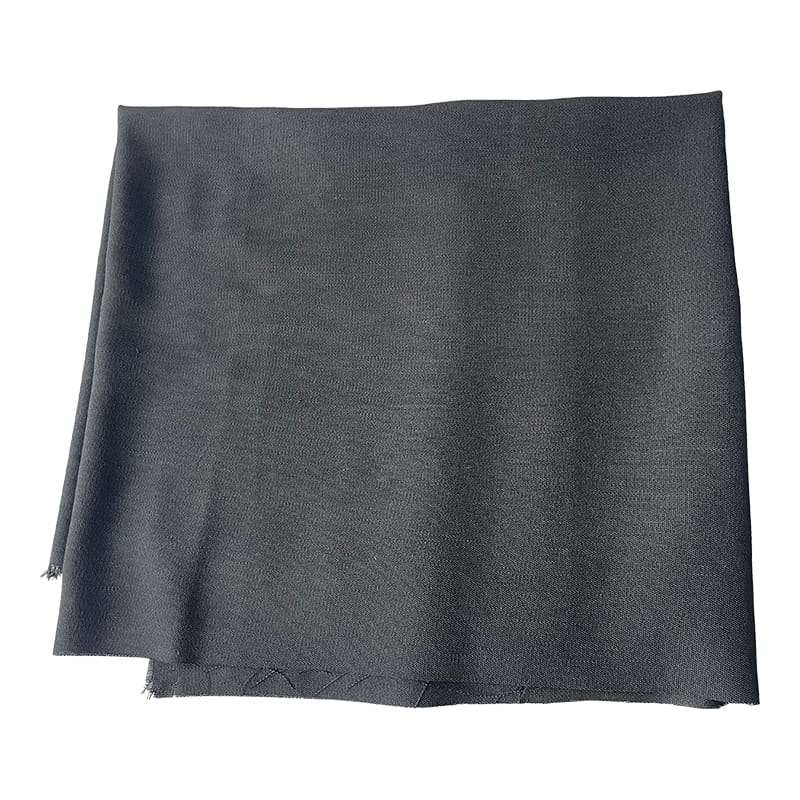
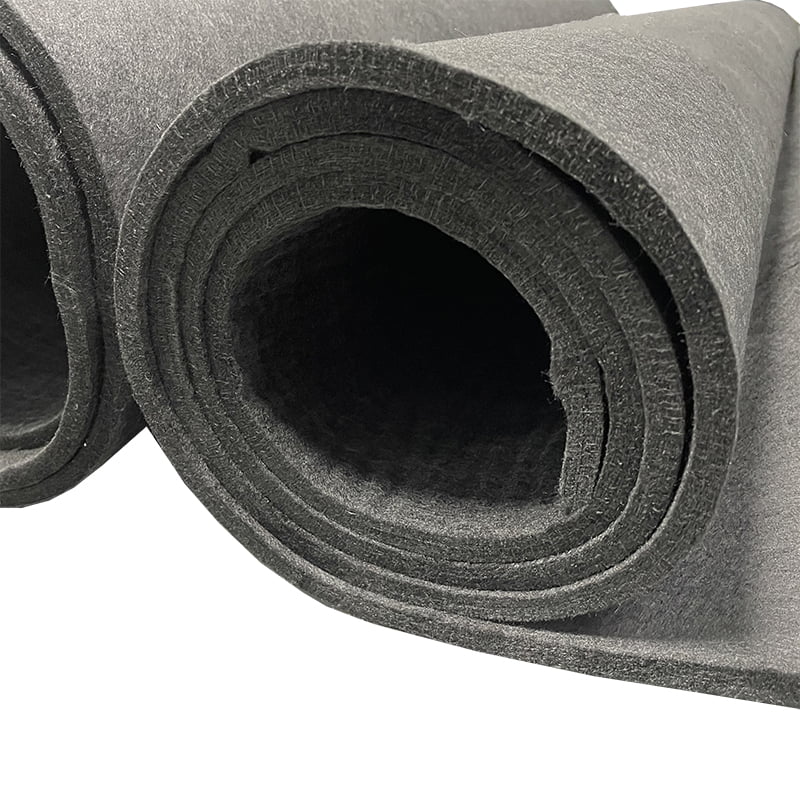
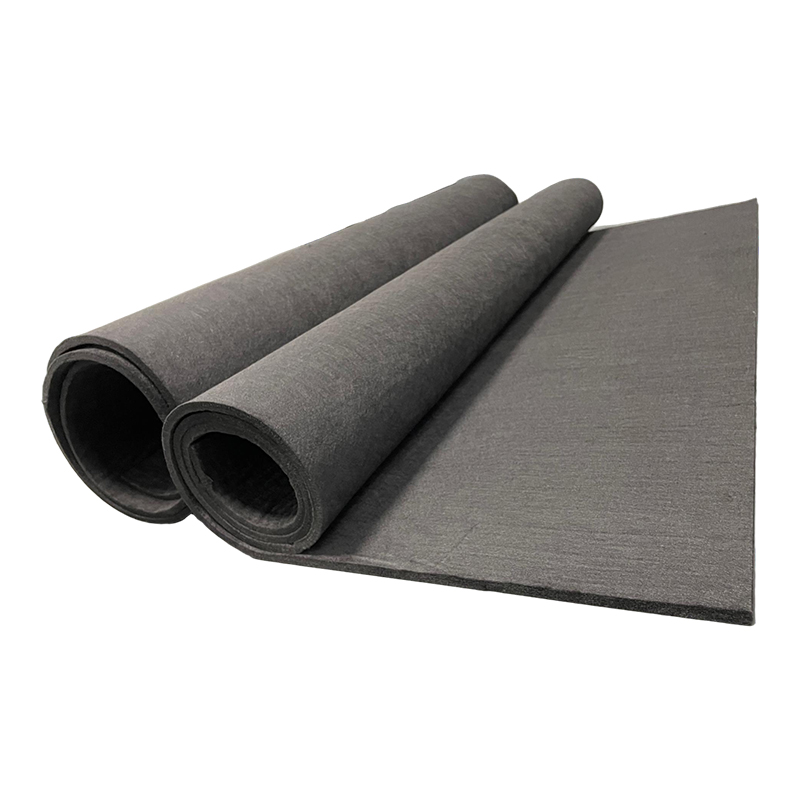
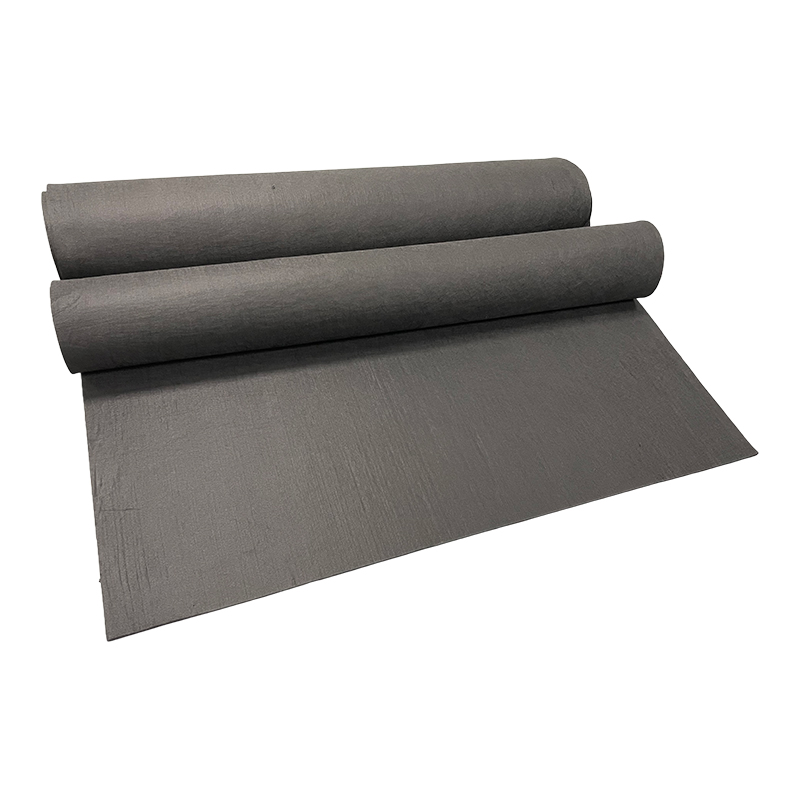
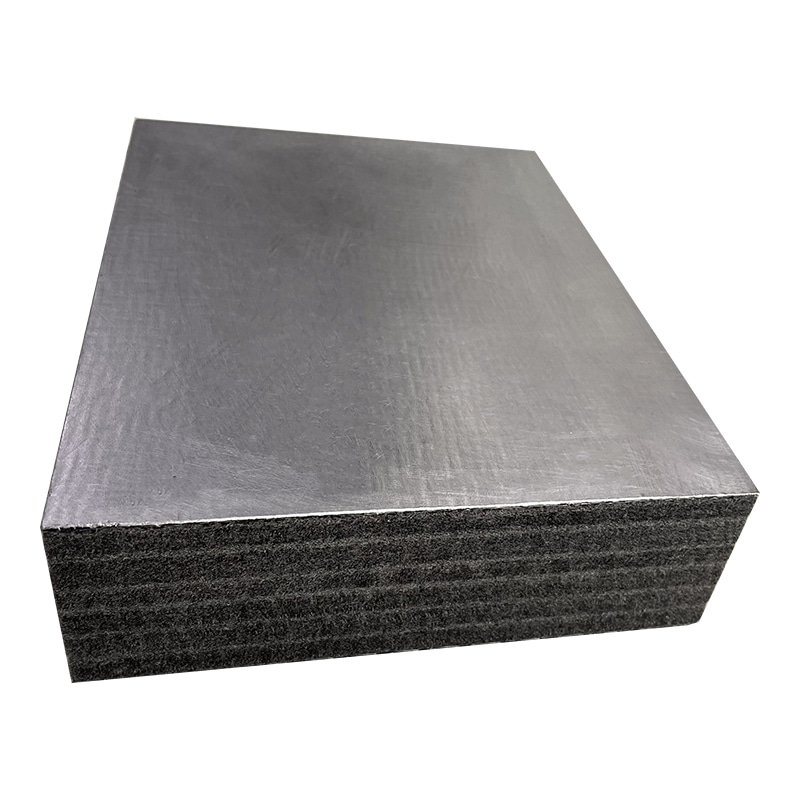
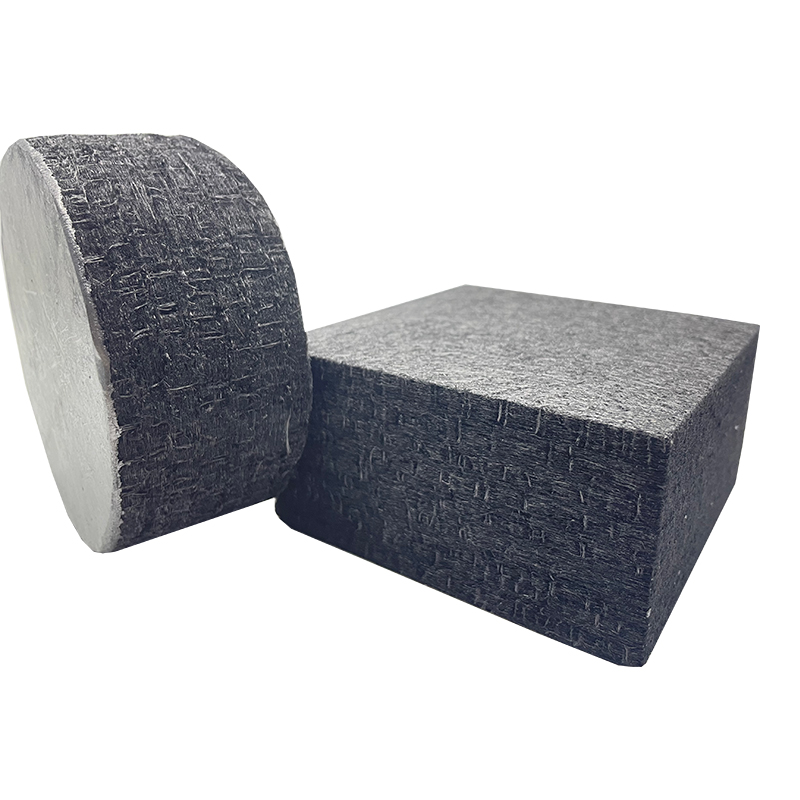
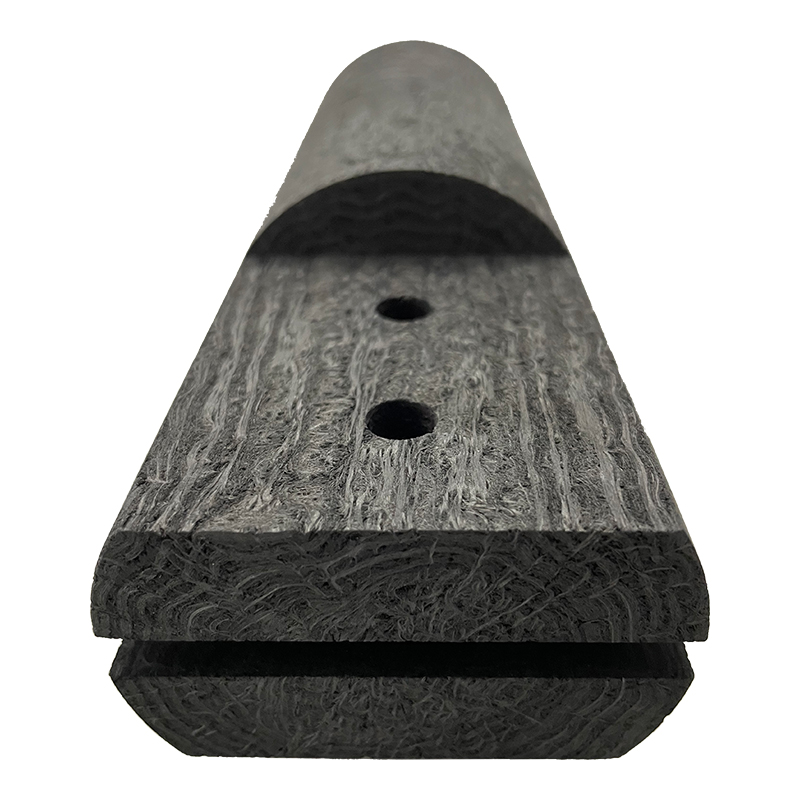

What is the difference between prepreg and standard carbon fiber products?
Introduction to carbon fiber products
Carbon fiber products have become indispensable in industries requiring materials that combine high strength, low weight, and excellent thermal and chemical resistance. These materials are widely applied in high-temperature and friction environments, such as high-pressure gas quenching furnaces, pressure sintering furnaces, silicon carbide recrystallization furnaces, single crystal silicon crystal pulling furnaces, and polycrystalline silicon ingot casting furnaces. Additionally, carbon fiber products are commonly used in conductive and high-temperature insulating applications, such as physiotherapy electrode pads, smelting glass pads, and lure fishing reel brake pads.
The versatility of carbon fiber products arises from their unique combination of mechanical properties and thermal stability. Their low density and high tensile strength make them ideal for structural applications, while their chemical inertness ensures longevity in aggressive environments. Understanding the differences between prepreg and standard carbon fiber products is crucial for selecting the most appropriate material for a given application.
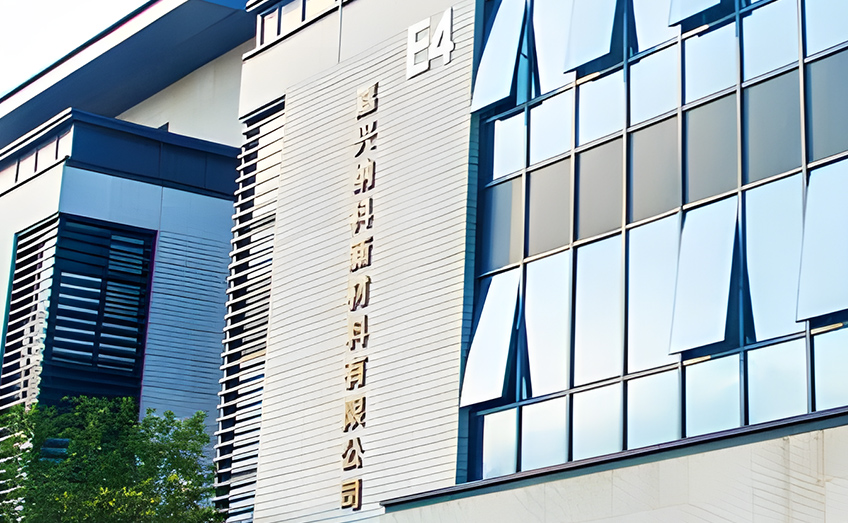
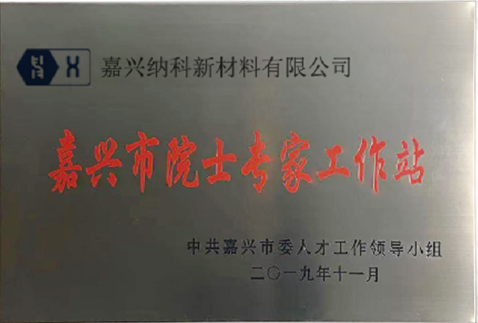
Jiaxing Naco New Material Co., Ltd. / Bohe New Material Co., Ltd. (Jiaxing/Nanchang) was co-founded by the Institute of New Energy Jiashan, Zhejiang Fangxiang Group, and Guangdong Haihua Technology. The company specializes in the R&D, production, and sales of special carbon electrode materials and products, ensuring that customers receive optimized process solutions for industrial sectors such as water electrolysis for hydrogen production, flow batteries, zinc-ion batteries, air batteries, and high-temperature thermal fields. Their approach emphasizes advanced carbon fiber products development with a focus on reliability and performance.
Overview of standard carbon fiber products
Standard carbon fiber products are typically manufactured by impregnating carbon fibers with resins during the production process. The fibers may be arranged in various forms, such as unidirectional, woven, or non-woven fabrics, depending on the required mechanical properties. Once the fibers are impregnated, the material undergoes curing under controlled temperature and pressure to form a solid composite.
Standard carbon fiber products offer several advantages, including flexibility in production and lower cost compared to prepreg alternatives. They are suitable for applications where precise resin control is not critical and where the manufacturing environment allows for post-curing or additional treatments.
The applications of standard carbon fiber products extend to high-temperature and friction materials. For example, in smelting glass pads and high-pressure furnaces, standard carbon fiber composites provide adequate thermal insulation and structural stability. Additionally, physiotherapy electrode pads leverage their electrical conductivity and resilience, which are achievable through standard carbon fiber composite manufacturing methods.
Jiaxing Naco New Material Co., Ltd. / Bohe New Material Co., Ltd. has integrated extensive technical research into standard carbon fiber products, ensuring their composites maintain consistent quality, thermal stability, and mechanical strength. This combination of practical application experience and R&D ensures that their products are suitable for demanding industrial environments.
Introduction to prepreg carbon fiber products
Prepreg carbon fiber products differ fundamentally from standard composites in that the fibers are pre-impregnated with a controlled amount of resin before they are delivered to the manufacturer. These prepreg materials are stored under controlled low-temperature conditions to prevent premature curing and are laid up into molds following precise engineering specifications. The curing process is performed in a carefully controlled environment, often involving autoclaves or specialized presses.
Prepreg carbon fiber products offer superior consistency and predictable mechanical properties compared to standard carbon fiber products. By pre-impregnating the fibers, manufacturers can precisely control resin content, fiber orientation, and void content, leading to enhanced strength, stiffness, and thermal resistance.
In high-temperature and friction applications, prepreg products are preferred where performance reliability is critical. For example, pressure sintering furnaces and silicon carbide recrystallization furnaces benefit from the uniform thermal and mechanical properties of prepreg composites. Likewise, conductive pads used in physiotherapy or industrial smelting processes gain improved durability and operational stability when produced from prepreg materials.
Jiaxing Naco New Material Co., Ltd. / Bohe New Material Co., Ltd. leverages prepreg technology in select applications where stringent material specifications are required. By combining prepreg carbon fiber products with their proprietary processing solutions, the company delivers composites capable of withstanding the most demanding industrial conditions.
Comparison of prepreg and standard carbon fiber products
The differences between prepreg and standard carbon fiber products can be summarized across multiple technical and performance aspects. The following table outlines the key distinctions:
| Aspect | Standard carbon fiber products | Prepreg carbon fiber products |
|---|---|---|
| Resin content control | Variable, often adjusted during production | Precisely controlled, pre-impregnated in fibers |
| Mechanical consistency | Moderate, may vary between batches | High, predictable and uniform |
| Manufacturing complexity | Lower, suitable for general applications | Higher, requires controlled lay-up and curing |
| Cost | Lower, cost-effective for standard applications | Higher, justified by performance and reliability |
| Thermal and chemical performance | Sufficient for many high-temperature uses | Enhanced, suitable for critical high-temperature environments |
| Application focus | General structural, conductive, and friction materials | High-performance, critical structural, and precise thermal applications |
This comparison highlights why prepreg carbon fiber products are often selected for high-performance applications, whereas standard composites remain a practical choice for less demanding environments.
Applications in high-temperature and friction materials
Carbon fiber products are extensively applied in fields where thermal resistance and friction properties are crucial. In furnaces used for high-pressure gas quenching or silicon carbide recrystallization, carbon fiber composites provide stable heat insulation while maintaining structural integrity. Standard carbon fiber products are sufficient for many of these applications, but prepreg materials are preferred when consistency and maximum thermal performance are required.
Friction materials, such as lure fishing reel brake pads, require composites that can withstand repetitive stress and heat buildup. Prepreg carbon fiber products offer uniform performance, reducing wear and improving operational life. Similarly, smelting glass pads benefit from the enhanced mechanical stability of prepreg composites under high-temperature conditions.
In conductive applications, including physiotherapy electrode pads, both standard and prepreg carbon fiber products provide electrical conductivity. However, prepreg variants often exhibit lower variability and improved reproducibility, ensuring reliable performance across multiple production cycles.
Design and process considerations
When selecting between prepreg and standard carbon fiber products, several design and process factors must be considered:
- Fiber orientation: Prepreg allows precise control of fiber orientation, which is critical for directional strength requirements.
- Resin selection: Standard carbon fiber products offer flexibility in resin choice, while prepreg composites use pre-selected resin systems for optimized performance.
- Curing methods: Standard products can often be cured at ambient conditions or simple ovens, whereas prepreg requires controlled temperature and pressure, often with autoclave assistance.
- Production scale: Standard products are more adaptable for larger, less precise applications, whereas prepreg is suited for high-performance components requiring repeatable properties.
- Cost vs. performance: Prepreg materials are higher in cost but deliver consistent, superior mechanical, thermal, and chemical properties. Standard products remain cost-effective for less critical applications.
Considering these factors ensures that industrial users can maximize the performance and durability of carbon fiber products while aligning with project budgets and production requirements.
Quality assurance and testing
Quality assurance for carbon fiber products is critical due to the demanding environments in which they are used. Testing focuses on:
- Mechanical strength: Tensile, compressive, and flexural tests ensure structural integrity.
- Thermal resistance: Exposure to high temperatures confirms suitability for furnace and high-temperature applications.
- Dimensional stability: Prepreg products are monitored for warping or shrinkage during curing.
- Electrical conductivity: For applications like electrode pads, conductivity tests verify performance consistency.
- Friction and wear properties: Brake pads and other friction components are evaluated under repeated stress cycles.
Jiaxing Naco New Material Co., Ltd. / Bohe New Material Co., Ltd. implements rigorous testing and process controls to ensure all carbon fiber products meet industry standards and perform reliably in industrial applications. Their municipal-level Key R&D Laboratory contributes to the continuous development of testing protocols and process optimization for high-performance composites.
Future trends in carbon fiber products
The development of carbon fiber products continues to advance with improvements in resin systems, fiber architecture, and manufacturing techniques. Prepreg technology is increasingly being integrated with automated lay-up processes and advanced curing methods, enabling more complex geometries and higher-volume production without sacrificing quality.
Emerging applications in renewable energy, including water electrolysis for hydrogen production and flow batteries, are driving innovation in carbon fiber composites. Jiaxing Naco New Material Co., Ltd. / Bohe New Material Co., Ltd. applies its strong R&D capabilities and academic collaborations to create special carbon fiber products that address these evolving industrial demands. By leveraging expertise in high-temperature thermal fields and conductive composites, the company continues to enhance material performance and expand industrial applicability.
Conclusion
Understanding the difference between prepreg and standard carbon fiber products is essential for selecting the right material for industrial applications. Standard composites provide flexibility, cost efficiency, and sufficient performance for many high-temperature and friction applications. Prepreg products, however, offer precise control of mechanical and thermal properties, ensuring consistent performance in critical environments.
Through continuous innovation and technical expertise, companies like Jiaxing Naco New Material Co., Ltd. / Bohe New Material Co., Ltd. ensure that both types of carbon fiber products meet the rigorous demands of modern industrial applications. Their commitment to R&D, high-quality production processes, and reliable product solutions underscores the importance of material selection in achieving operational success and long-term durability.
FAQ
Q1: Can prepreg carbon fiber products be used in all high-temperature applications?
A1: Prepreg carbon fiber products are suitable for high-temperature applications, especially where uniformity and precise mechanical properties are critical. For less critical applications, standard carbon fiber products may suffice.
Q2: How do I determine whether to choose prepreg or standard carbon fiber products?
A2: Selection depends on the required mechanical performance, thermal stability, cost constraints, and production capabilities. Prepreg offers higher consistency and performance, while standard products provide flexibility and lower cost.
Q3: Are carbon fiber products conductive?
A3: Yes, carbon fiber products can be conductive, making them suitable for applications like physiotherapy electrode pads and conductive industrial pads. Conductivity may vary based on resin content and fiber alignment.
Q4: How long is the typical lifespan of carbon fiber products in high-temperature environments?
A4: Lifespan depends on the operating temperature, mechanical load, and environmental conditions. Prepreg products generally offer more predictable and extended durability compared to standard composites.
Q5: Can damaged carbon fiber products be repaired?
A5: Minor surface damage may be repaired using specialized adhesives or resin systems, but severe structural damage often requires replacement to maintain safety and performance standards.



