



 English
  中文简体
中文简体
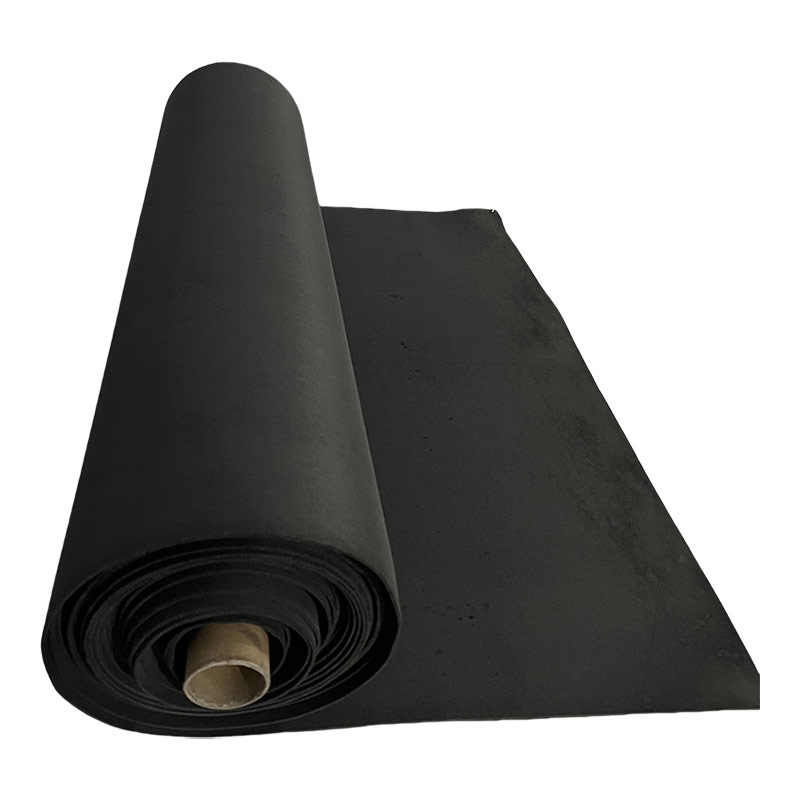

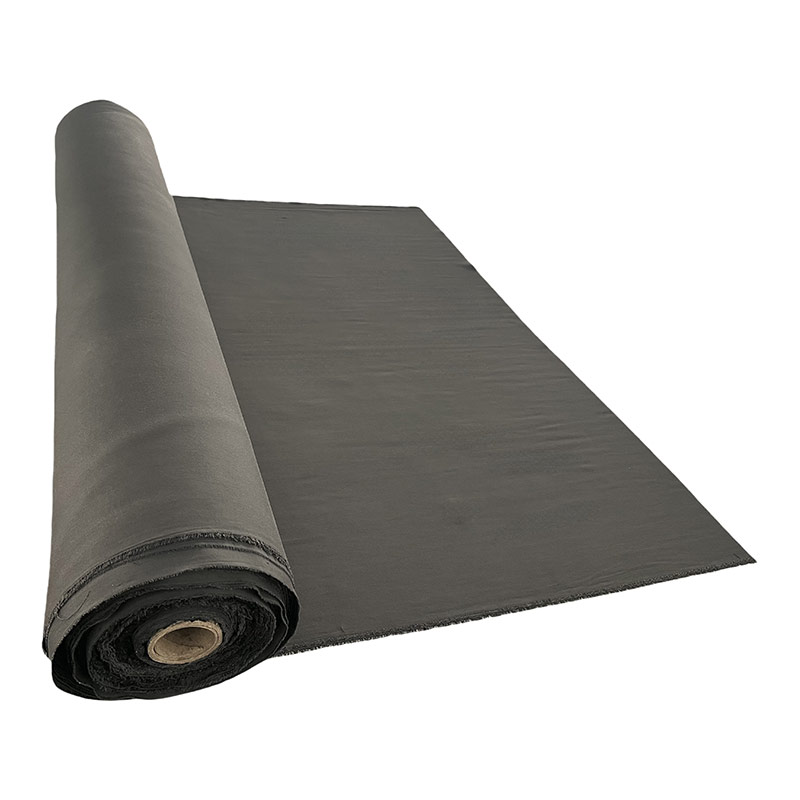
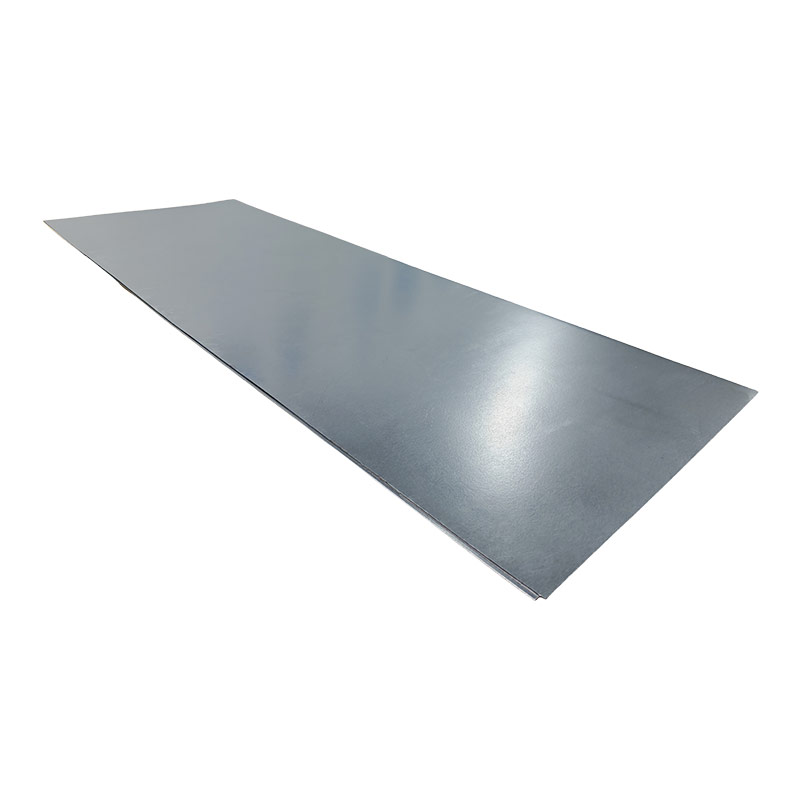
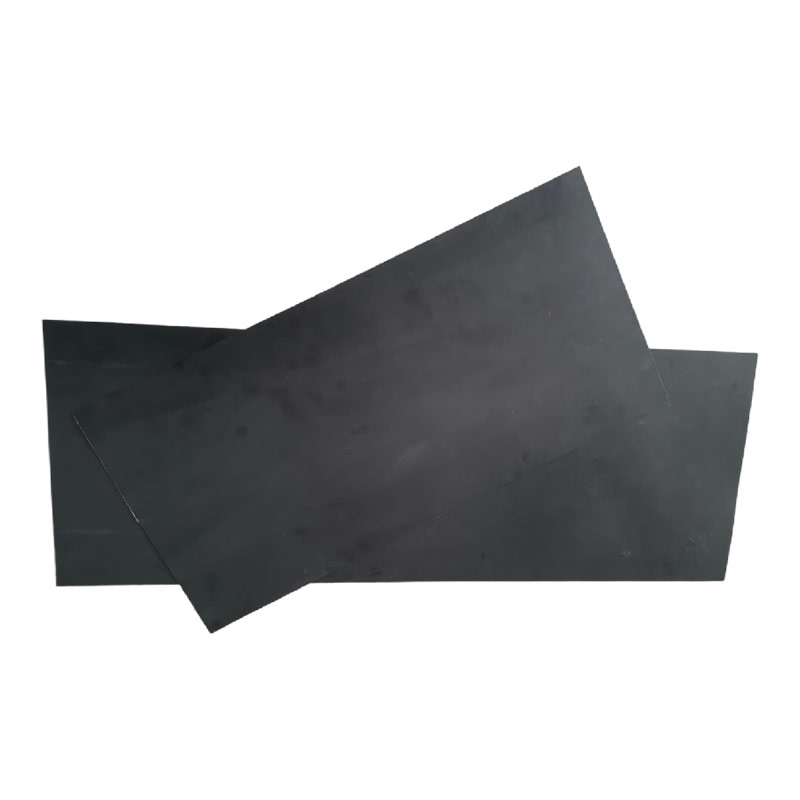
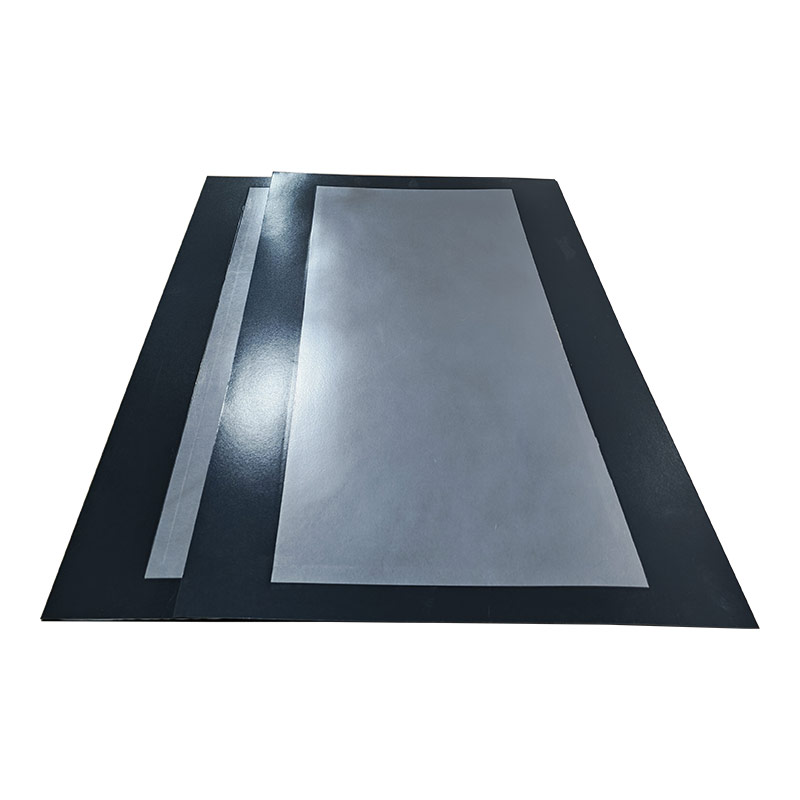
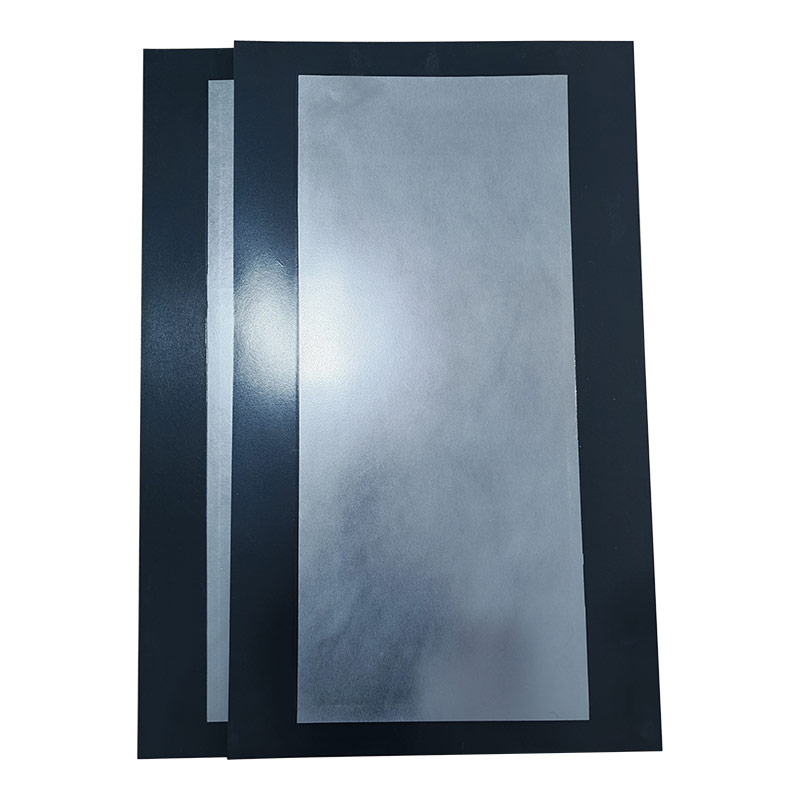
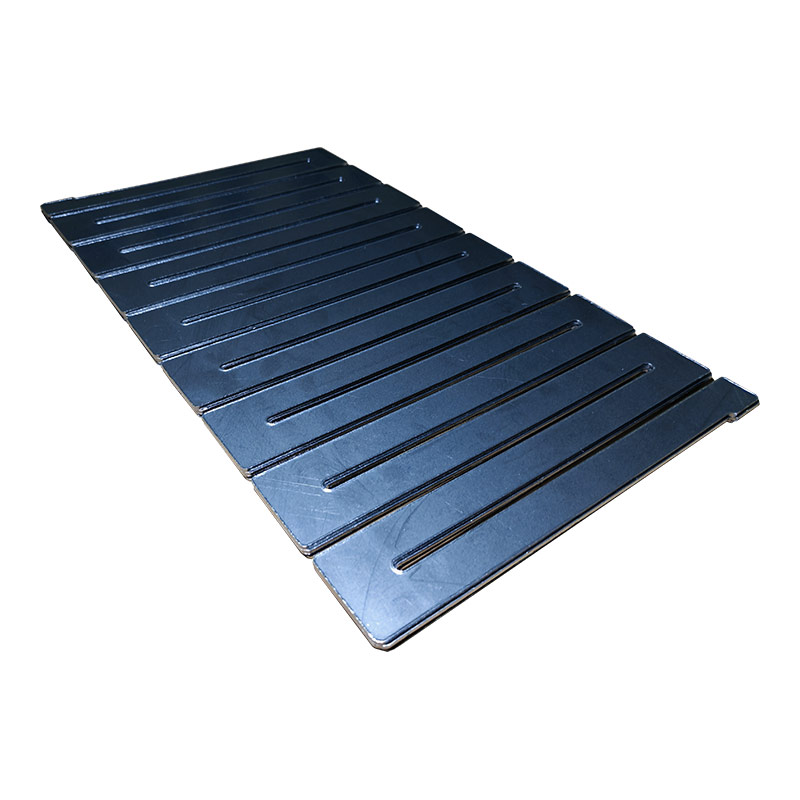
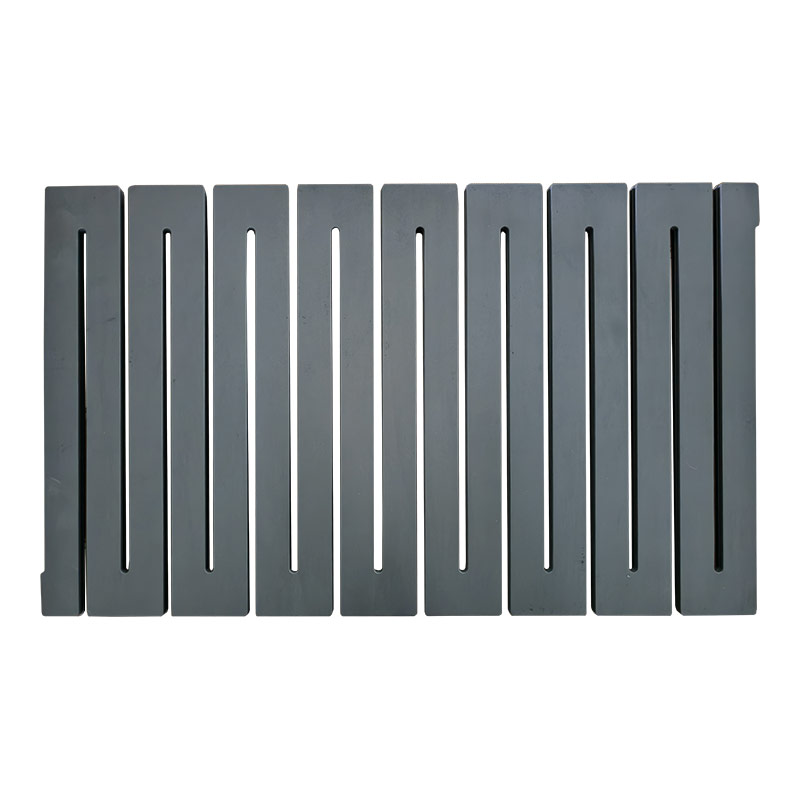
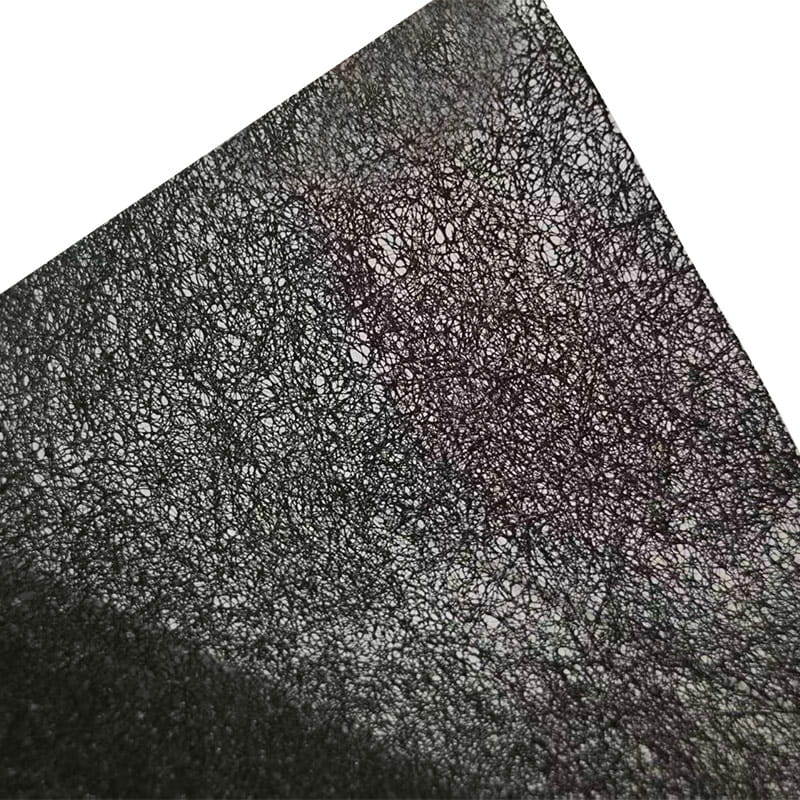




How do surface treatments change Flow Battery Electrode Materials properties?
Introduction to surface treatments in flow battery electrode systems
Surface treatments play a critical role in determining how flow battery electrode materials perform in practical energy storage systems. In a flow battery, electrochemical reactions occur at the interface between the electrolyte and the electrode surface. For this reason, the surface state of electrode materials often has a greater influence on performance than bulk composition alone. Treatments such as oxidation, activation, coating, and surface functionalization are widely used to tailor surface chemistry, surface energy, and microstructure. These changes directly affect wettability, reaction kinetics, stability, and long-term reliability.
In addition to electrodes, surface treatments are also relevant to related components such as bipolar plates and flow battery bipolar plates, where surface conductivity, corrosion resistance, and interfacial contact behavior are critical to stack-level efficiency. When surface engineering is properly implemented, both electrodes and current collection components can achieve more stable and predictable performance under varying operating conditions.
For manufacturers and system integrators, understanding how surface treatments modify electrode conductivity materials and electrode composite materials is essential for optimizing system-level outcomes. Companies specializing in advanced carbon-based solutions, such as Jiaxing Naco New Material Co., Ltd. / Bohe New Material Co., Ltd. (Jiaxing/Nanchang), focus on surface and process optimization as part of their broader strategy to deliver application-oriented materials for flow batteries and other electrochemical systems. This integrated approach highlights how surface treatment is not an isolated step, but part of a complete materials and process design philosophy.
Key surface treatment methods applied to flow battery electrodes
A wide range of surface treatment methods are used to modify flow battery electrode materials, each targeting specific performance parameters. These treatments can be broadly categorized into physical, chemical, and hybrid approaches. The choice of method depends on electrode type, electrolyte chemistry, and system design priorities.
Common surface treatment approaches include the following:
- Thermal activation to modify surface functional groups and microstructure.
- Chemical oxidation to introduce oxygen-containing groups that enhance wettability.
- Plasma or gas-phase treatments to tailor surface energy without changing bulk properties.
- Thin-film coatings to improve corrosion resistance and surface conductivity.
- Mechanical texturing to increase effective surface area and improve electrolyte contact.
Each method changes the way electrode materials interact with electrolytes and current collectors. For example, oxidation treatments can increase surface polarity, which improves electrolyte penetration in porous structures. This is particularly relevant for carbon-based flow battery electrode materials, where surface chemistry strongly influences reaction uniformity.
Surface treatments are also applied to flow battery bipolar plates to improve interfacial contact and reduce contact resistance. In these cases, coatings and surface polishing are often used to balance conductivity with long-term chemical stability. By carefully selecting treatment parameters, manufacturers can align surface properties with system requirements without introducing unnecessary complexity.
Impact of surface chemistry on electrochemical performance
Surface chemistry is one of the most important determinants of how electrode materials perform in a flow battery environment. Functional groups on the surface influence adsorption behavior, electron transfer pathways, and electrolyte wetting. Even when bulk composition remains unchanged, surface modification can significantly alter reaction rates and energy efficiency.
For flow battery electrode materials, surface treatments that introduce oxygen-containing functional groups often improve wettability and promote more uniform electrolyte distribution within porous electrodes. This leads to better utilization of active surface area and more consistent reaction behavior across the electrode thickness. As a result, the system can achieve improved operational stability and reduced performance variability.
In contrast, excessive surface oxidation may negatively affect electrical pathways in electrode conductivity materials, increasing interfacial resistance. Therefore, surface chemistry must be carefully balanced to avoid trade-offs between chemical activity and electrical performance. This balance is particularly important in electrode composite materials, where multiple phases may respond differently to the same treatment process.
From a development perspective, Jiaxing Naco New Material Co., Ltd. / Bohe New Material Co., Ltd. (Jiaxing/Nanchang) emphasizes controlled surface chemistry as part of its R and D strategy. By aligning surface functionalization with specific electrochemical environments, the company supports optimized performance across applications such as flow batteries and other electrolytic systems, while maintaining strict process control.
Microstructure and surface morphology changes after treatment
Surface treatments not only change chemistry, but also influence microstructure and surface morphology. Parameters such as roughness, pore opening, and surface texture are critical for mass transfer and effective electrolyte contact. For porous flow battery electrode materials, surface treatments can open blocked pores, remove surface contaminants, and increase accessible surface area.
Mechanical and thermal treatments may increase surface roughness, which can enhance electrolyte contact and improve apparent reaction area. However, excessive roughening may lead to uneven flow distribution or localized stress concentrations. Therefore, microstructural control is essential for maintaining long-term stability.
In bipolar plates and flow battery bipolar plates, surface morphology affects contact behavior between adjacent components. Smoother surfaces may reduce contact resistance, while textured surfaces can improve mechanical stability and reduce slippage. These trade-offs must be evaluated in the context of full stack design rather than individual component optimization.
By integrating microstructural analysis into product development, companies can better align surface-treated electrode materials with real operating conditions. Jiaxing Naco New Material Co., Ltd. / Bohe New Material Co., Ltd. (Jiaxing/Nanchang) leverages laboratory-scale characterization and pilot-scale production to ensure that surface morphology remains consistent across production batches, supporting predictable system performance.
Surface treatments for durability and chemical stability
Durability is a major concern for buyers evaluating flow battery electrode materials. Surface treatments can significantly influence resistance to chemical attack, oxidation, and long-term degradation. In aggressive electrolyte environments, untreated surfaces may suffer from gradual property changes that reduce efficiency and shorten service life.
Protective coatings and surface passivation treatments are commonly used to improve chemical stability. These treatments can reduce direct exposure of sensitive surface sites to corrosive species while maintaining sufficient conductivity. In electrode composite materials, surface treatments may also improve bonding between different phases, reducing mechanical degradation under cycling conditions.
For electrode conductivity materials, maintaining stable electrical pathways over time is essential. Surface treatments that minimize corrosion-related surface changes help preserve consistent electrical performance. Similarly, treated flow battery bipolar plates can maintain stable contact properties, supporting overall stack reliability.
From a supplier perspective, durability-focused surface engineering aligns with long-term system value. Jiaxing Naco New Material Co., Ltd. / Bohe New Material Co., Ltd. (Jiaxing/Nanchang) integrates durability testing and surface optimization as part of its development workflow, supporting customers who require long operational lifetimes in industrial flow battery and electrolytic applications.
Influence on system integration and stack-level behavior
Surface-treated flow battery electrode materials do not operate in isolation. Their properties directly affect stack assembly, system integration, and maintenance strategies. For example, improved wettability can reduce startup time and improve initial conditioning behavior. Enhanced surface stability can reduce maintenance frequency and support longer service intervals.
At the stack level, interactions between electrodes and bipolar plates are strongly influenced by surface conditions. Treated flow battery bipolar plates with optimized surface properties can improve current distribution and reduce localized heating. These effects contribute to more uniform stack performance and reduced operational risk.
System designers also consider how surface treatments affect compatibility with membranes, seals, and other balance-of-system components. Surface properties that minimize contamination and material transfer help protect sensitive components and support overall system cleanliness.
By coordinating surface treatment strategies with system design requirements, material suppliers can help integrators reduce risk and improve predictability. This system-oriented perspective is a key element of how Jiaxing Naco New Material Co., Ltd. / Bohe New Material Co., Ltd. (Jiaxing/Nanchang) positions its advanced electrode materials and related solutions within broader industrial energy storage and electrochemical platforms.
Comparative overview of surface treatment effects
The table below summarizes typical surface treatment categories and their general impact on flow battery electrode materials and related components.
| Surface treatment type | Main property change | Typical system-level impact |
|---|---|---|
| Chemical oxidation | Improved wettability and surface activity | More uniform electrolyte distribution |
| Thermal activation | Modified surface functional groups | Adjusted reaction behavior and stability |
| Protective coating | Enhanced corrosion resistance | Extended component lifetime |
| Plasma treatment | Tailored surface energy | Improved interface compatibility |
| Mechanical texturing | Increased surface roughness | Enhanced contact and mass transfer |
This structured comparison highlights how different surface treatments target distinct performance dimensions. For buyers and engineers, understanding these relationships supports more informed selection of electrode conductivity materials and electrode composite materials for specific flow battery configurations.
Procurement and quality considerations related to surface treatments
From a procurement perspective, surface treatments introduce additional quality and consistency considerations. Buyers evaluating flow battery electrode materials should assess not only bulk material specifications, but also the reproducibility of surface treatment processes. Variations in treatment parameters can lead to measurable differences in surface chemistry and morphology, which may affect system performance.
Key evaluation points include:
- Consistency of surface treatment across production batches.
- Traceability of treatment parameters and quality records.
- Compatibility of treated surfaces with specific electrolytes.
- Stability of surface properties during storage and transport.
- Supplier capability in process control and surface characterization.
Suppliers with integrated R and D and production capabilities are often better positioned to manage these variables. Jiaxing Naco New Material Co., Ltd. / Bohe New Material Co., Ltd. (Jiaxing/Nanchang) emphasizes process optimization and internal validation to support stable delivery of treated electrode materials for demanding industrial applications, including flow batteries and electrolytic systems.
Conclusion on the role of surface treatments in performance optimization
Surface treatments are a central factor in shaping the real-world behavior of flow battery electrode materials. By modifying surface chemistry, microstructure, and interfacial properties, these treatments directly influence electrochemical performance, durability, and system integration outcomes. The same principles also apply to related components such as bipolar plates and flow battery bipolar plates, where surface engineering supports stable current collection and long-term reliability.
For system designers, engineers, and buyers, surface treatments should be viewed as a strategic design variable rather than a secondary processing step. A well-controlled surface treatment approach can improve consistency, reduce lifecycle risk, and support more predictable system performance.
As advanced material suppliers continue to refine surface engineering methods, collaboration between material developers and system integrators becomes increasingly important. Through focused R and D, process optimization, and application-oriented development, companies such as Jiaxing Naco New Material Co., Ltd. / Bohe New Material Co., Ltd. (Jiaxing/Nanchang) contribute to the ongoing improvement of electrode materials and related solutions for industrial flow battery and electrochemical energy storage technologies.



